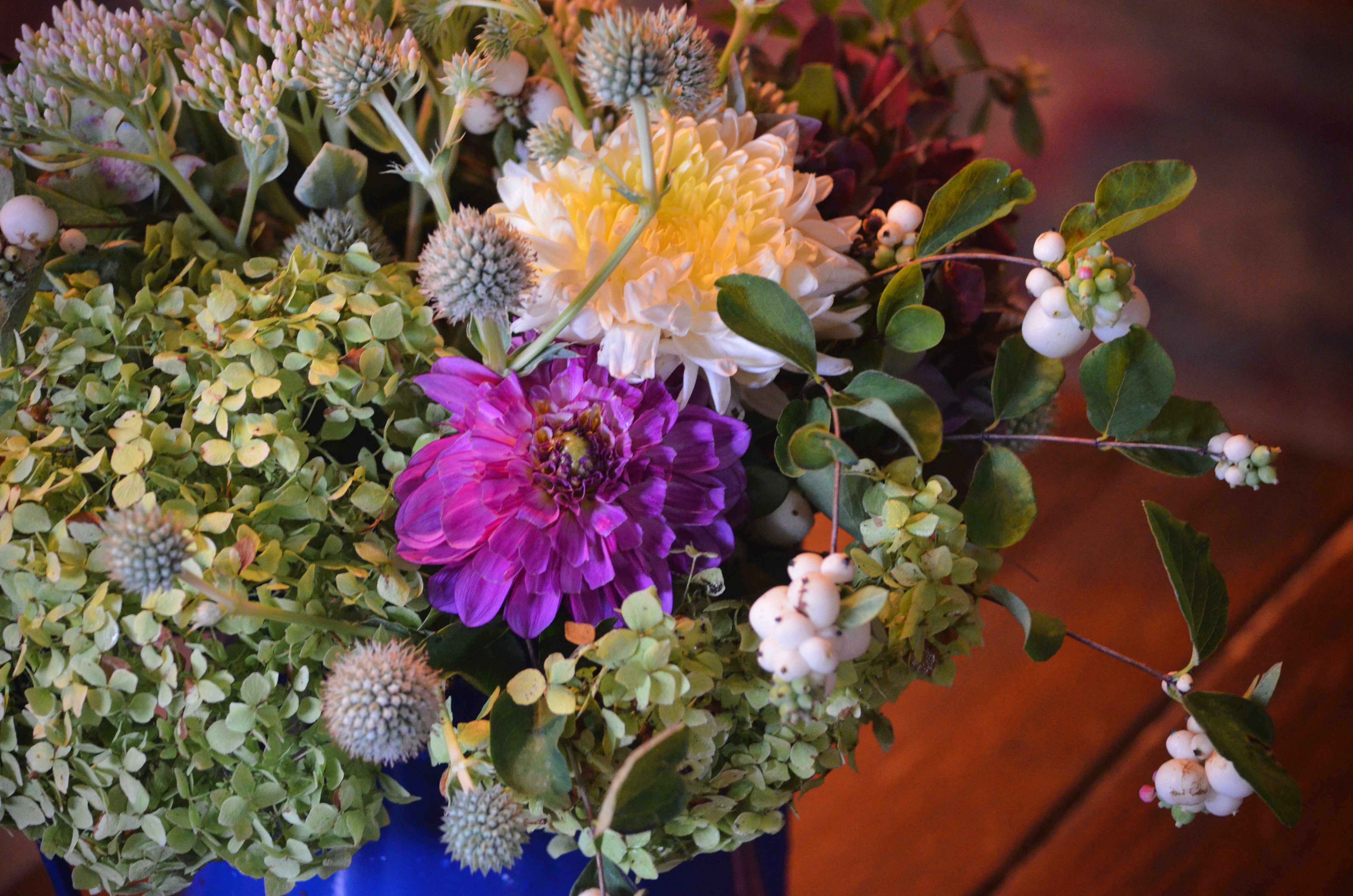
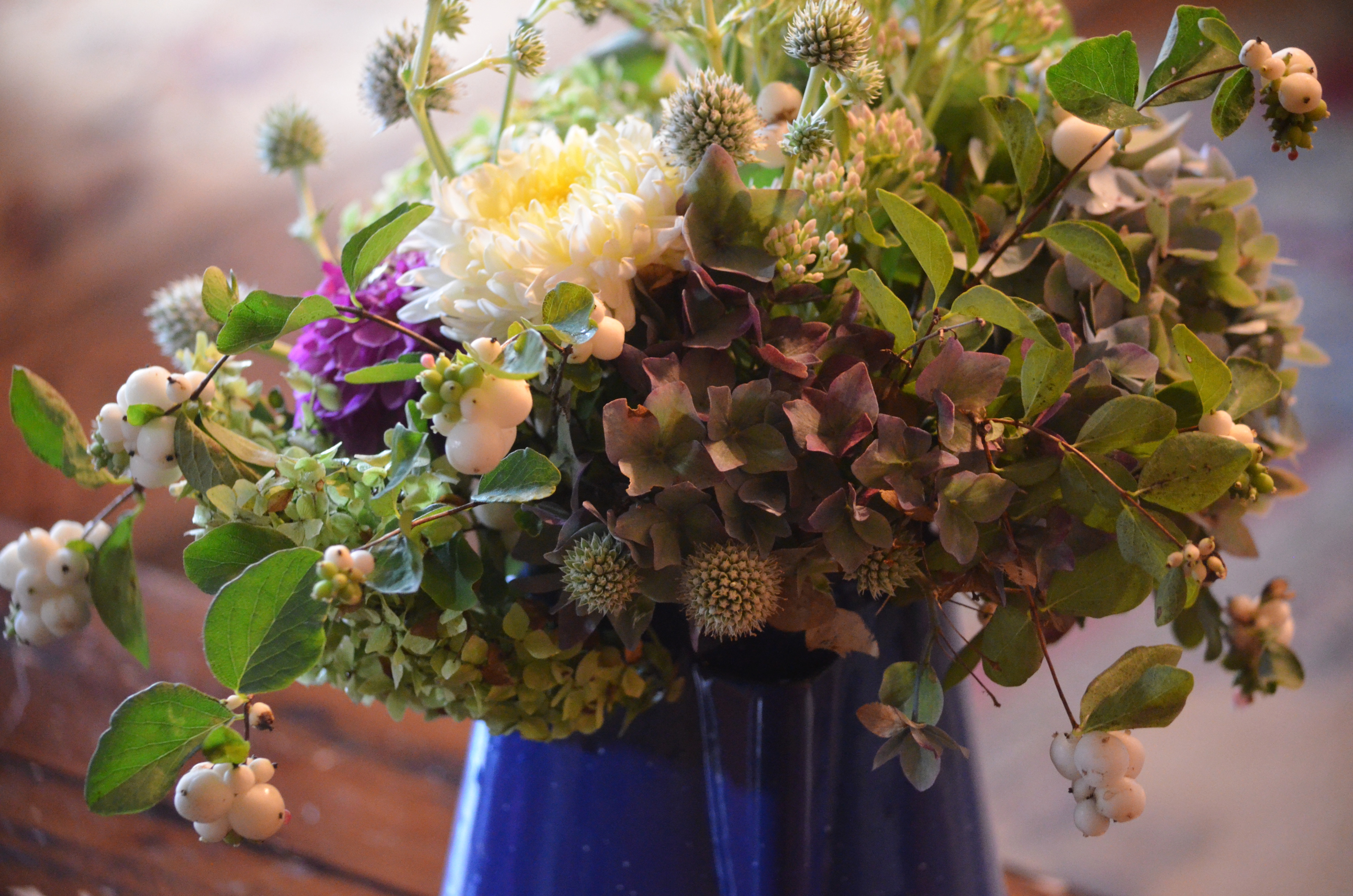
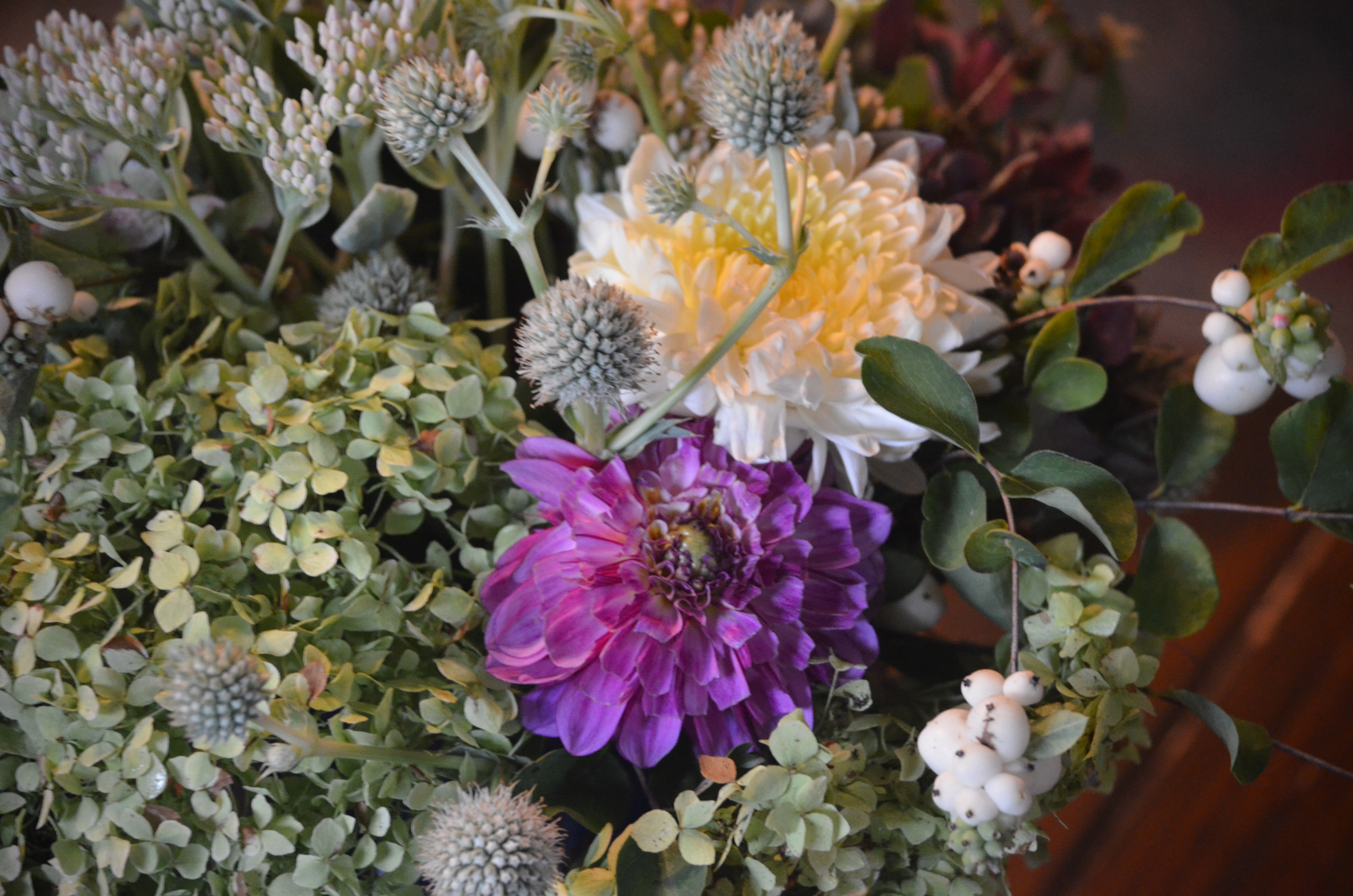
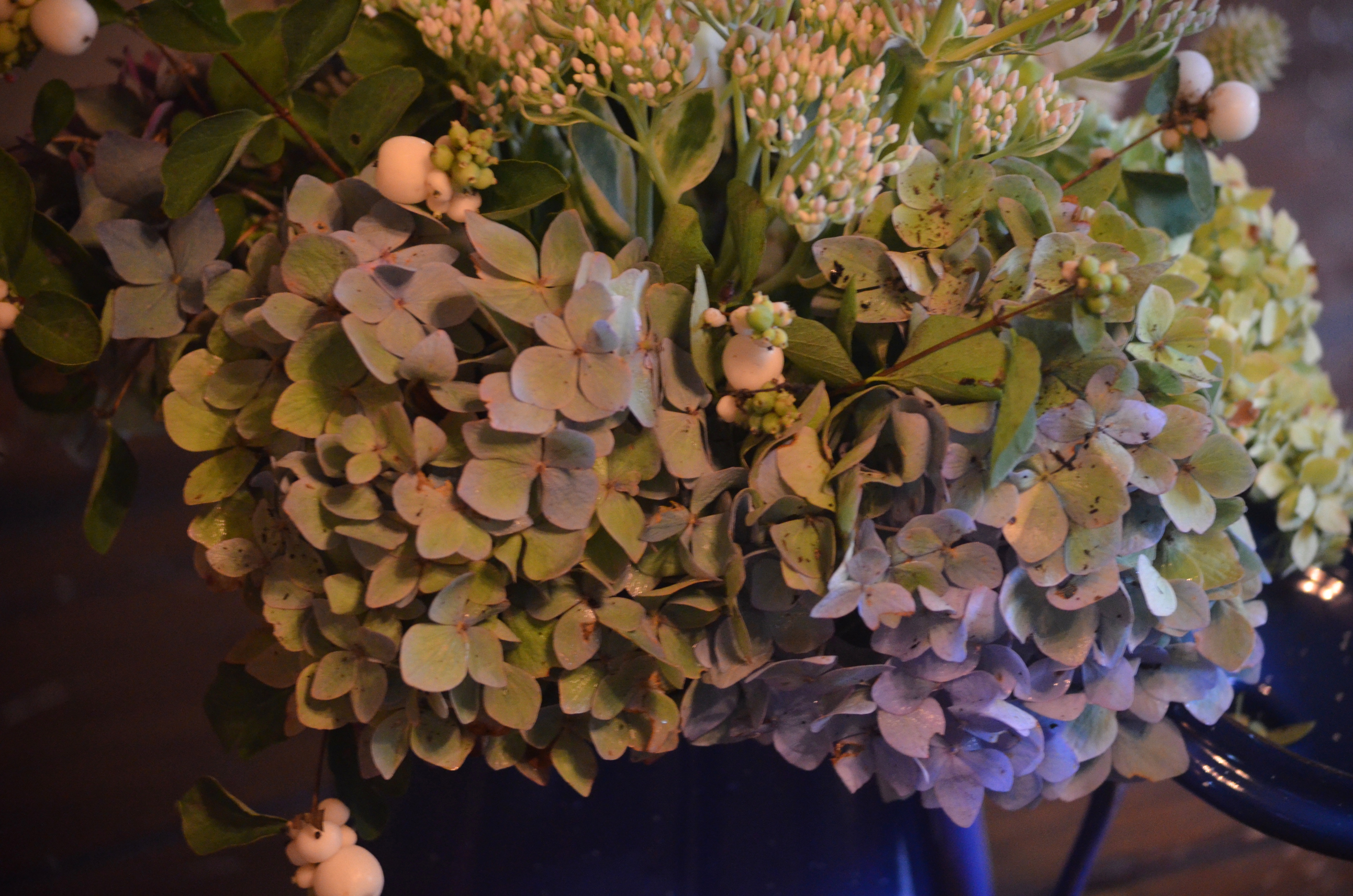
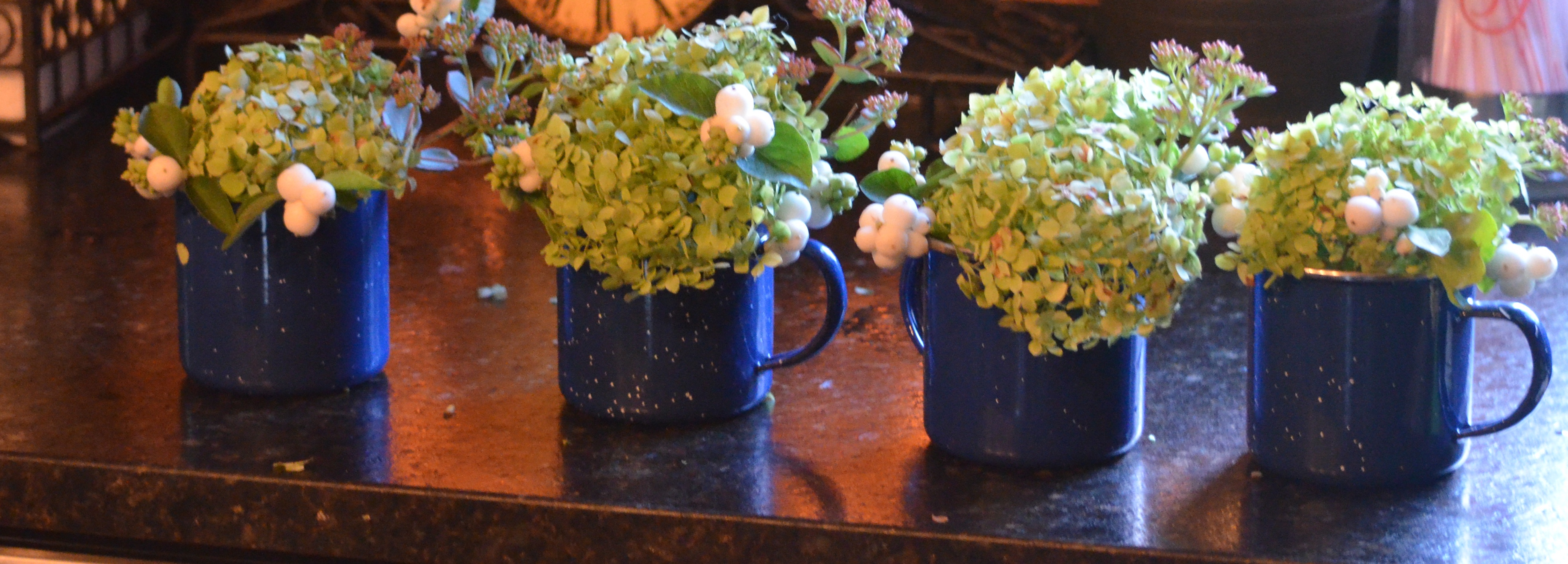
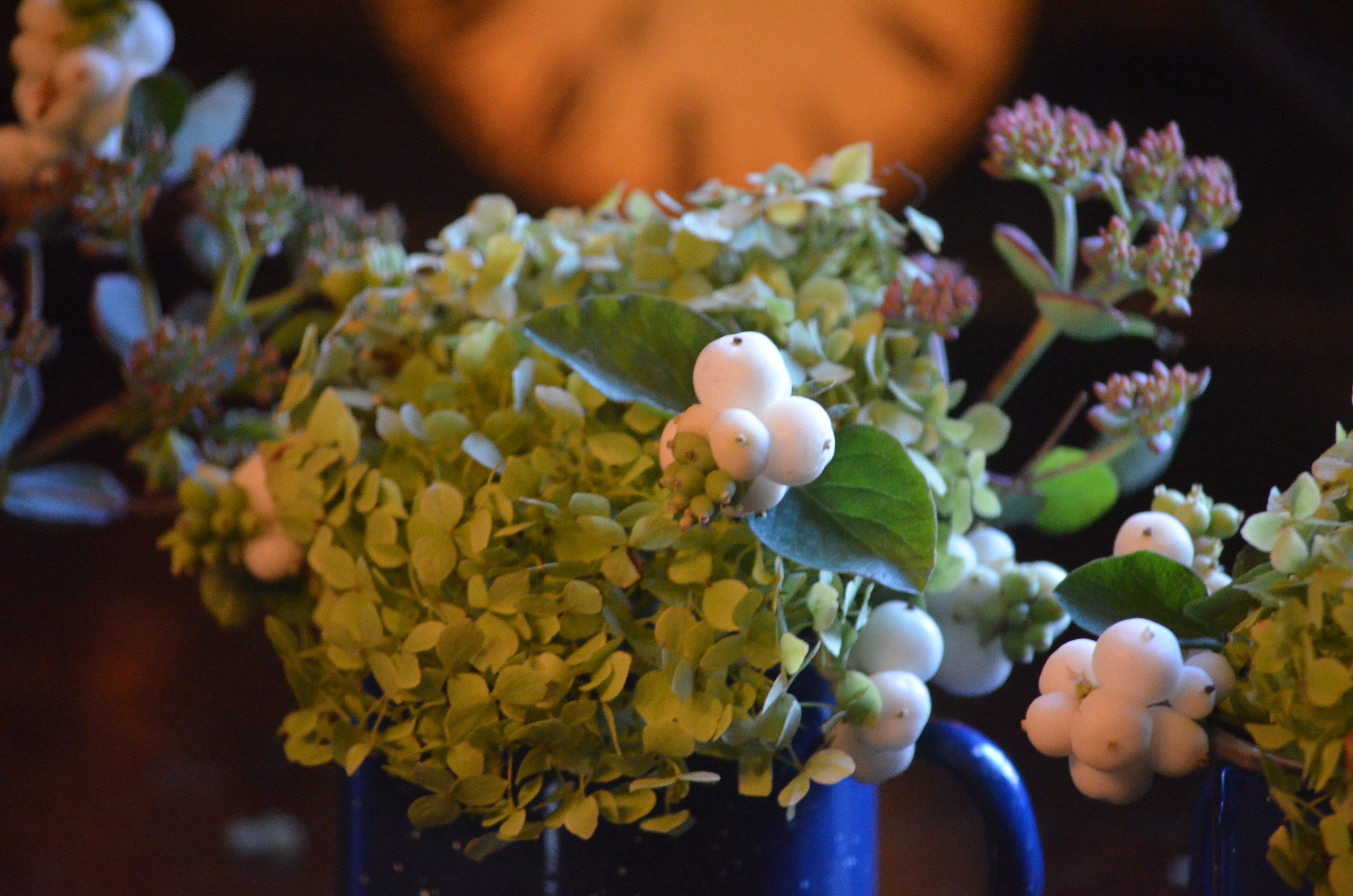
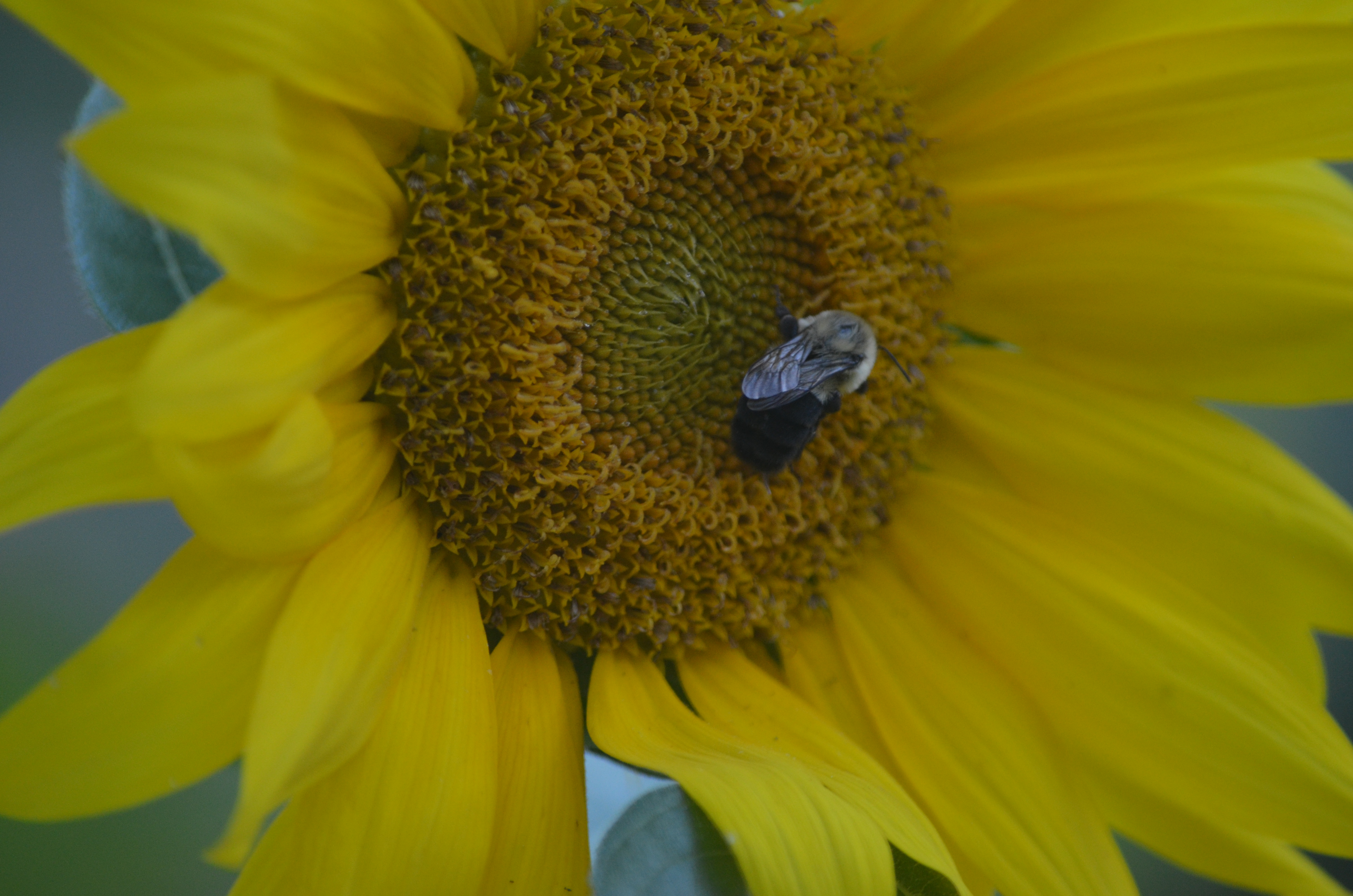
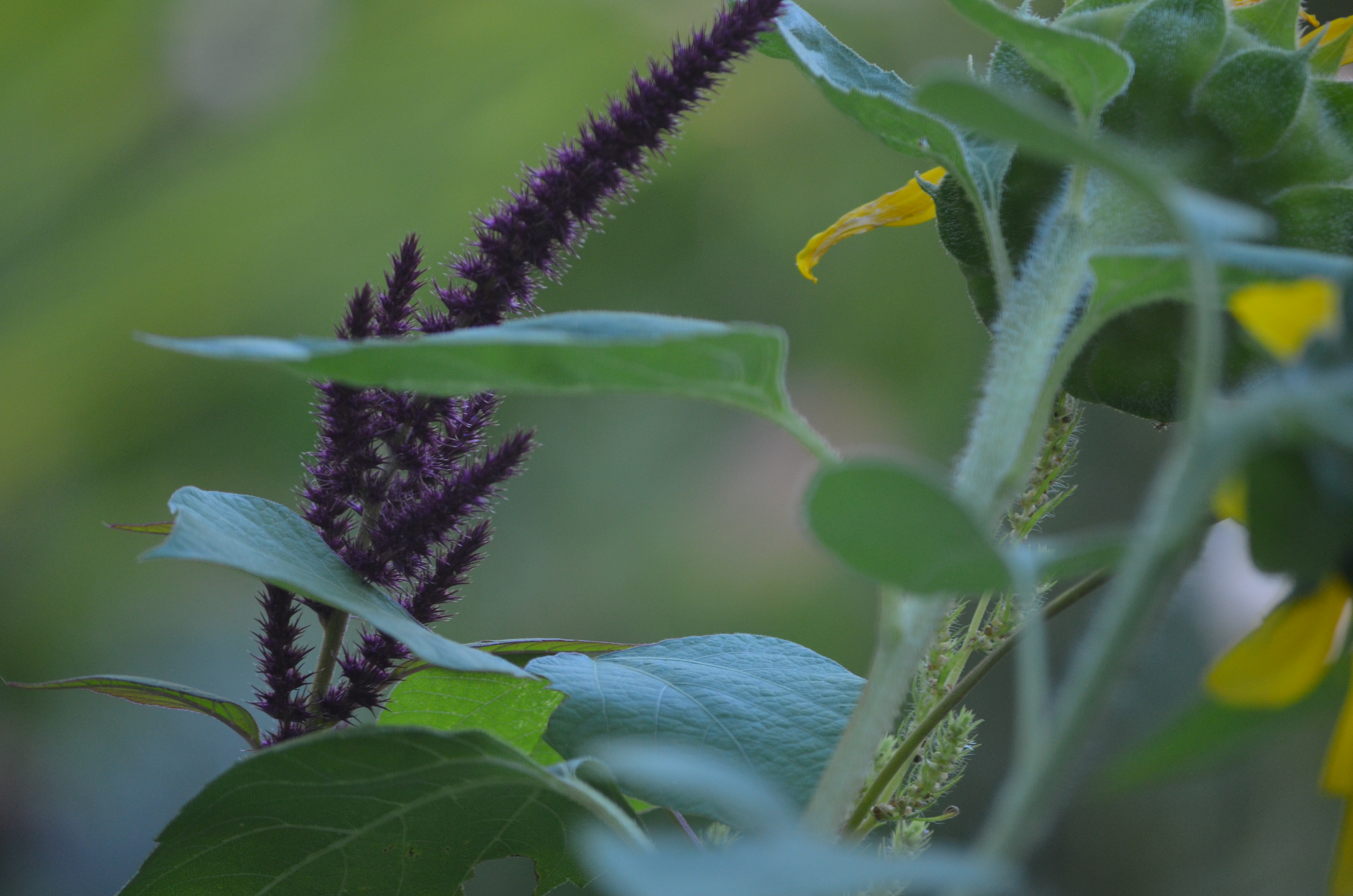
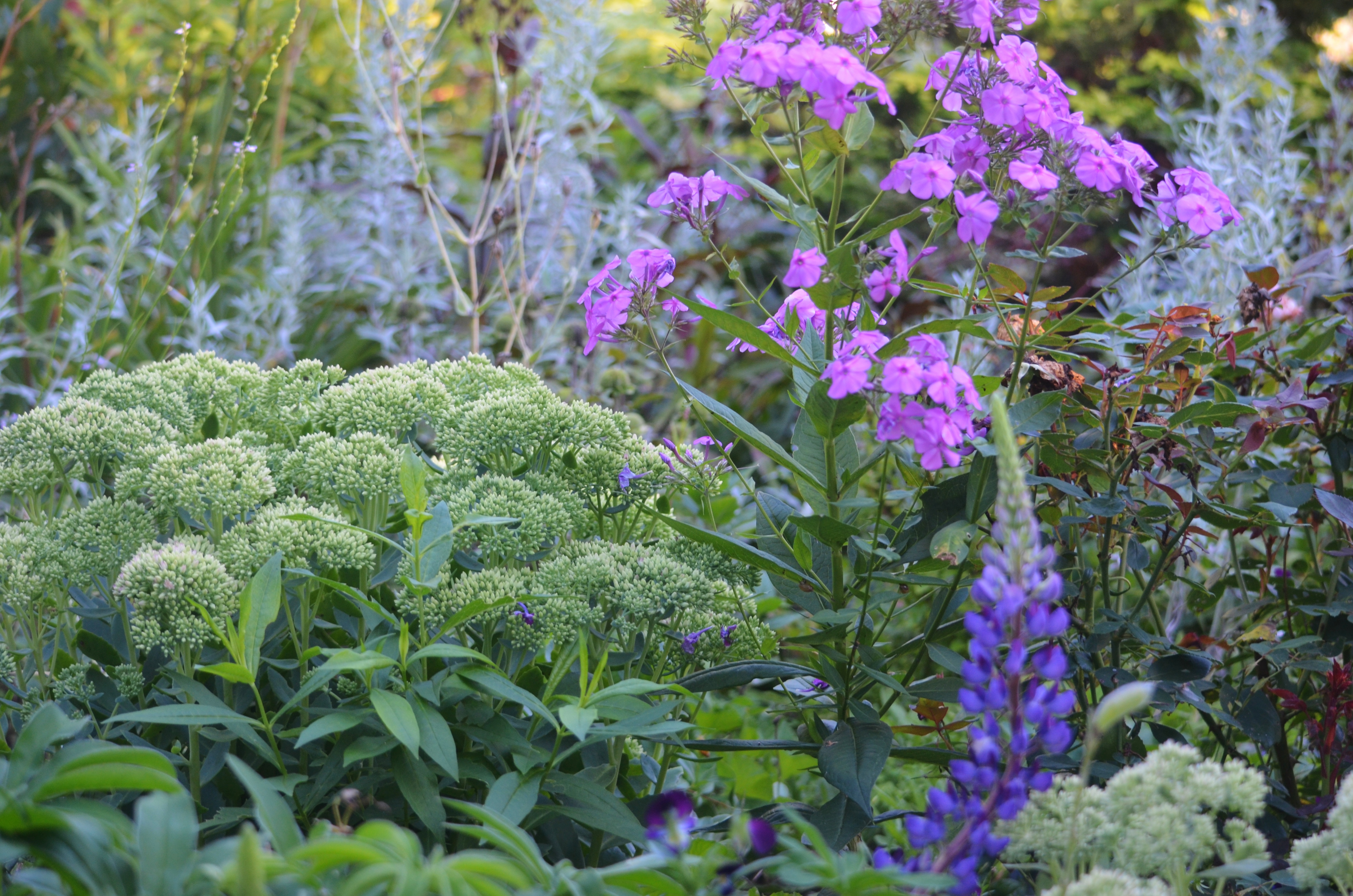
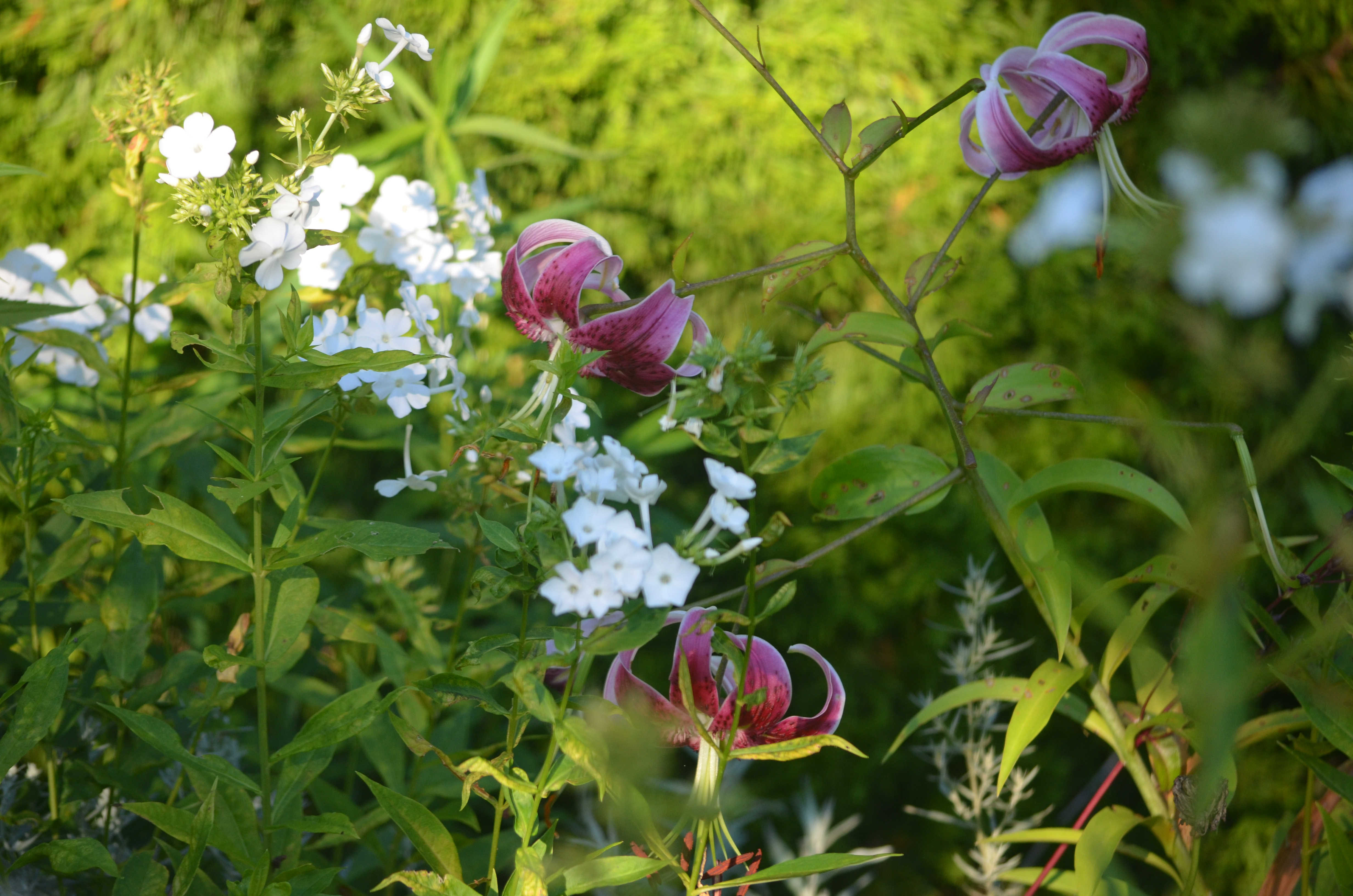
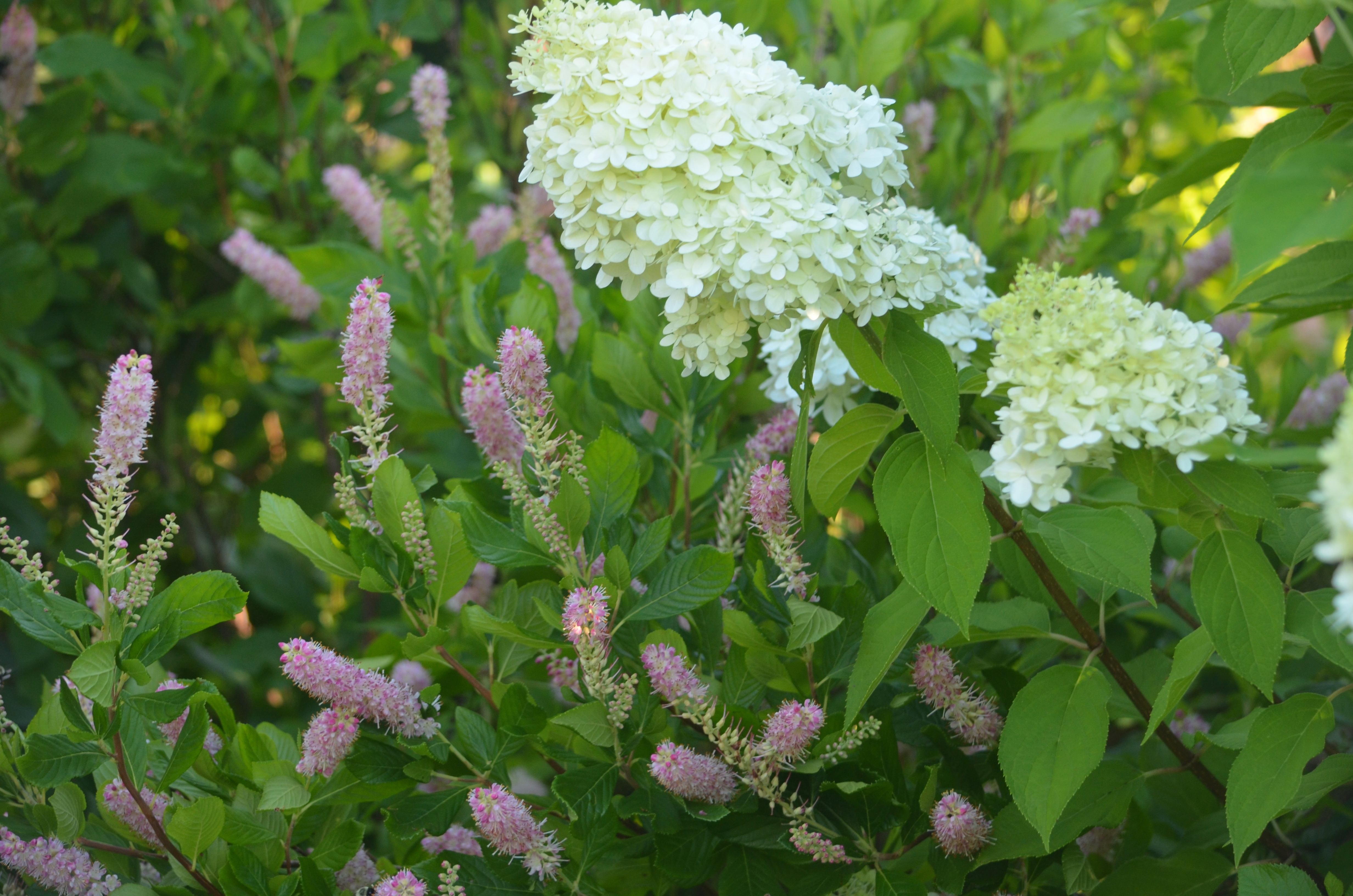
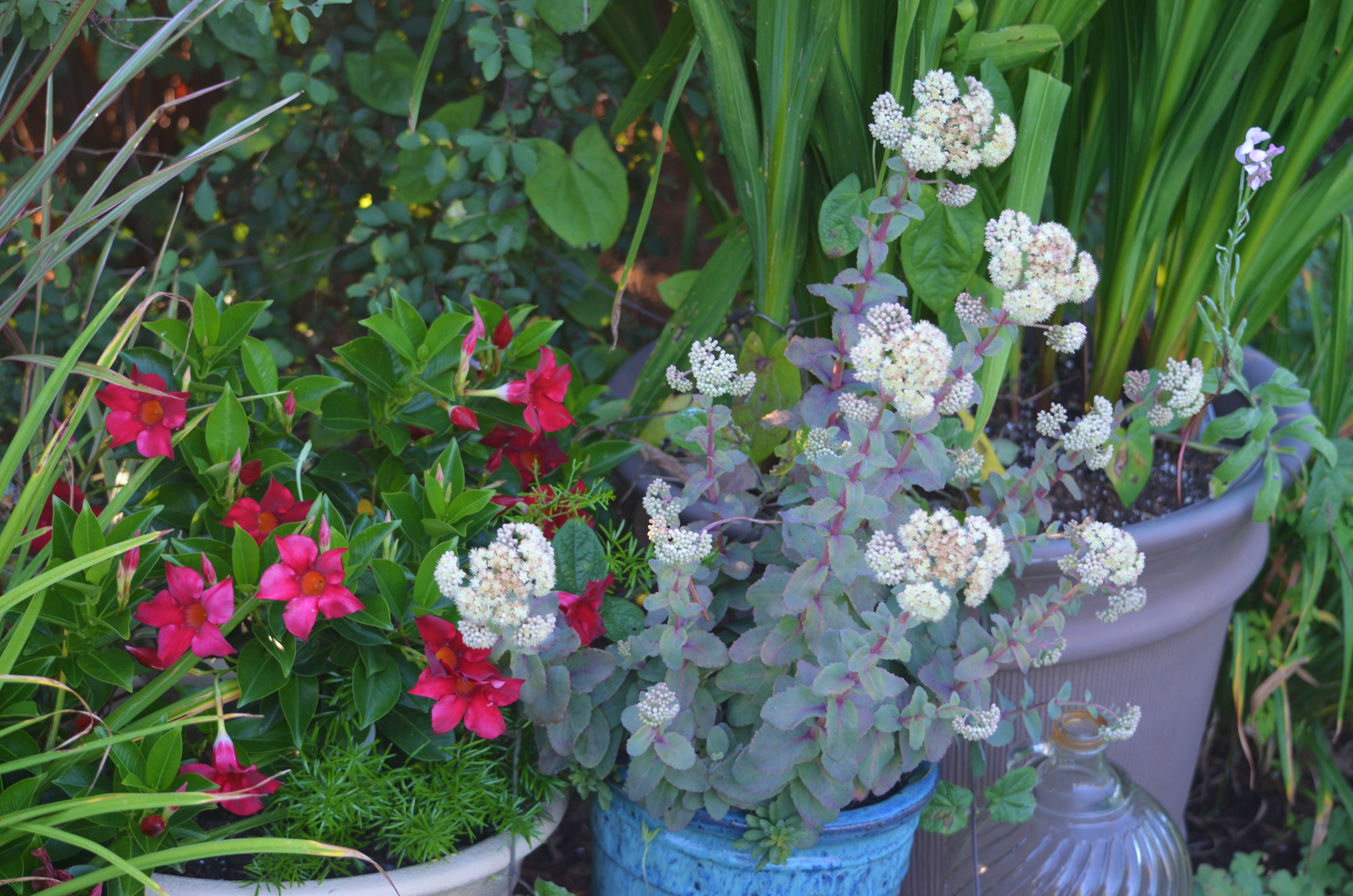
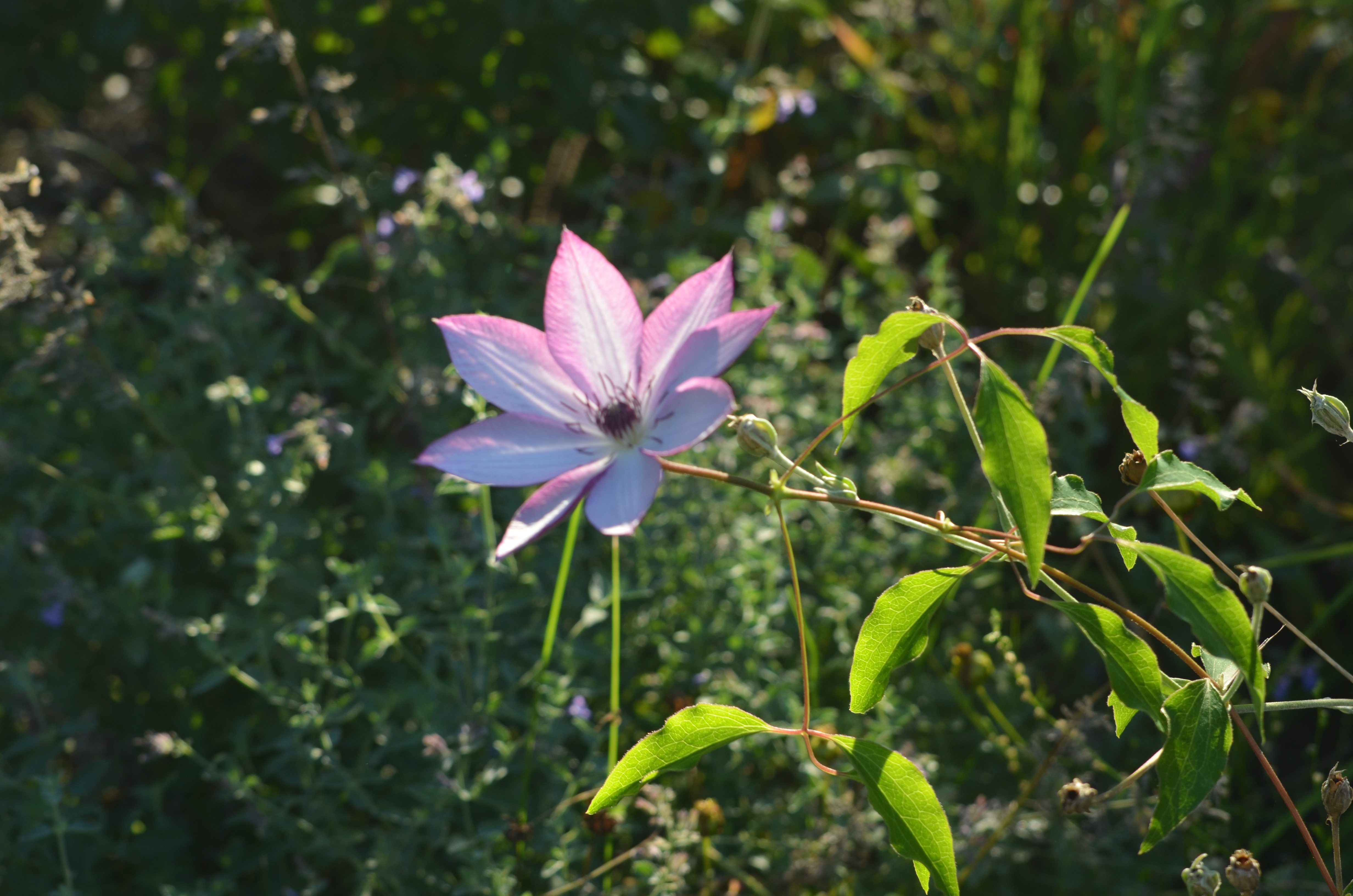
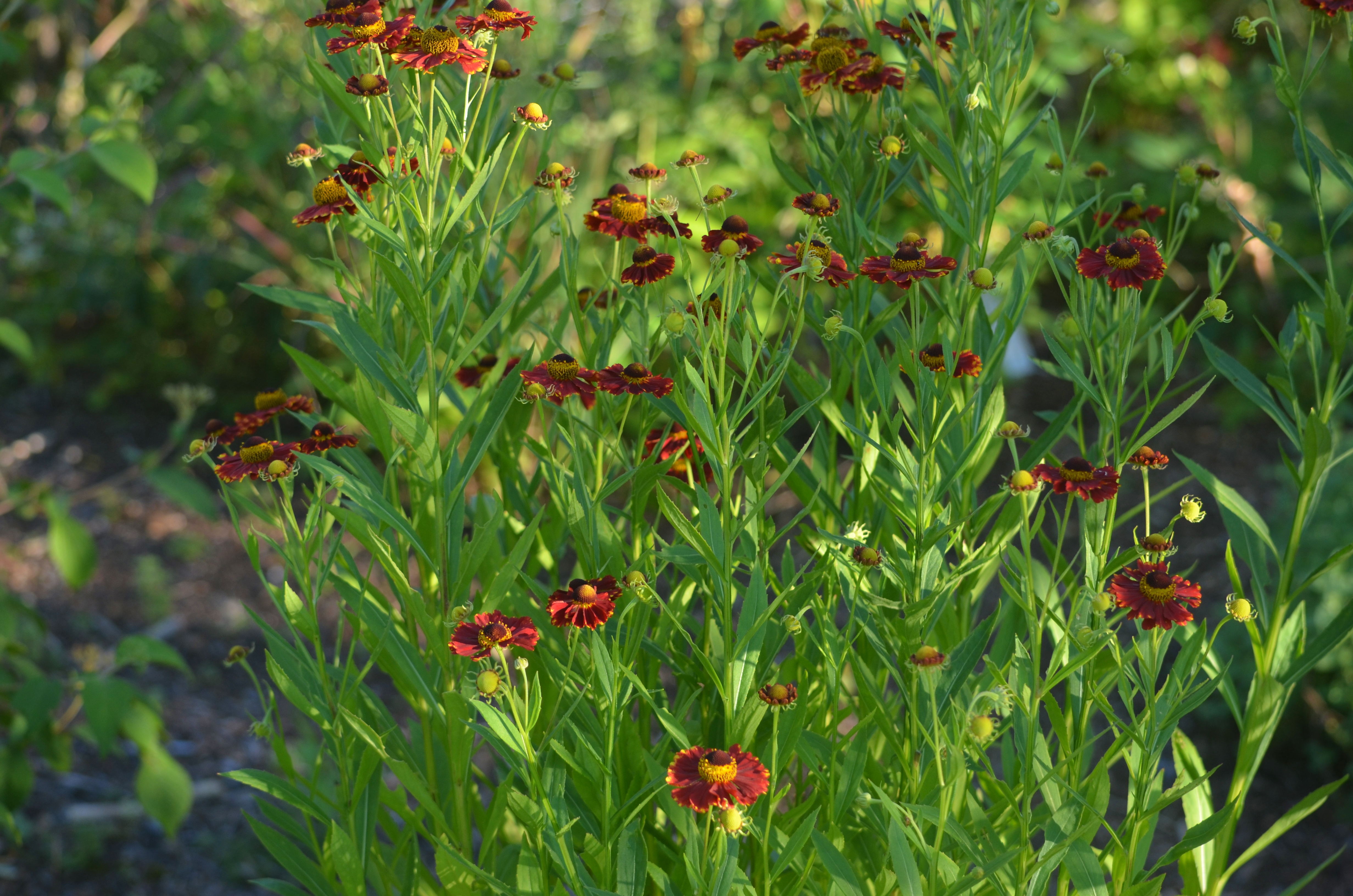
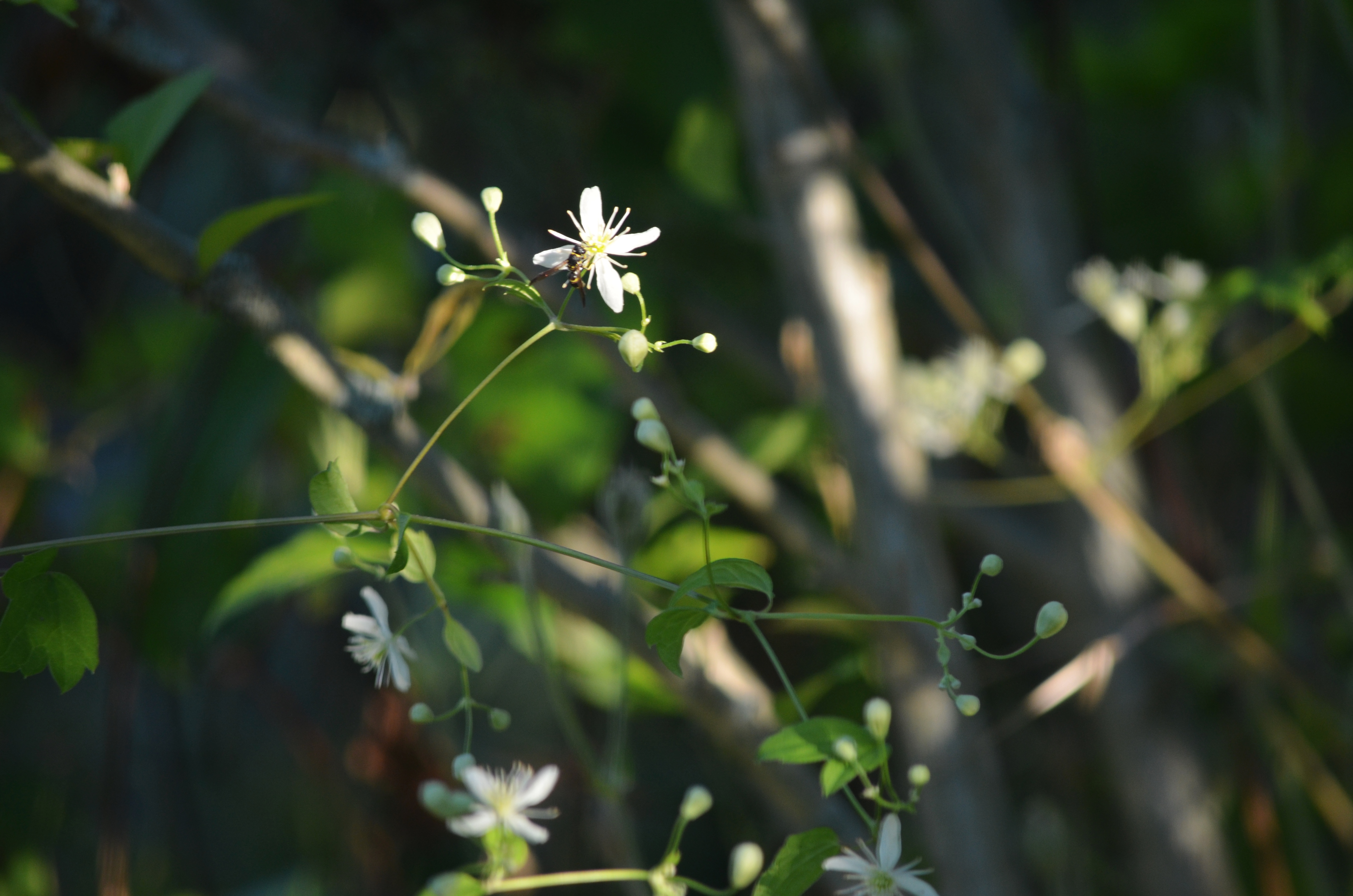
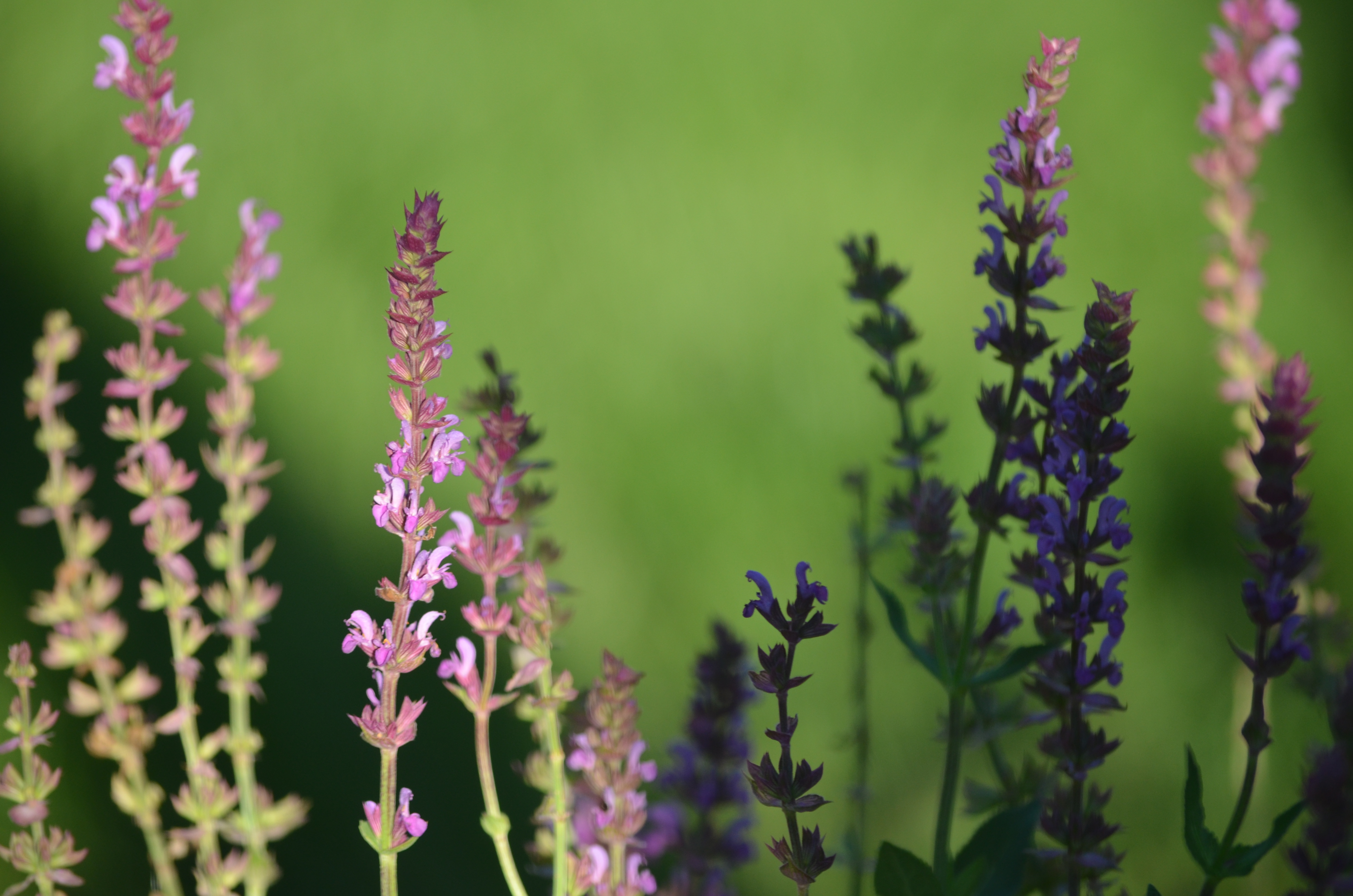
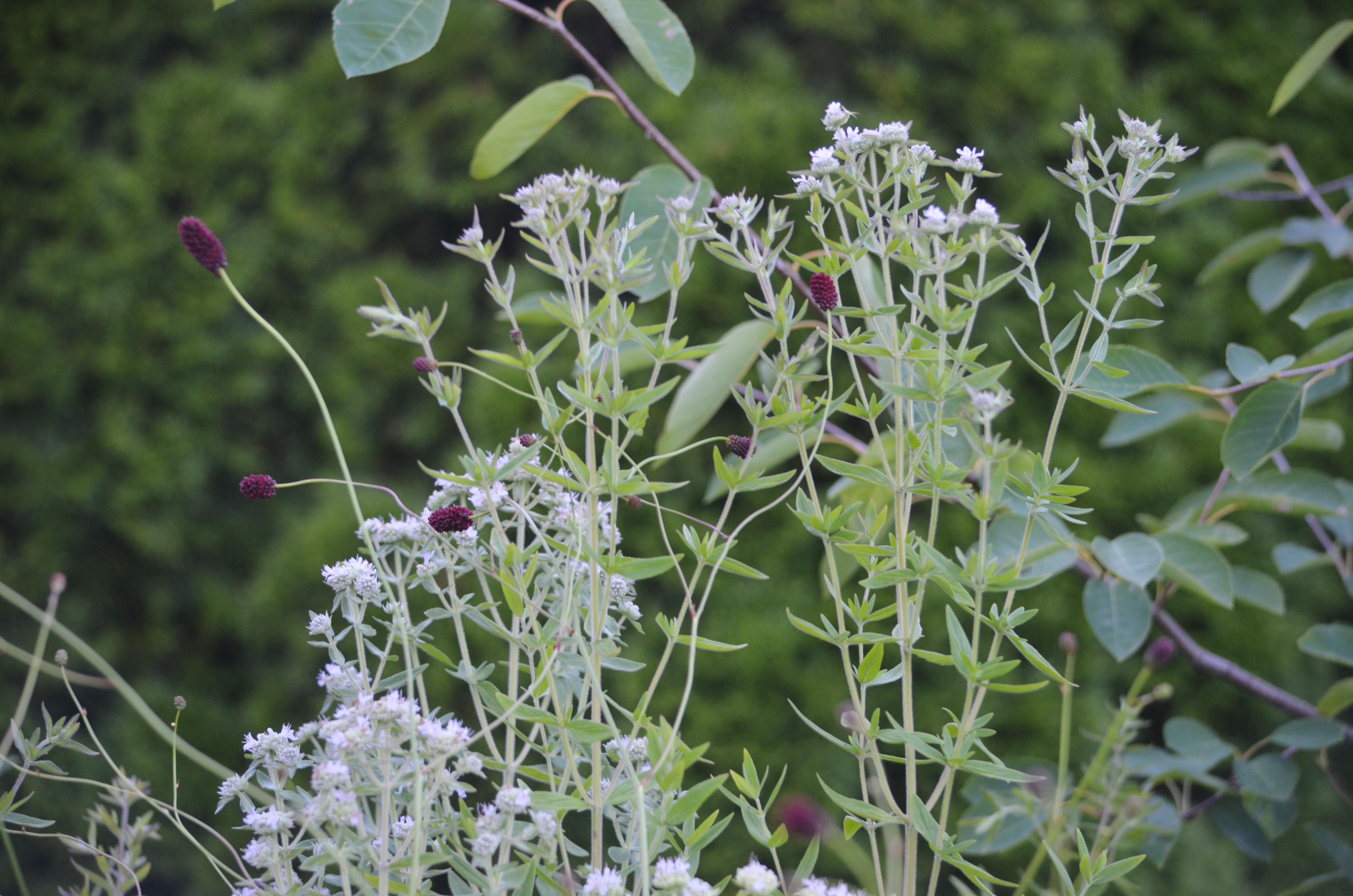
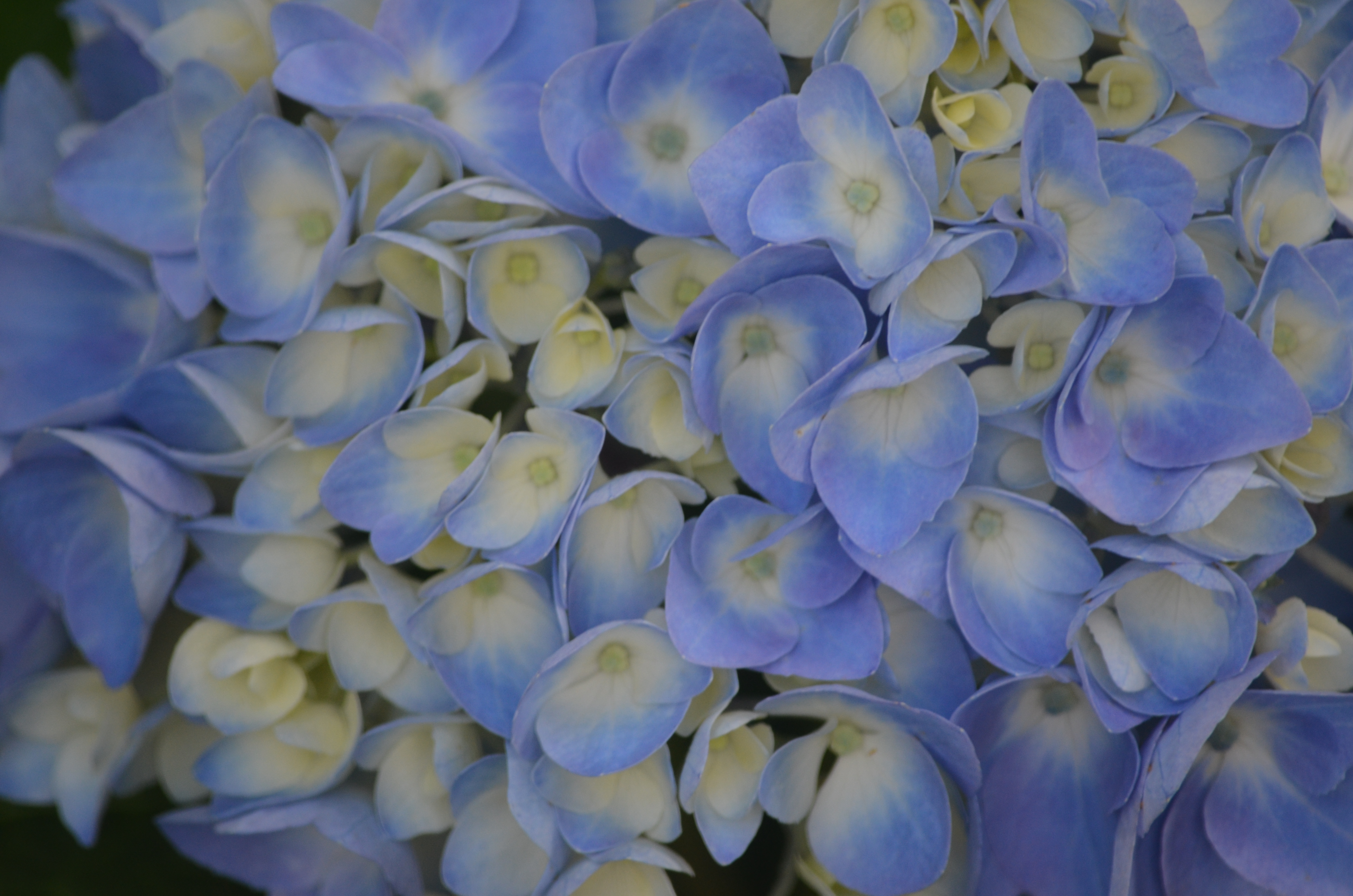
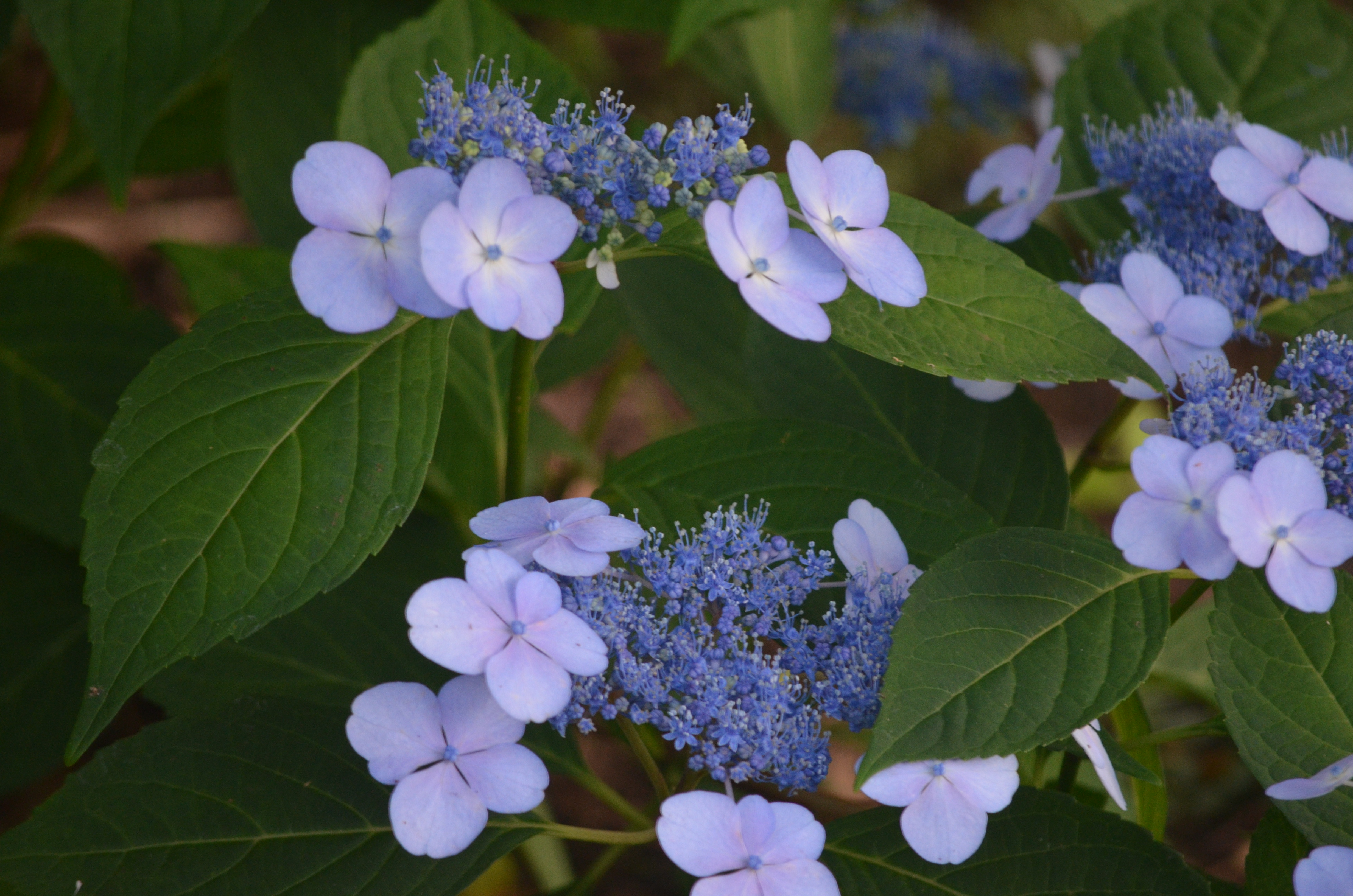
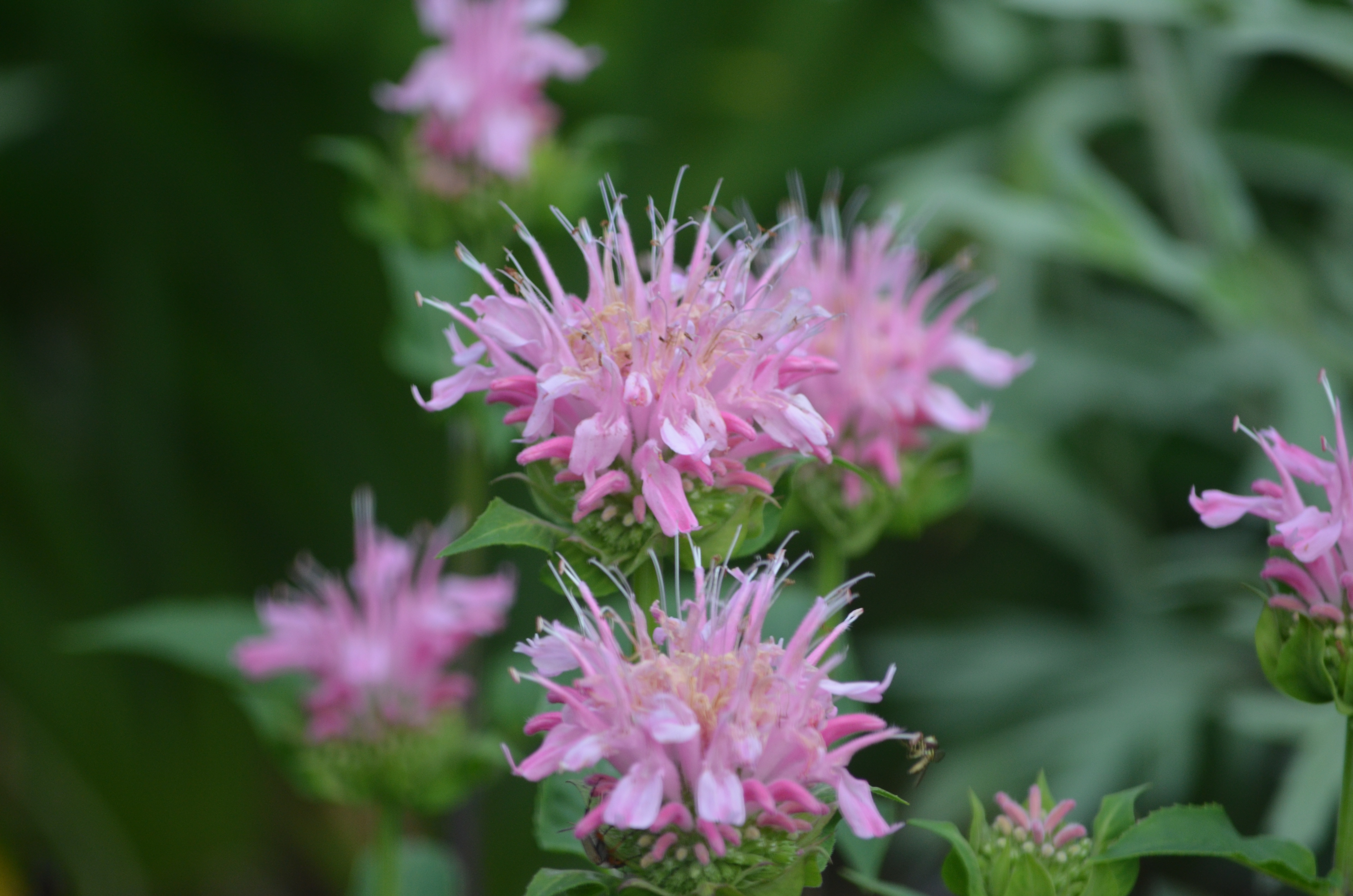
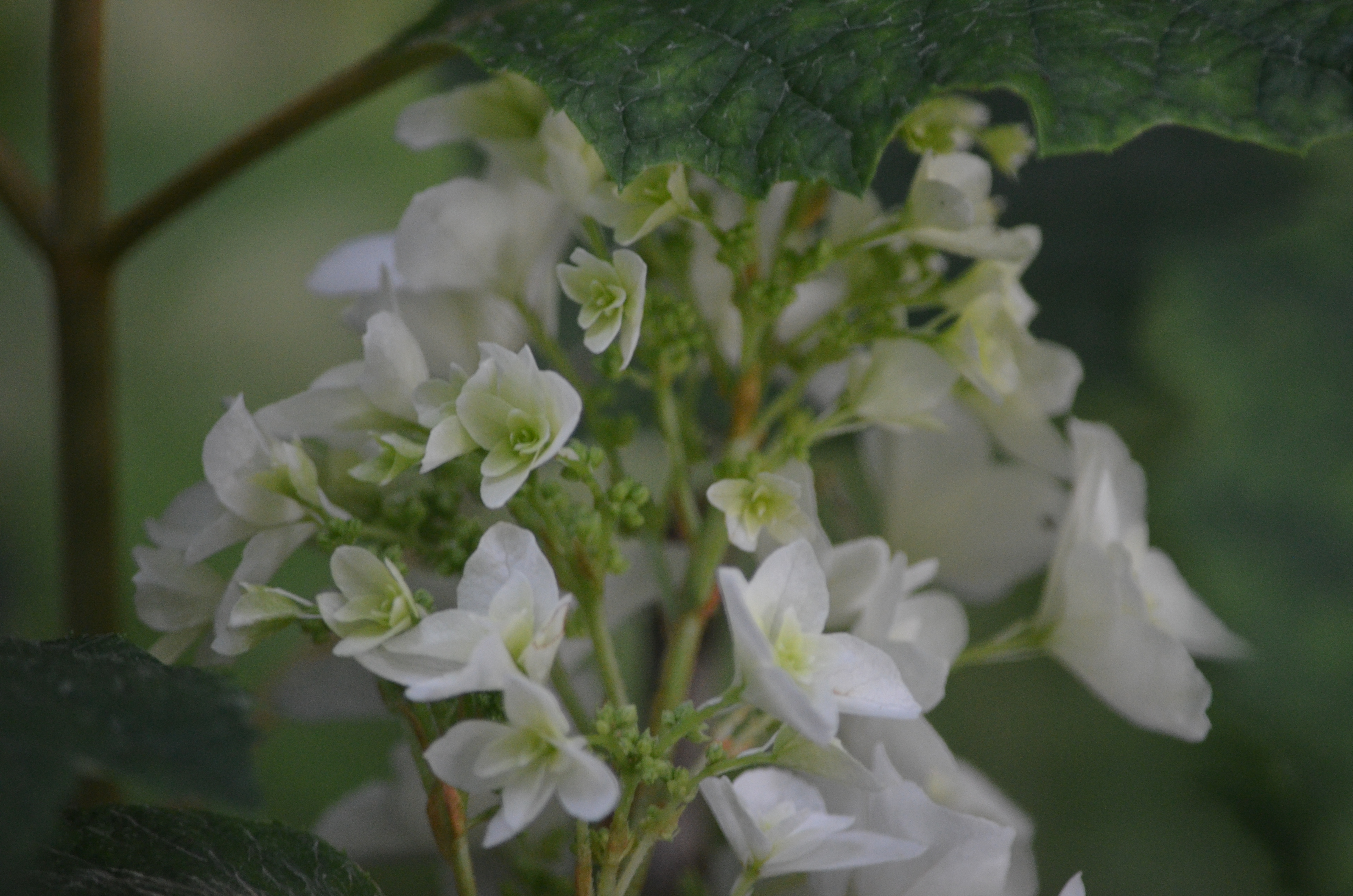
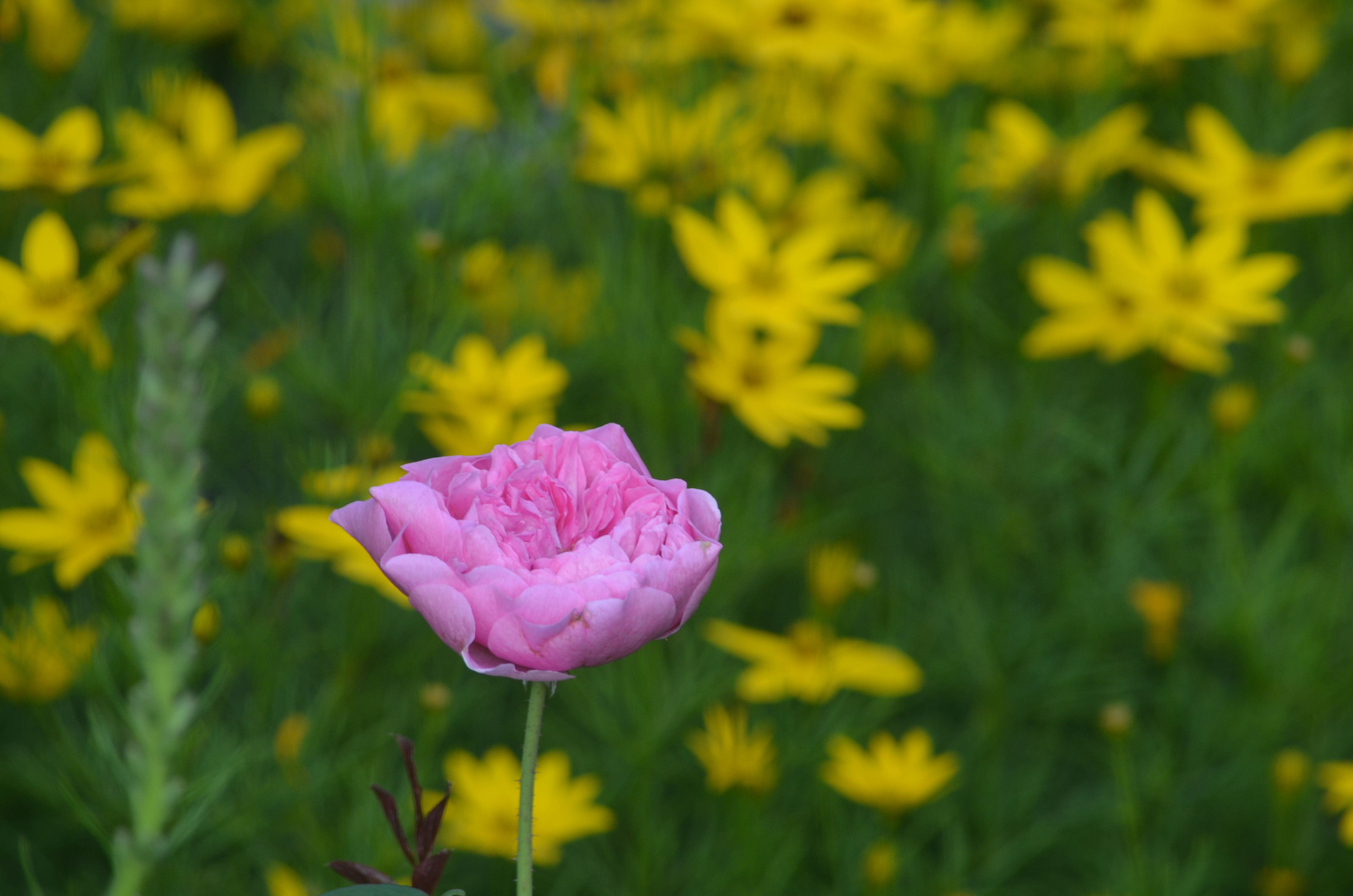
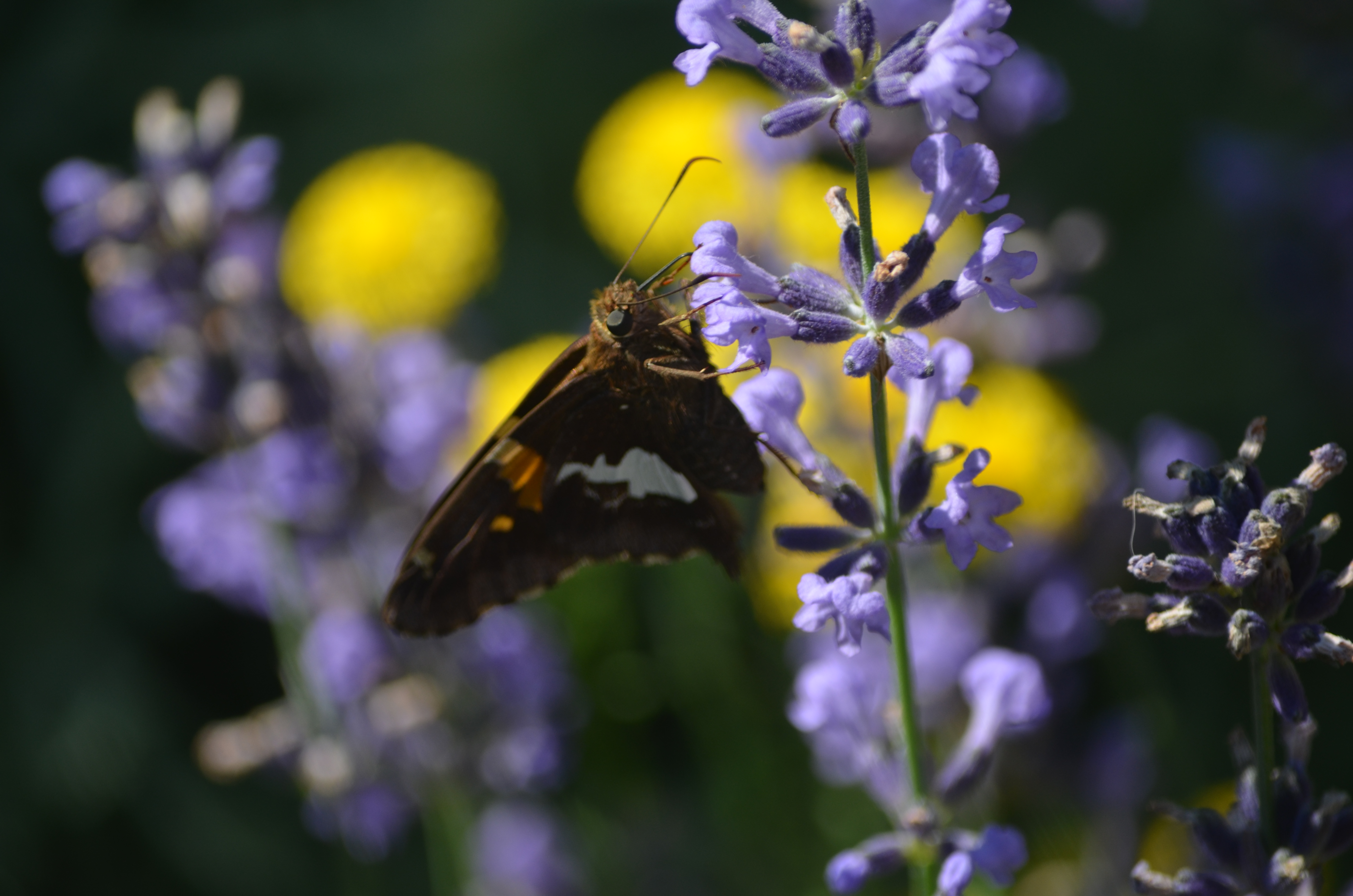
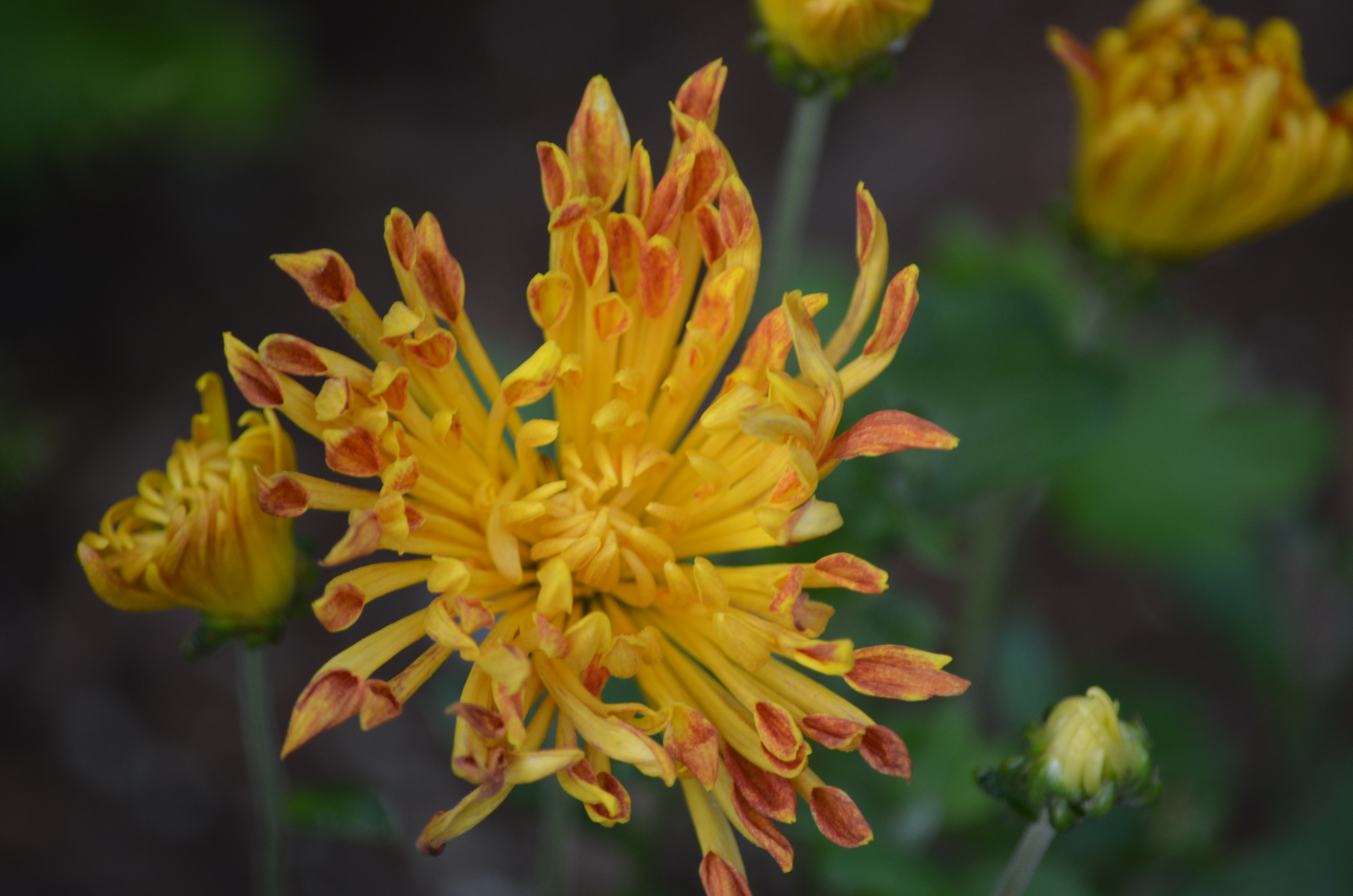
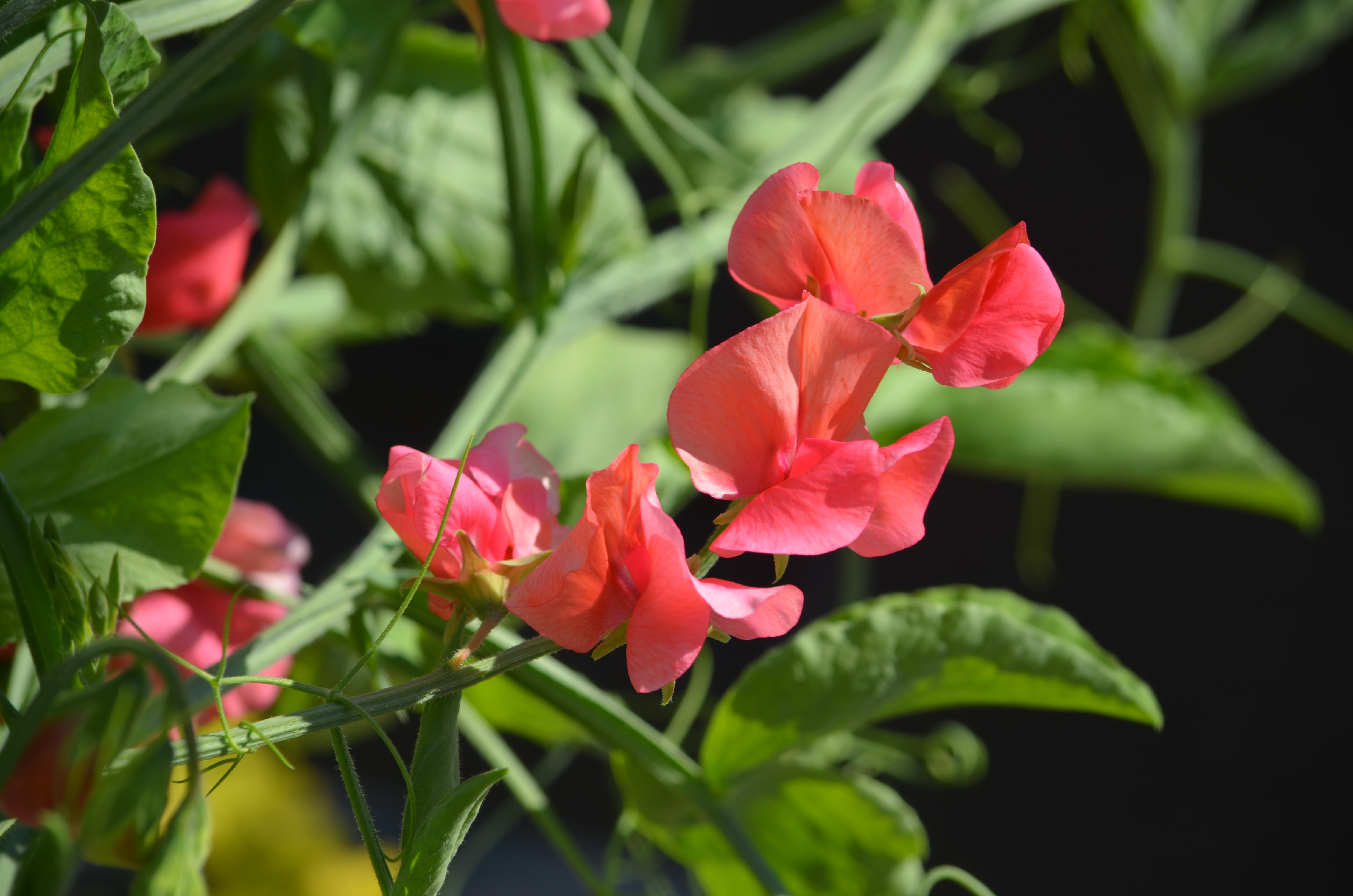
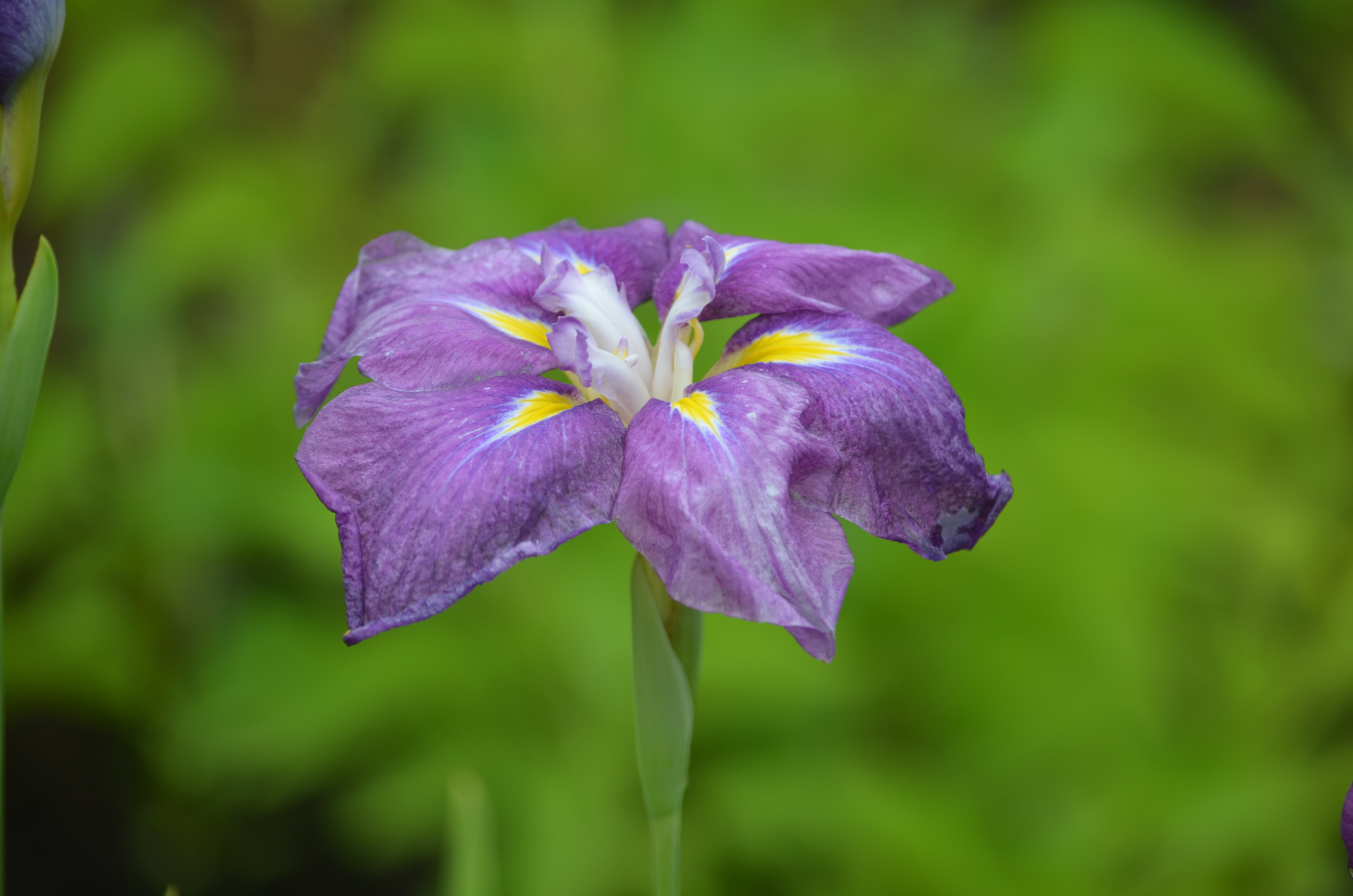
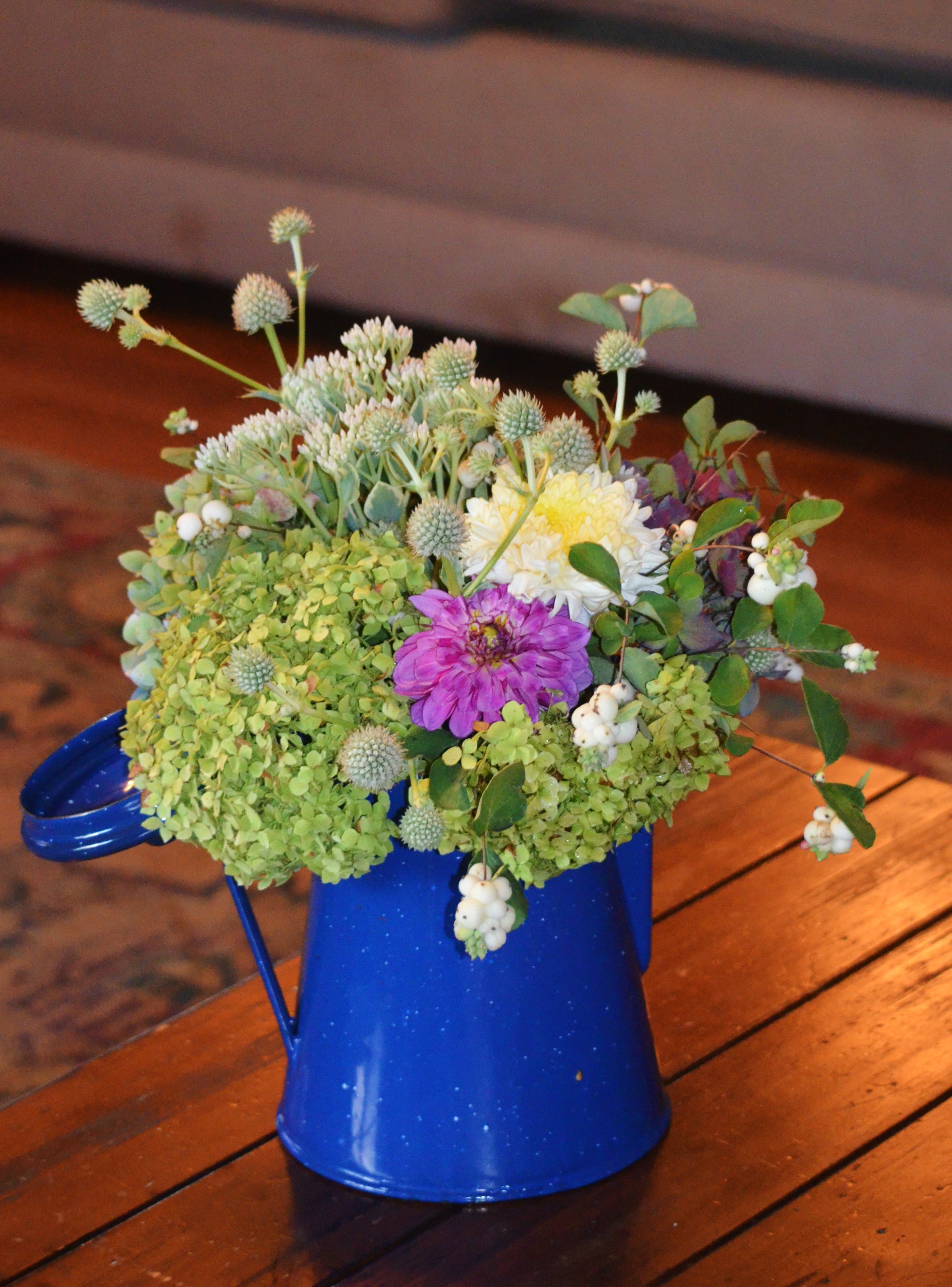
My oldest son is getting married this weekend. Although I am not doing the flowers for the wedding we are having the rehearsal dinner here and I am making a few arrangements for the tables. One will sit where the bar is set up, and the others are for the guest tables to be set amid votive candles. We will hopefully be outside, the party is an old fashioned New England clambake , so is casual and relaxed. I chose an enamel coffee set meant for camping as the containers and went out to see what I could grab from the garden. I came in with hydrangeas ( annabelle and one of the many blues) , berries from symphoricarpos, eryngium yuccafolium, a variegated tall sedum with white flowers , and a couple of dahlias.
Category Archives: Posts
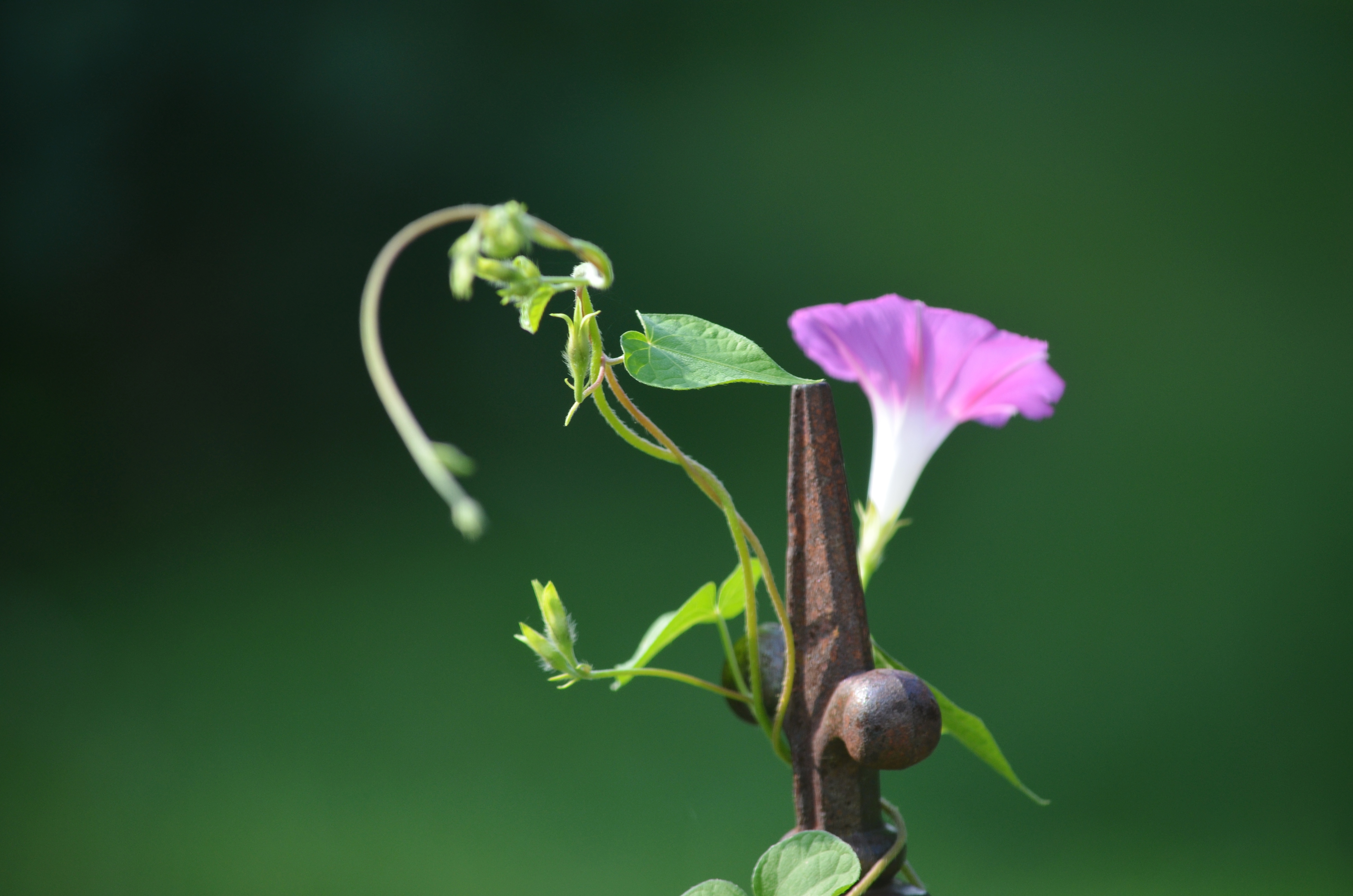
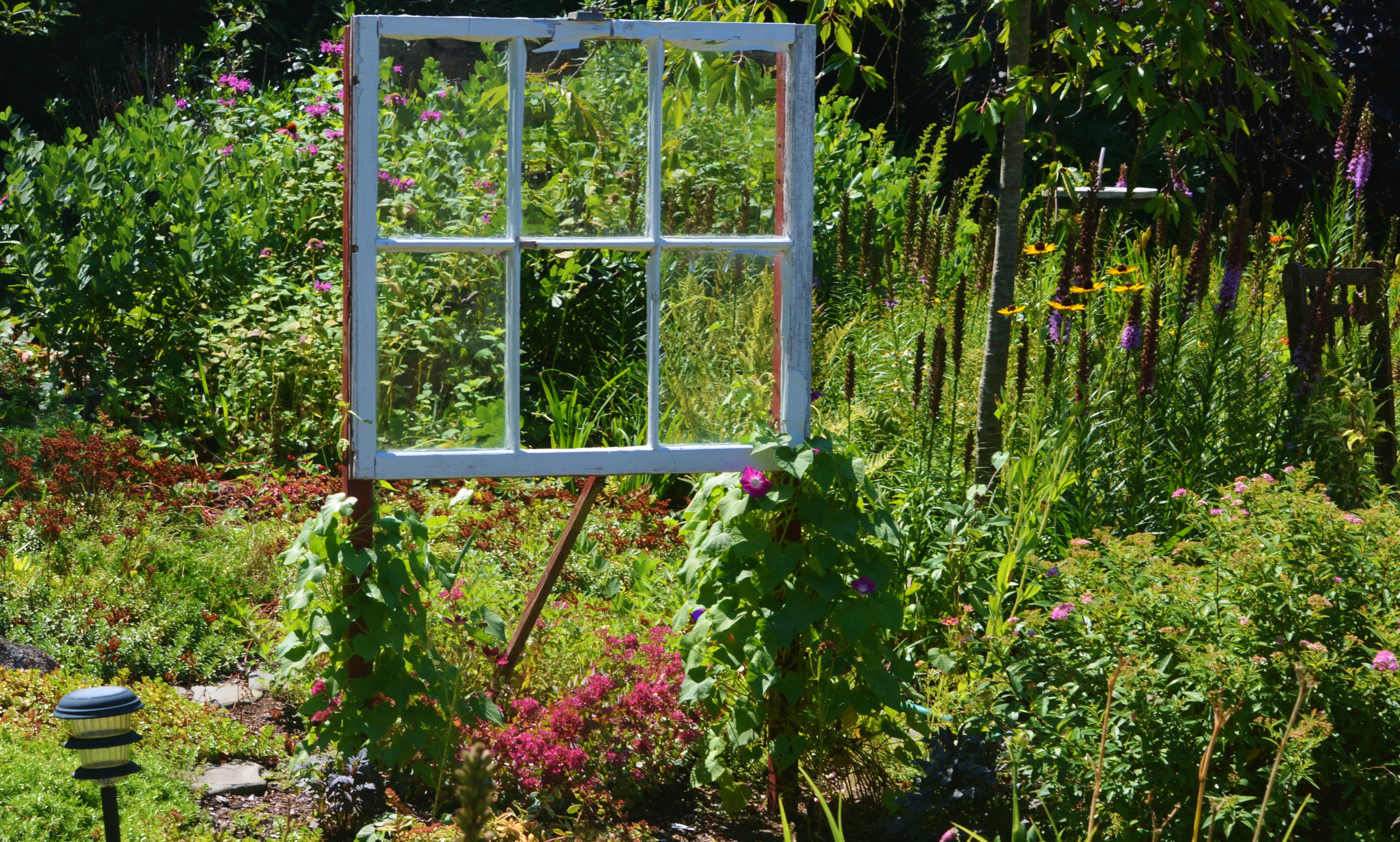
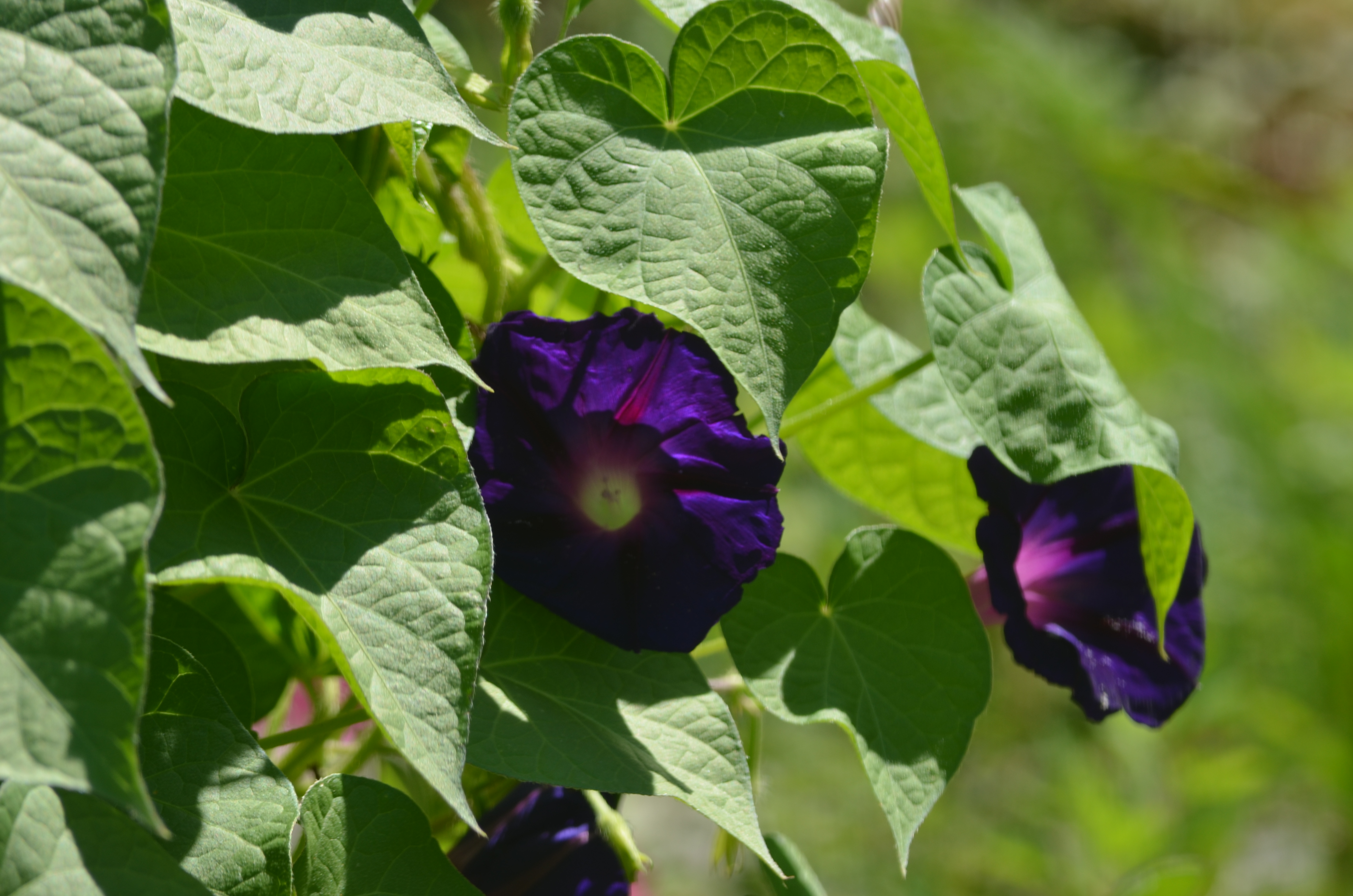
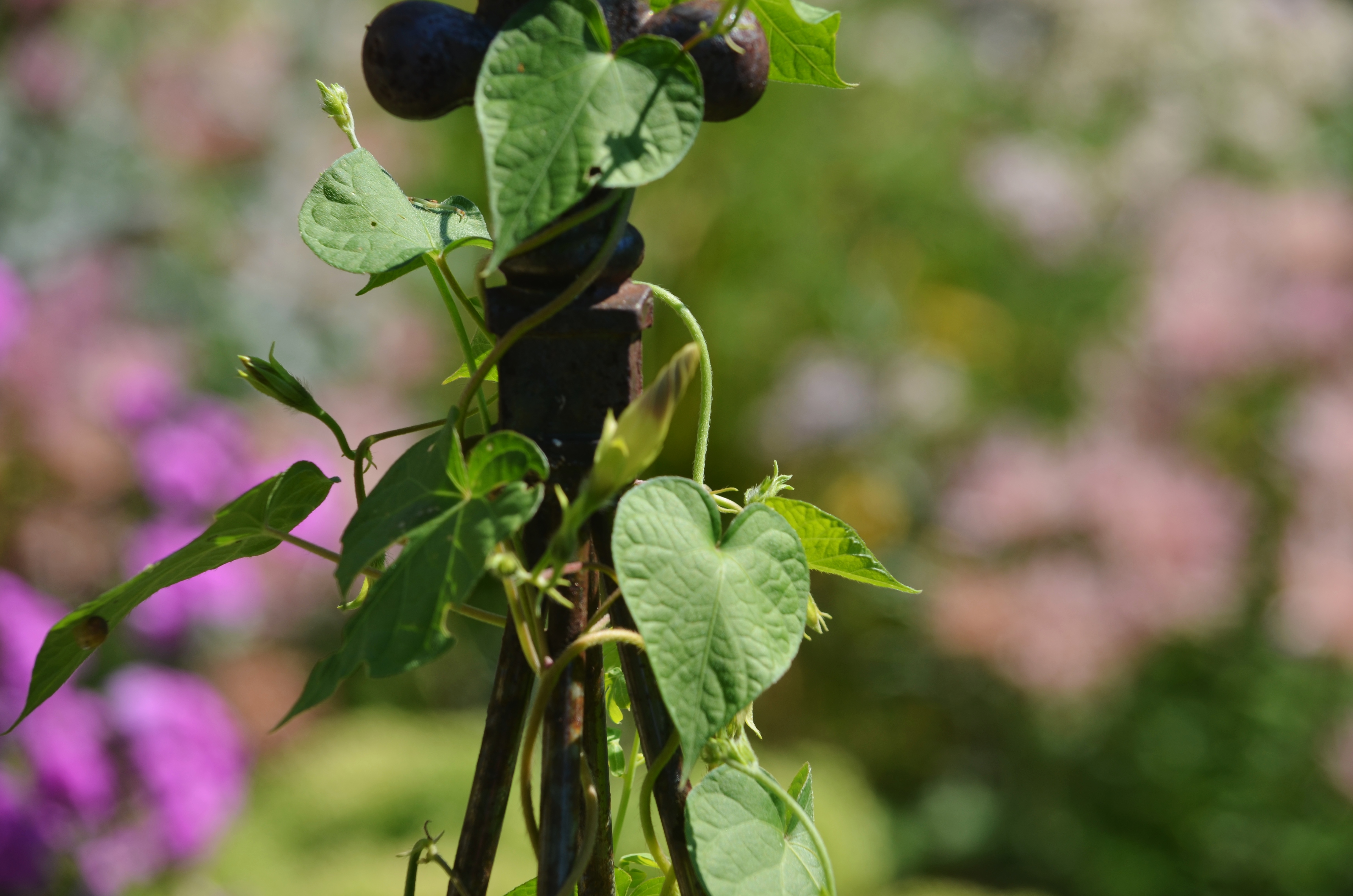
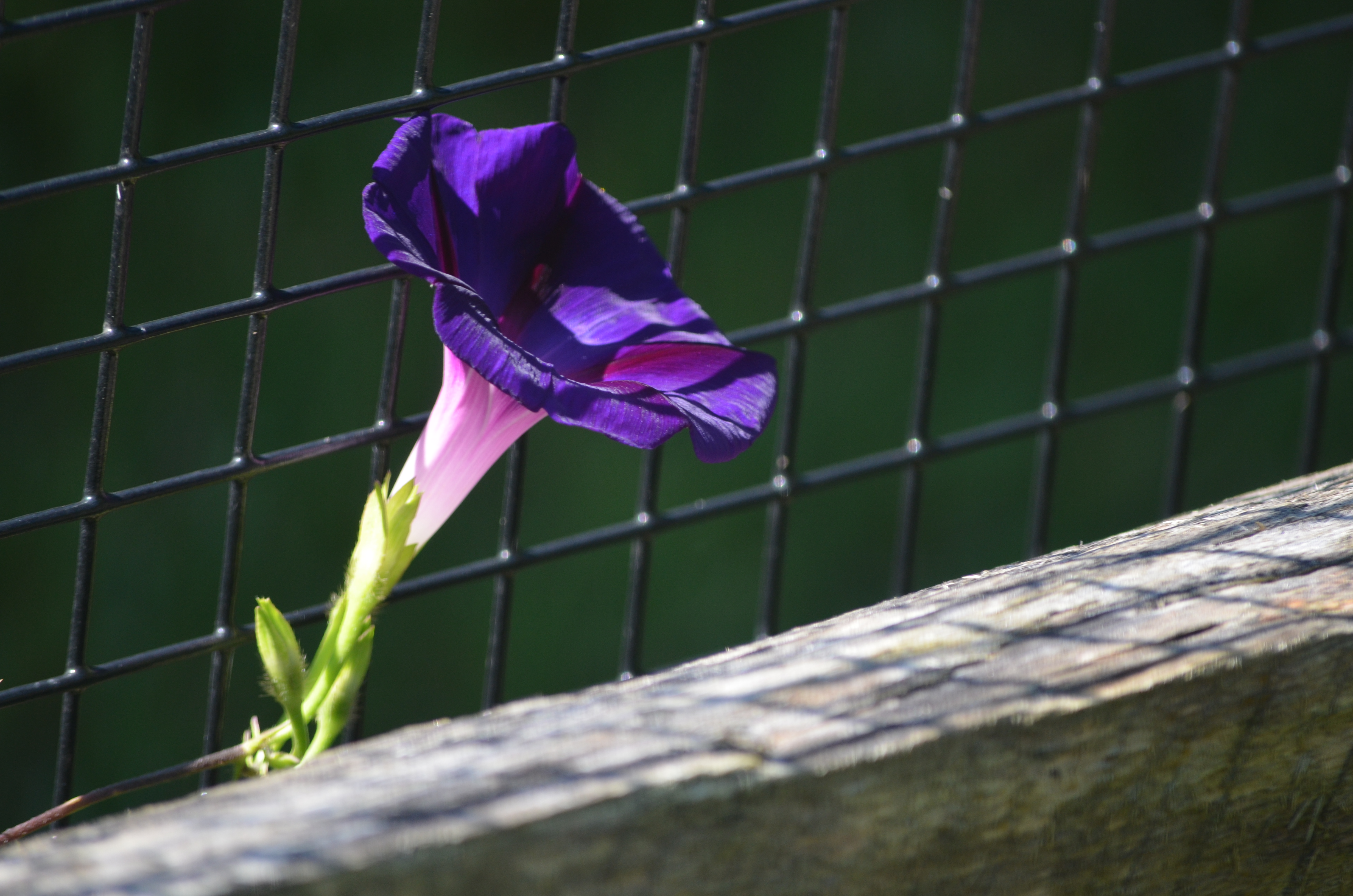
morning glories
There’s a lot to do!
I can’ say that August is ever down time for me in the garden. I mean, it totally could be if i wanted it to because if I keep up with the weeding and deadheading ( which requires a commitment of 10 min a day) then there really is nothing to do except the odd day of watering or pruning here and there. What happens just about every year , out of boredom truthfully, is I rip stuff out . This year is no different EXCEPT that there are complicating matters.
Back in May 2014 my oldest son got engaged. They wanted a simple outdoor wedding and said “We’ll just have it in the yard”. My response? OOOOOOOOH no you won’t! You may wonder why I would refuse my first born and also give up an opportunity to show off the garden, and the answer is not what you may think…..it has to do with port-a potties. our family is large, so even a small immediate family- only gathering is quite a large number. Add in her family, and now we have exceeded the ability to provide adequate potty service for everyone and I have a borderline crazy -town aversion to portable toilets. I won’t use one, I don’t want to see or smell them and i certainly do not want some large truck with some sort of cutsie name like ‘Throne Depot ‘ dropping any off in my yard. Nope. Not a chance. So we relocated the wedding to Wachusett Mountain which has loads of real flushable potties with sinks and running water and decided to just have the rehearsal dinner here. It will be a New England Clambake with all the fixins’, catered, so I thought easy-peasy.
At the same time we have been dealing with the replacement of the decking around the pool, or as i like to call it ‘The Project From Hell’ and after firing the first company, starting the process all over again, redsesigning the whole thing and hiring a new company, this project that started when there was still 4 feet of snow on the ground is yet to have begun. Of course they have called and set up our start time right after the big event, so the pool area , which has been in a sorry state since we opened it in May, has descended into a full blown mess as we had to start ripping out the existing landscaping before they get going with the pavers. Add in a garden tour planned by a local garden society who will be here in early September, and you may say with confidence that I am overwhelmed.
I know, I know, I do these things to myself, but why does it always work out this way?
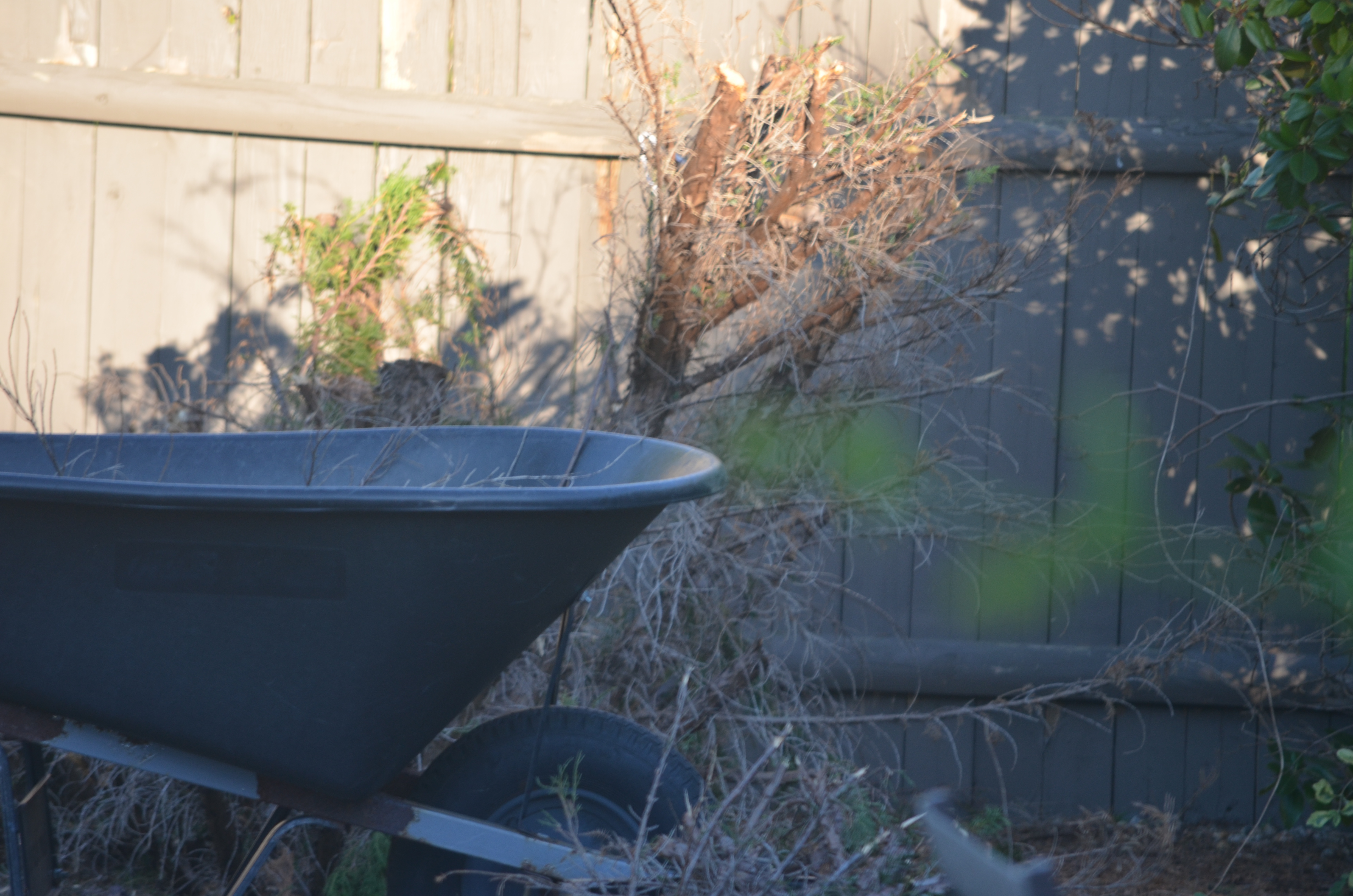
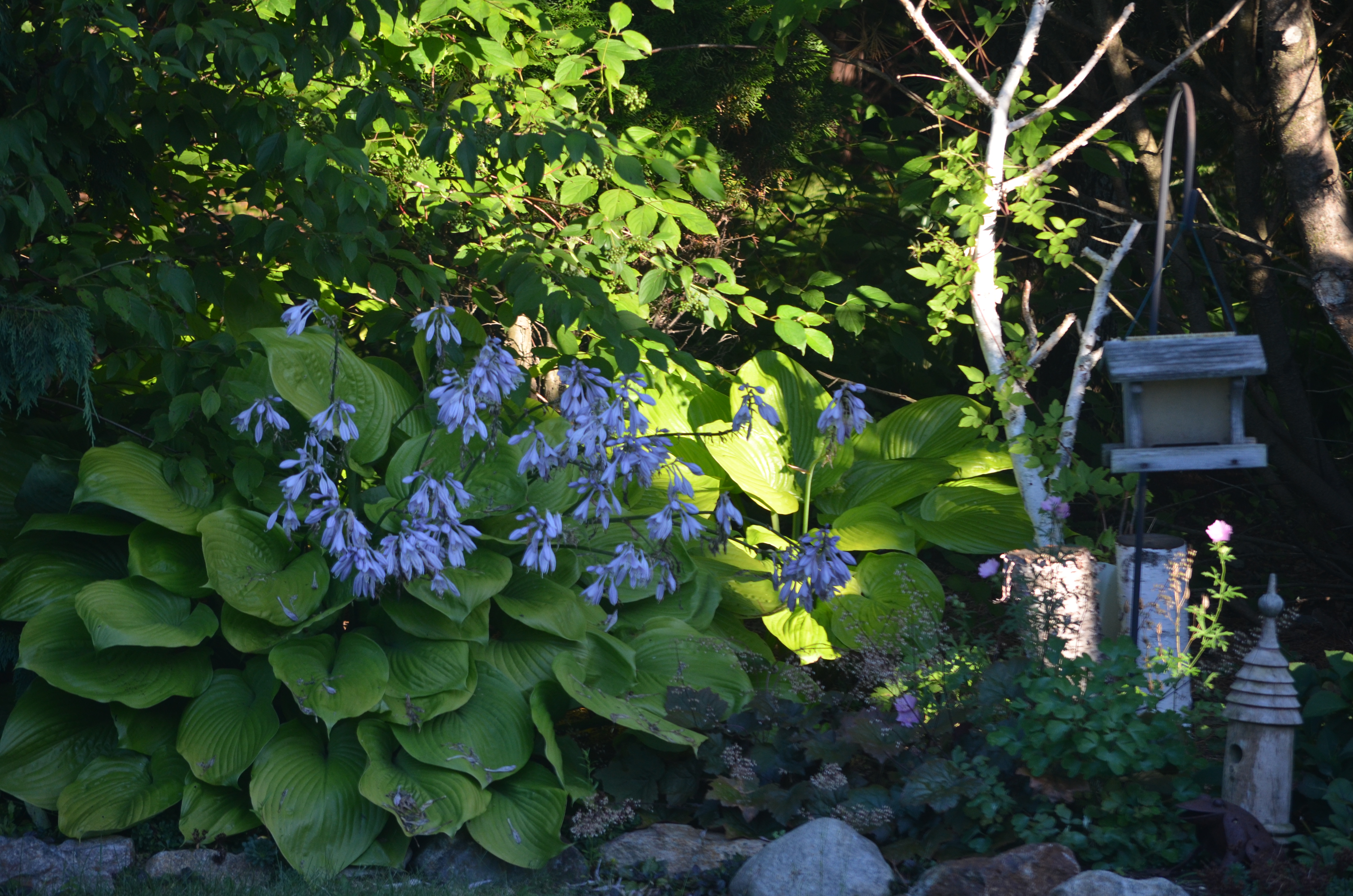
This week I actually hired some help to take out 4 overgrown shrubs that needed to go. Great decision on my part if I do say so myself. Now this weekend we only have to dig out what is left of 2 of the stumps, take out the crappy soil from the areas and replace it with compost and loam, paint the areas of the fence that were hidden by the shrubs and are now exposed, move everything off the deck to make room for the caterers and stain it while it is empty, move a large stand of ‘Sum and Substance’ hosta which are HUGE, hang lights around the area where we will set up the tables, bring a bunch of stuff we are clearing out ( old umbrellas , the kids old pool basketball sets etc) to the recycle center, and then we can move on to tidying the garden for visitors.
Without whining I will tell you that we spent all of this past week going to medical appointments with my youngest daughter , who is thankfully in year 9 post cancer treatment. Every once in a while all her appointments clump together and they take priority over everything else. Today was the last of them except the eye dr which is next week so now i can focus on the tasks at hand. Well, I can sort of focus since my dress fitting has yet to even be scheduled, the deck company is coming for a site visit, I have to make the arbor decorations for the wedding service……sigh.
I know it will all get done. I know I work best under pressure. I got this…I think.
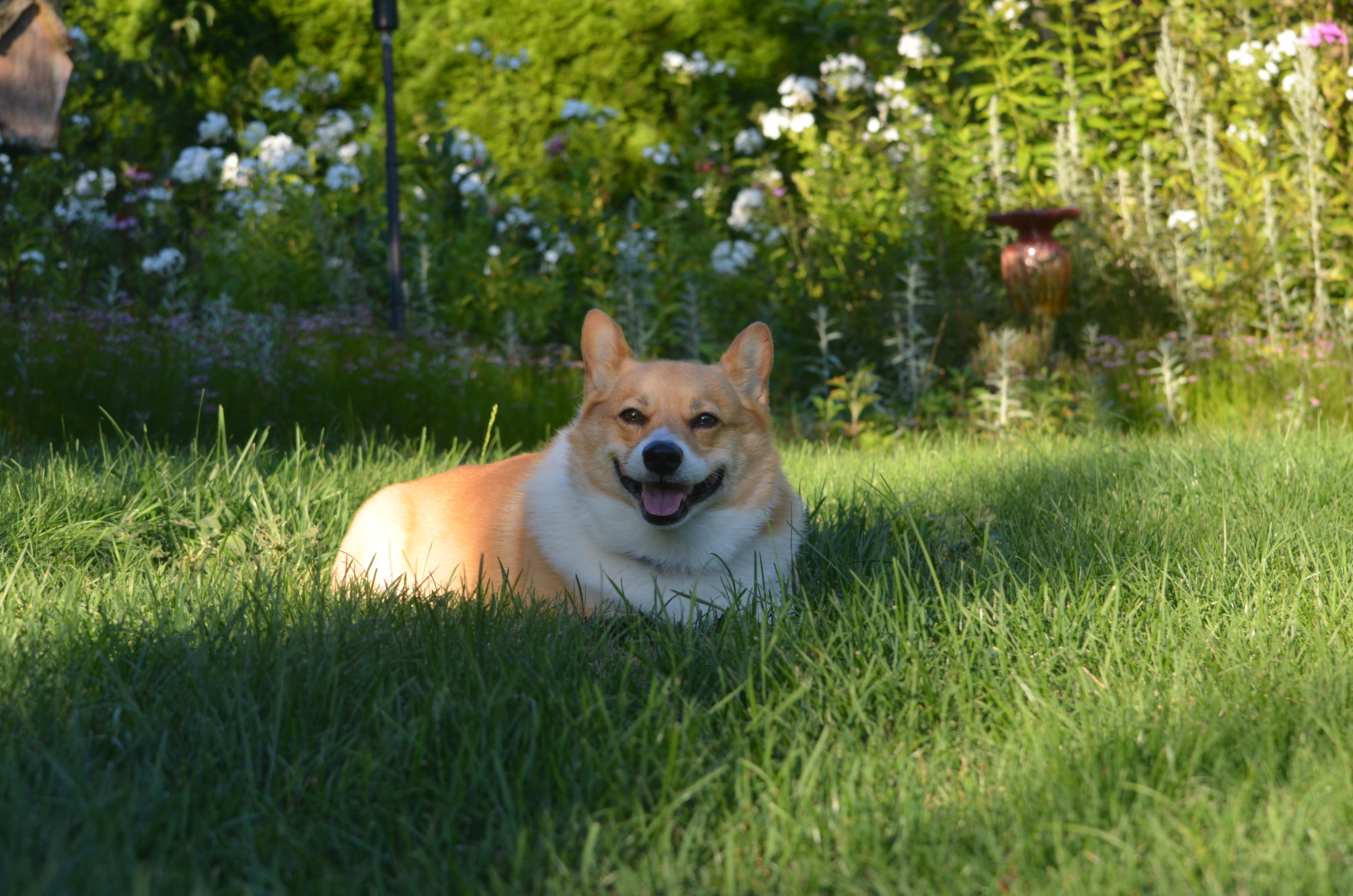
Meanwhile let’s look at what has been going on here in the garden without me……ending with the obligatory cute corgi photo


plant profile: cobaea scandens
Looking for a great addition to the late season garden? Of course you are! After the absolute explosion of bloom in July and as we head into August it is nice to still have many things to look forward to garden -wise. I speak often about vines, and especially how annual vines are just the ticket to a great Fall show, and cobaea scandens or cup and saucer vine is a standout among them
. ( a quick Latin refresher-the word scandens refers to anything that scrambles, so when you see it in a plant name assume you have a climbing or rambling grower).
Cobae scandens is sometimes dismissed as a garden plant here in the Northeast because it is a late starter. I will admit, getting it off and running can be tricky. The seeds are flat and tough and can take a few weeks to germinate. If you are starting them indoors from seed, tip the seeds on their sides to avoid rotting. After germination they will take a while to get growing and need a lot of attention in hardening them off for growing outside, If you like , you can direct sow the seed , but don’t even dare to do it before the June 1st here in z6 as it will gain you nothing and may loose you everything. The vine hails from Mexico , where it is perennial…and revels in the heat ,so a cool spring can do them in. I prefer to order green house grown plants to start with , and really ,at less than $10 no matter where you order them from, they will repay you with quicker growth and earlier flowering.than if you started them yourself.
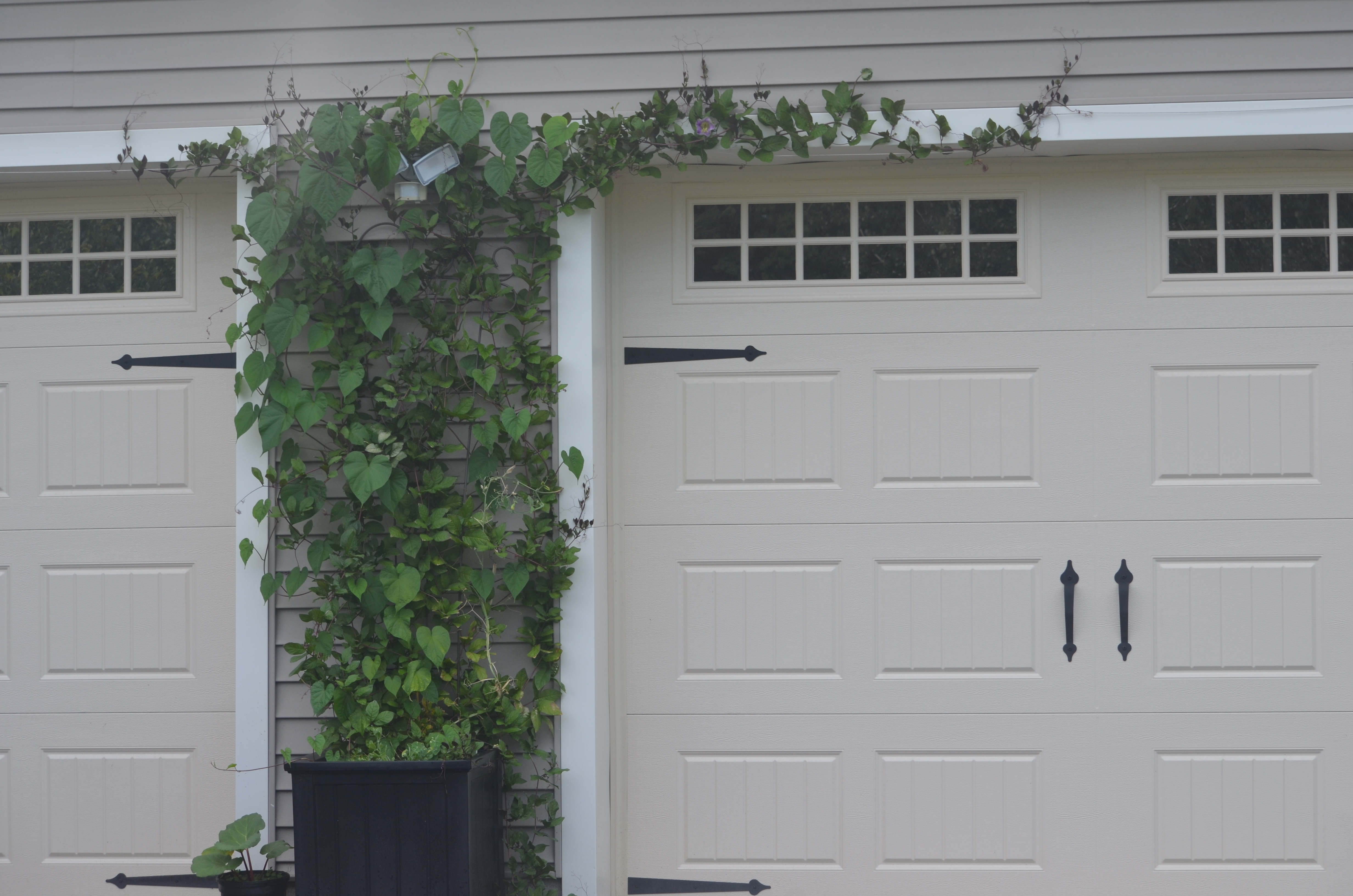
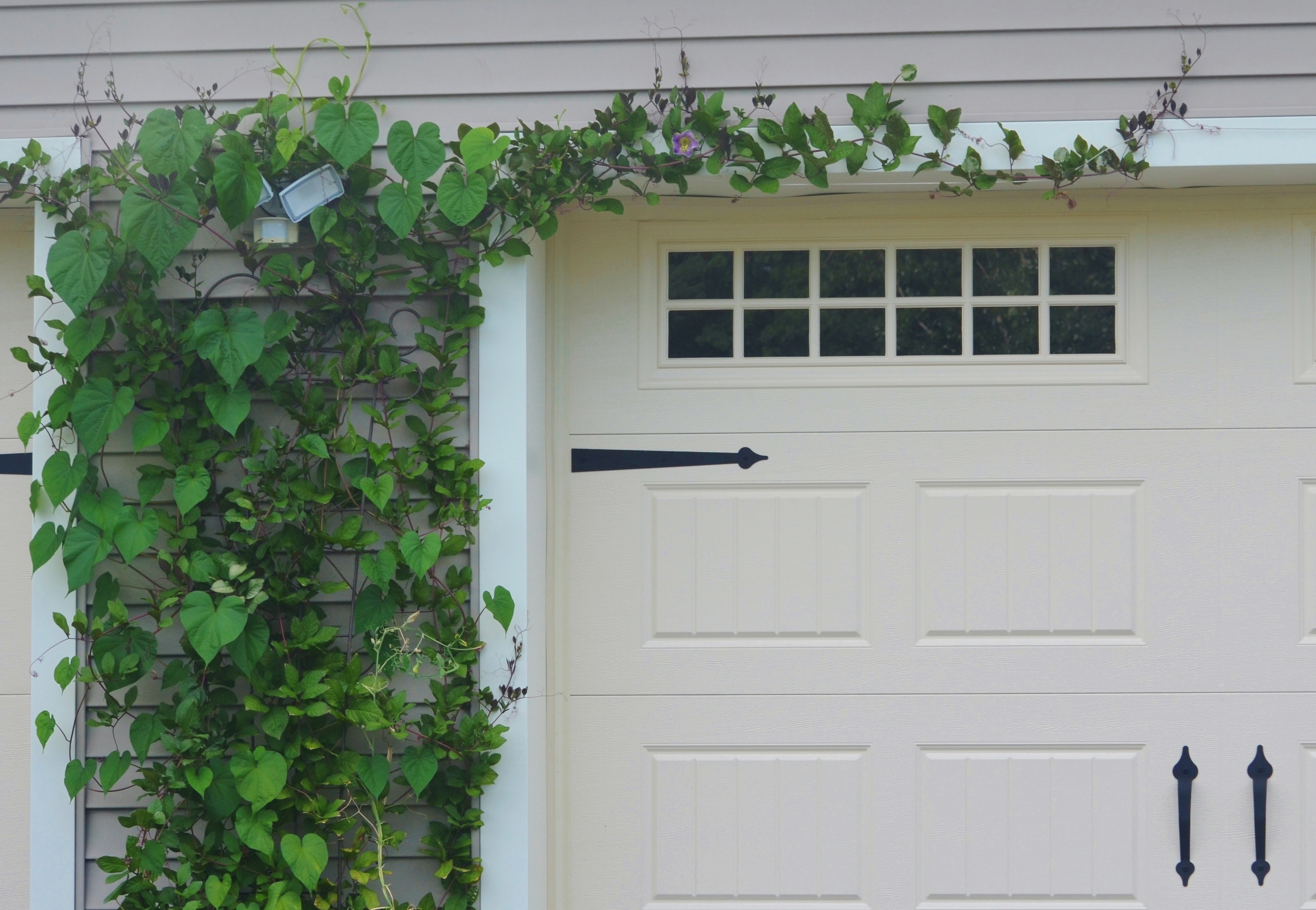
Once growing this vine will quickly cover a trellis , and if you use more than one plant you can cover a pergola or arbor. 20 -25 feet in a season is not unheard of. By the middle of July my vine was well over 10 feet and it has now hit it’s stride. ( the other vines in the photo are a moonflower and a sweet pea that is done blooming)
The foliage is a gorgeous dark green with purple undersides and stems ,and the many spring-like tendrils enable it to grab on to just about anything. After my vine outgrew the trellis, it had been happily climbing the siding by latching on the any little nook it could. I did, although, move it and gave it some twine to not only guide it to where I want it to grow, but for added support during all the windy thunderstorms we get here in the summer.
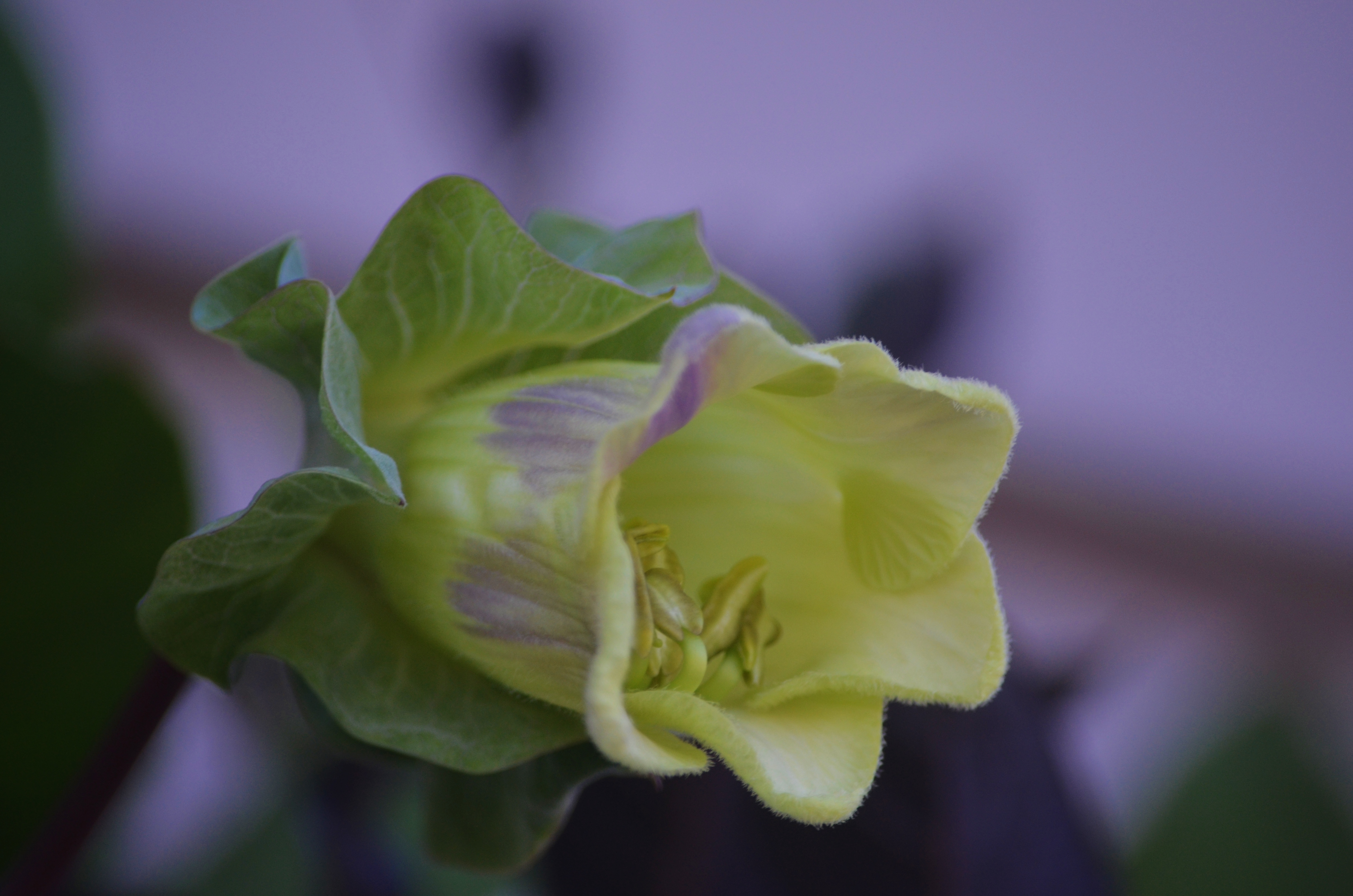
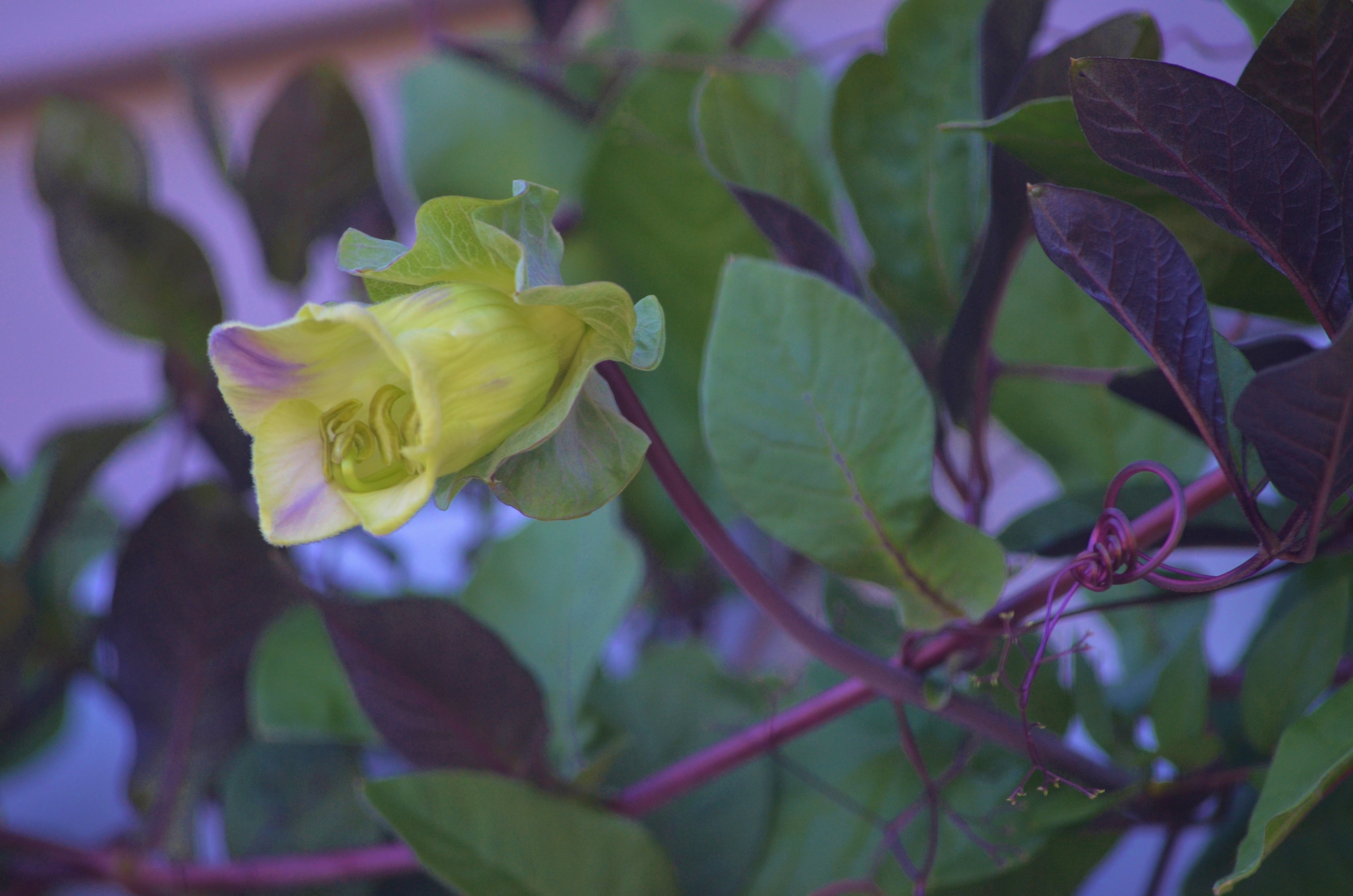
The first flower appeared this week , and they are quite unusual. The bell or cup shaped flower emerges a creamy white and will slowly darken to purple over time. The flower sits on open sepals that look very much like a saucer surrounding the cup, hence the common name.
A word of caution, t his plant likes humidity and water and will quickly be infested with spider mites if left to dry out. It is very humid here in the summer and I have it planted in a self-watering planter, so it is loving life.
Being a tender perennial, as opposed to an annual, I am going to try to overwinter this vine inside this year. I hope to give it a good haircut in the late Fall and place it in the bay window and see what happens. At the very least I hope it will survive to be replanted again in the Spring…and at the very best I hope I will be enjoying the lovely flowers indoors all winter long. Only time will tell!
The photos I took below are of the flower over just two days.The change in color is already remarkable.

A star in the mid-summer garden no matter what you call it
I am named after no one in particular. I know because I asked. I asked because I have always hated my name and wondered why of all the names out there Cheryl was chosen for me. My parents and their families are Polish. Our roots in this country are barely established. They are also strongly Catholic, again a very defining affiliation, so I guess I would have expected I would have a Polish, or at least a Biblical name. Not so much.
Names fascinate me, because at least up until recently ( in most cases other than my own,) a name usually told a story, or at least some small part of one. They connect you to a history, a culture, a family. My brother in law was telling me about a friend of theirs who, while in the maternity ward with their youngest, was taking record of the other baby names and could not help but be horrified to see this name on a bassinet…..La-ah. To the uninitiated, that would be pronounced lahdashah, but the letters in “dash” are represented by the symbol – .
It makes me sad to think how disconnected this child will always be. Made up names, especially ones that are so beyond normal rules of pronunciation and comprehension , do not ground you to anything. They say nothing endearing about who you are or where you came from, and that is always how I felt about mine. Cheryl was not a popular movie star name, had no clear affiliation with a race of people or country of origin, no great story of why that name belongs to me exists. To boot, I have never had a nickname, or a cute abbreviation, leaving me only the one icky and unconnected name.
Somehow, conversely, that has translated to me always being very curious about names, which has naturally led to an obsession with plants names and the consequent study of them in both their common and botanical Latin form .
The plant I am talking about today has more names than any one thing should have. It has common names referencing a country, someones offspring, , a bird, several other plants, and even a weapon.
It has been botanically named and renamed until i am no longer sure what is the correct and current one to use.
to whit….it is a member of the Iris family ( iridacea) yet called variously an orchid and a lily.
It It is a gladiolus, yet has born the name acidanthera
It has been known in botanical Latin as Gladiolus callianthus ( beautifully flowered)
Gladioulus murielae ( after botanist Ernest Wilson’s daughter Muriel)
Acidanthera bicolor ( obvious when you see it bloom)
Acidanthera murielae
and commonly as Abyssinian gladiolus ( from Ethiopia)
Peacock orchid
Fragrant gladiolus and
Sword lily
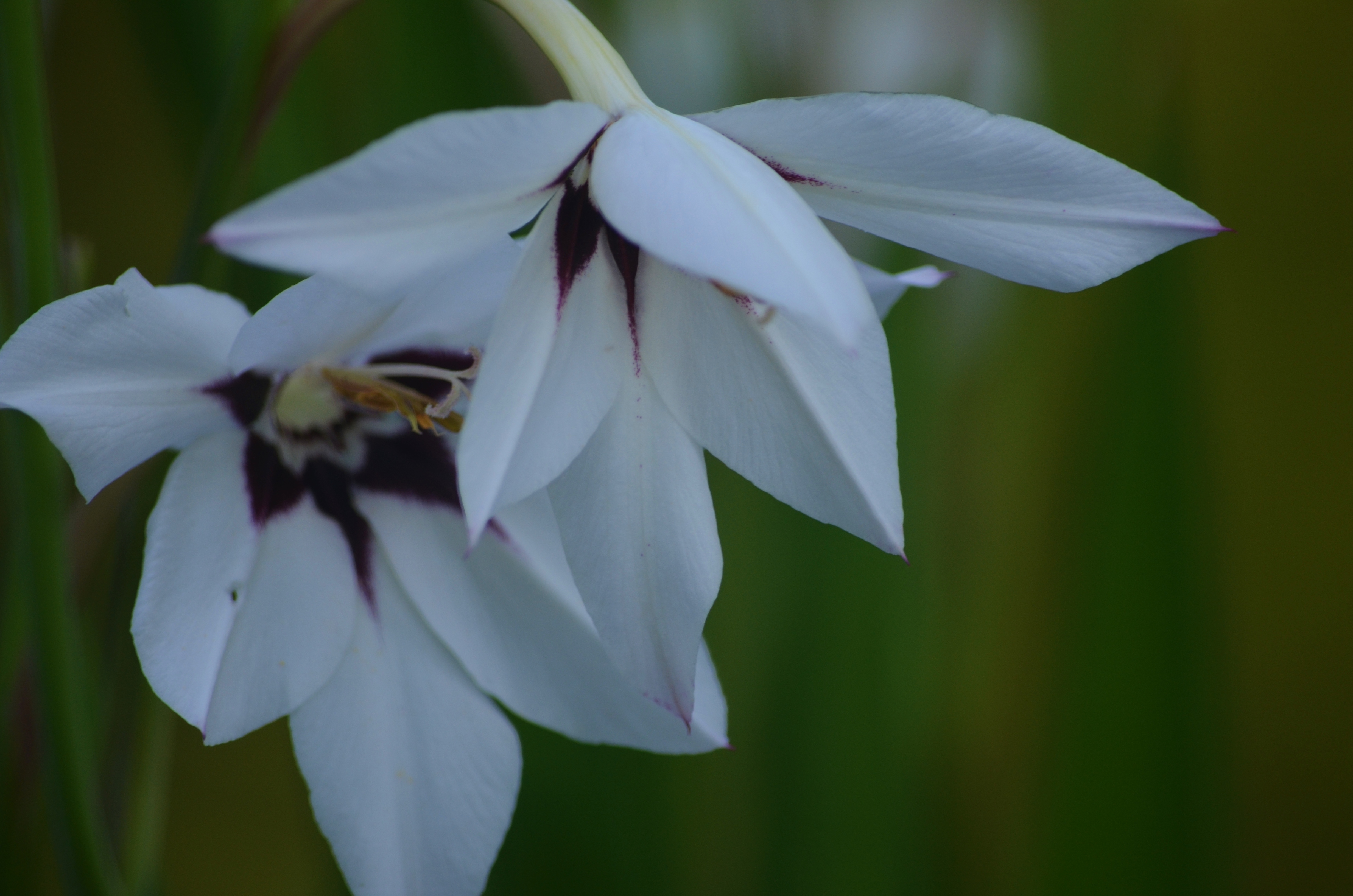
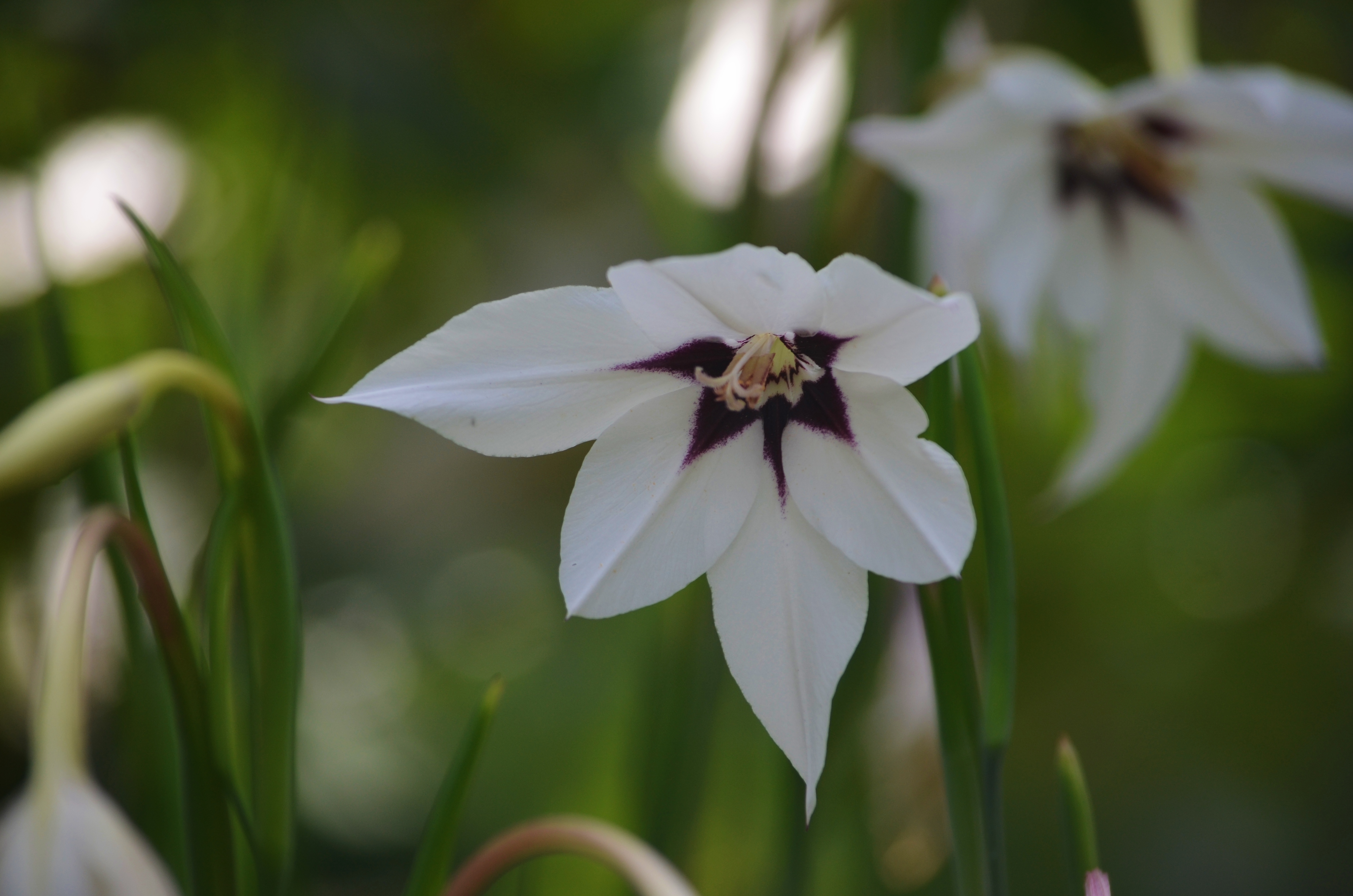
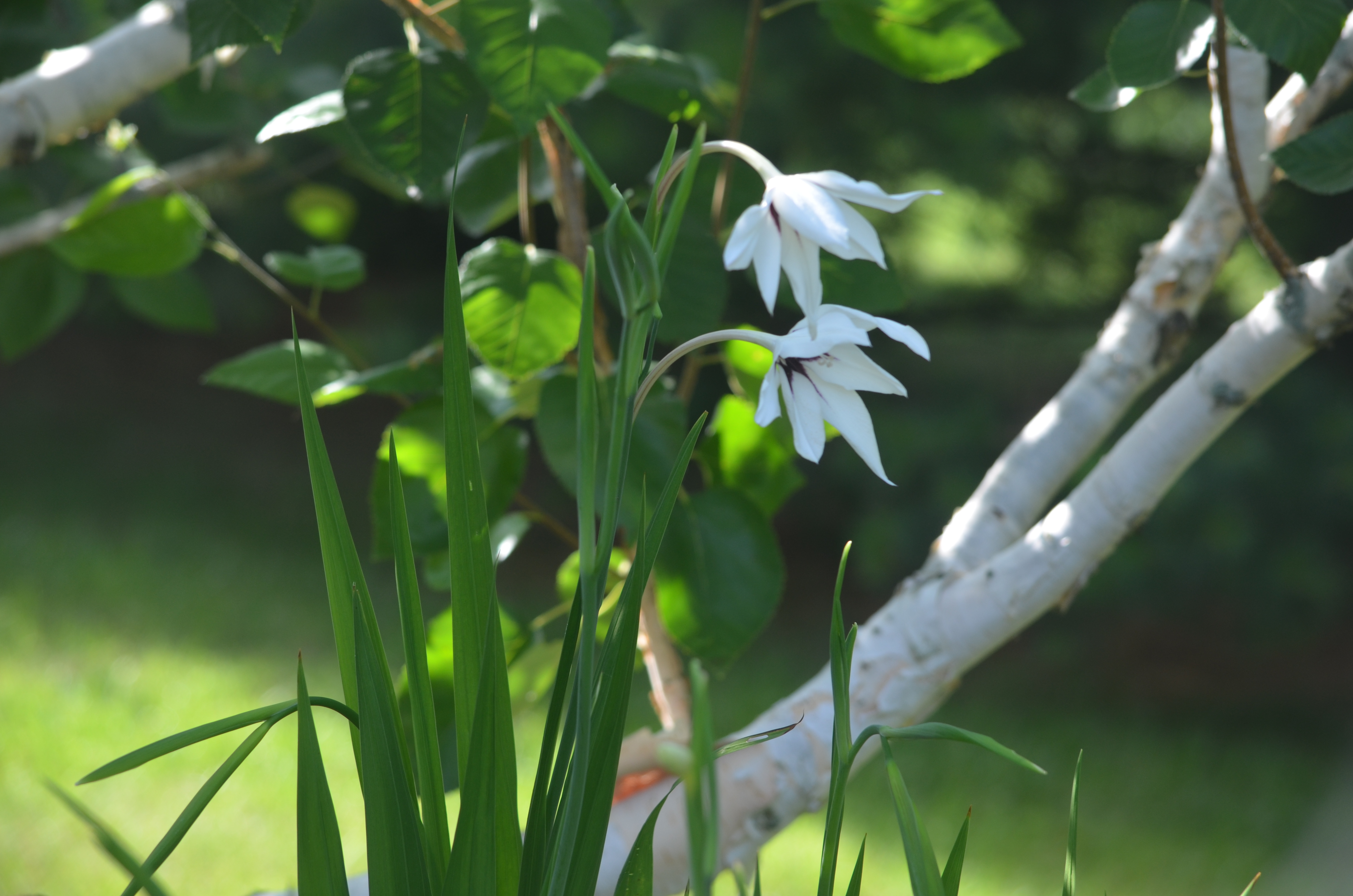
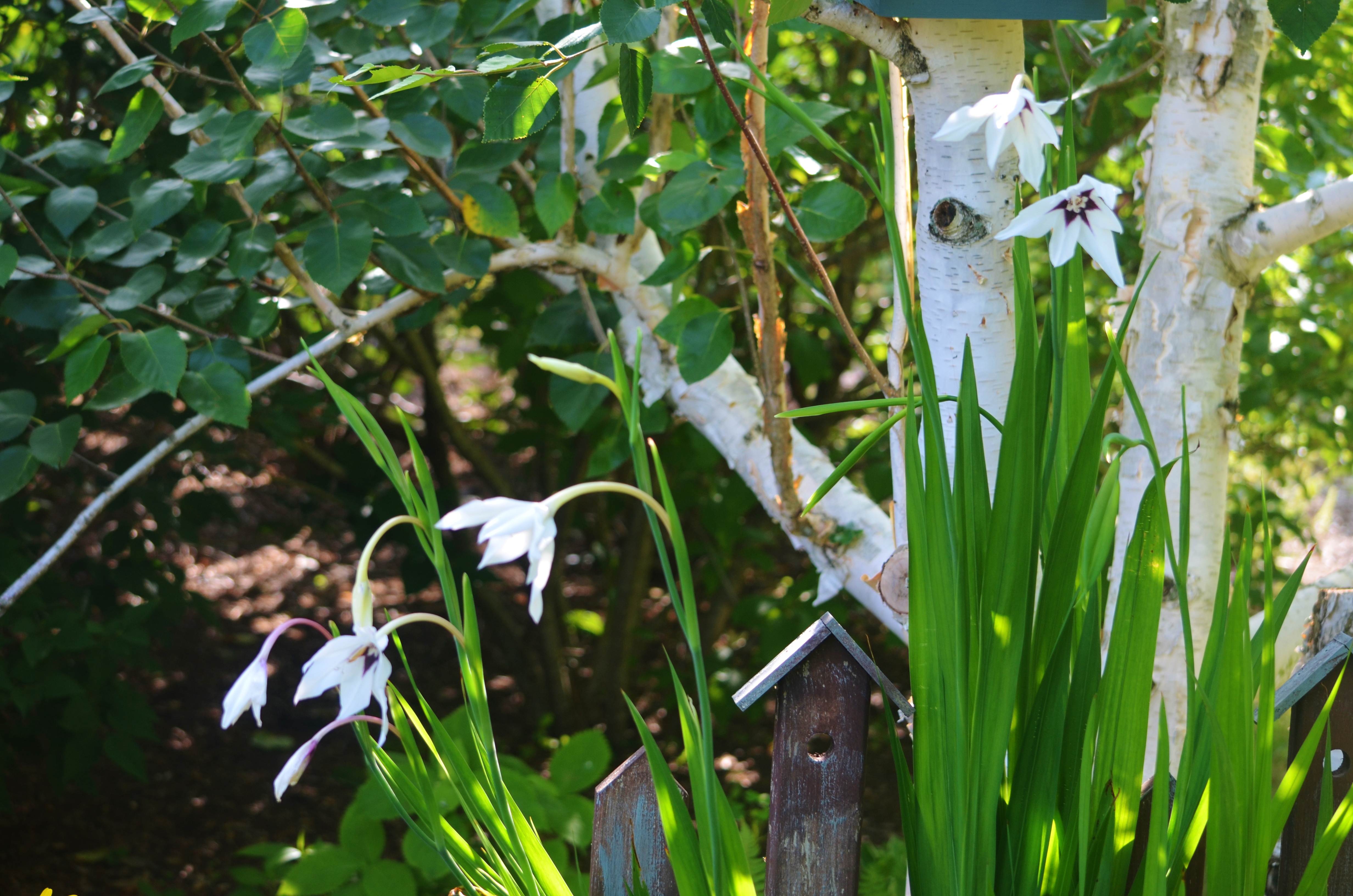
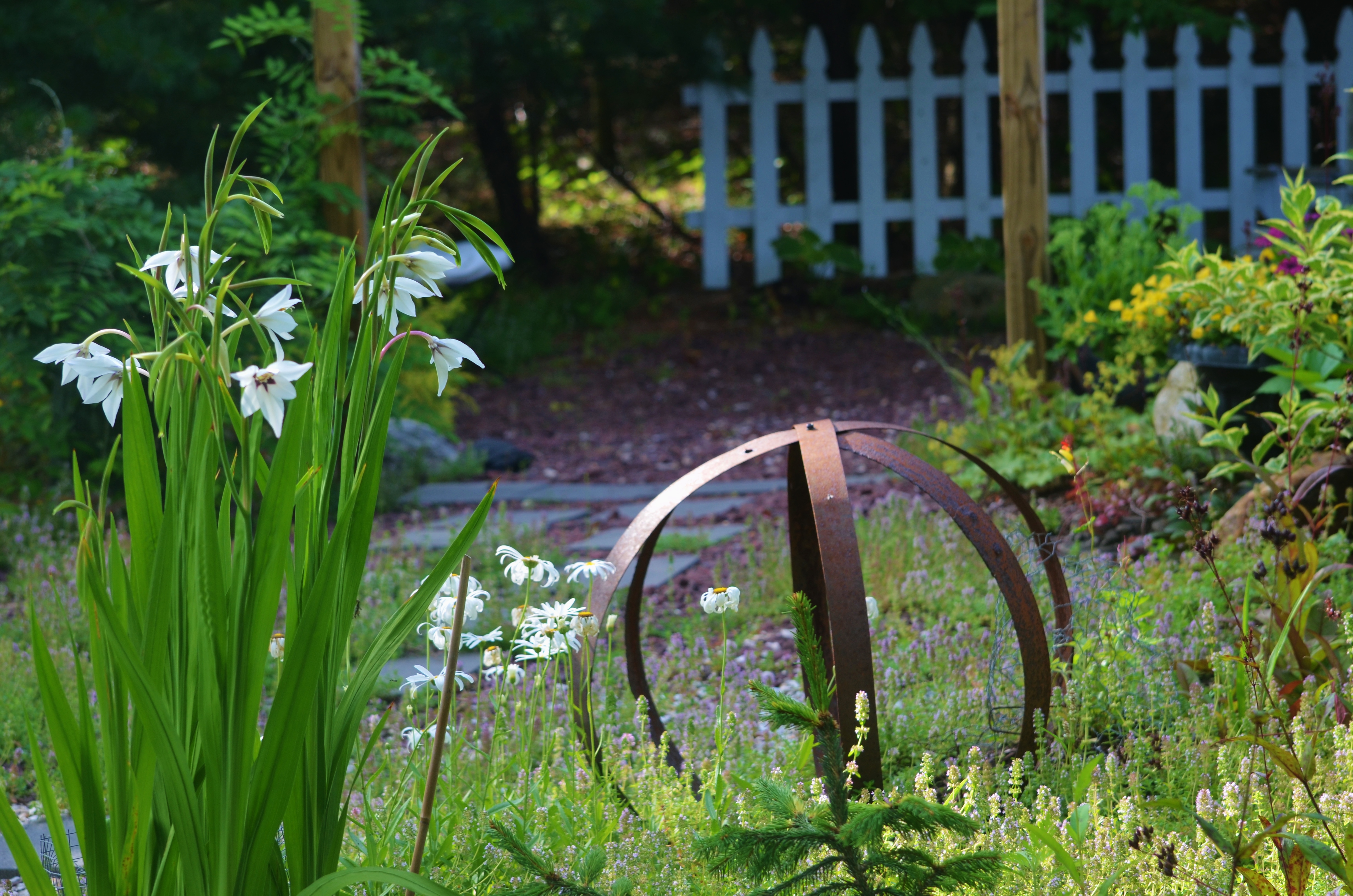
Yikes. Anyway, just pick one and call it that . I will stick to Peacock Orchid for now, because I am sensitive to yucky names, and personally like that one. Peacock orchids, unlike other gladiolus are graceful . They nod instead of standing ramrod straight and are anything but funereal. They are planted out as little corms, here (Z5) in late spring after frost or even a little before, and by midsummer have grown to 2-3 ft and start blooming. The flowers are a creamy white with a maroon center, and mildly fragrant.
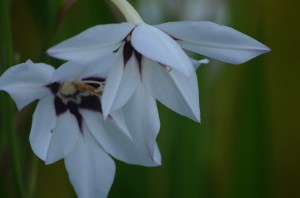
.
There are many great reasons to love this plant. First..it is dirt cheap. you can get the corms anywhere and plant them in the ground or in pots. They are only hardy to zone 7, but in colder areas if you lift them at the end of the season and store them in perlite over the winter in your house, you can plant the old bulbs as well as all of the offsets they produced next year, This translates to $$$ saved on annuals .As someone who gardens on an acre and plants as many as 50 containers a year, cost matters. I warmer areas they will multiply if left in the ground.
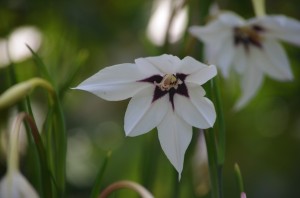
.
Secondly, you can easily stagger the bloom time by planting the corms in waves , and if you do this in pots, will have many plants to place in any area that needs a pick me up when the long summer takes it’s toll on the garden. You can move the growing plants from the pot into the ground , drop the pots into more decorative pots, or place them pots and all in the ground. Your choice, all will work.
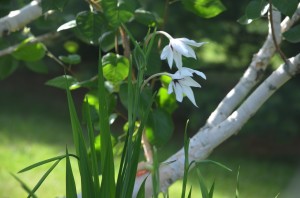
Third, they are easy. They are full sun plants, but will tolerate part shade and so far they have suffered no pest damage here. I have them growing in the ground and in 3 different containers and they all look beautiful. In one container I have a black eyed susan vine working its way up their stalks and into the tree above them, which was a brilliant idea if I do say so myself.
Peacock orchids combine very well with other containers plants both when it has just its dramatic foliage as well as when it is is bloom because the color is subtle.
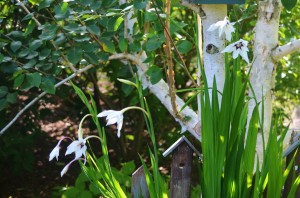
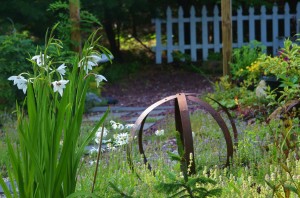
Whatever you call it, be sure add it to your “need to plant” list next spring
nice to meet you, hydrangea involucrata
Every one in a while I become completely enamored with a plant, or a group of plants, In the past few years I have all but become obsessed with the genus hydrangea. Until recently I did not have enough shadier areas and soil moisture is always a concern, so I stuck with the paniculatas like ‘Limelight’ and grandiflora, and for 4 years have been doing a blooming experiment moving around an ‘Endless Summer’ and ‘Penny Mac’. I also have two old macrophyllas, ‘Nikko Blue’ and an unnamed lace cap that have been here since the garden originated and will only bloom if the weather is conducive.
But lately I have been adding hydrangeas in wherever I can eek out space, or even evicting other plants in some cases (gasp)!
I have posted on my faves and the ones I have found to reliably bloom in colder climates, and now am branching out to try other species that are listed as hardy to higher zones but may in fact be hardy here…only time will tell!
The first I am going to tell you about is hydrangea involucrata. The species in native to Japan and Tawaiin and is often called bracted hydrangea. it is a close relative of h. aspera but it stays much smaller …3-4 ft where aspera can get 10-12 ft.
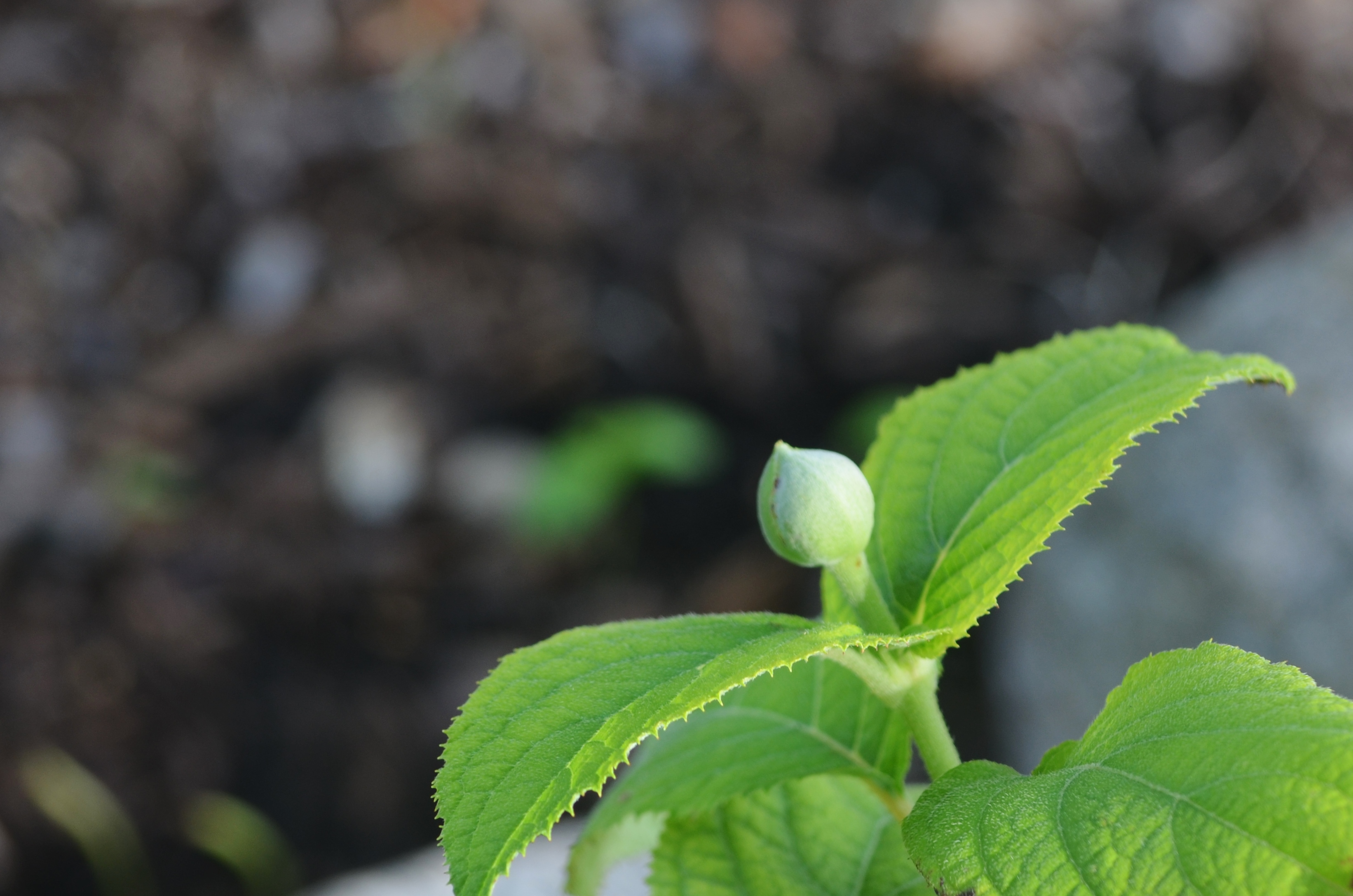
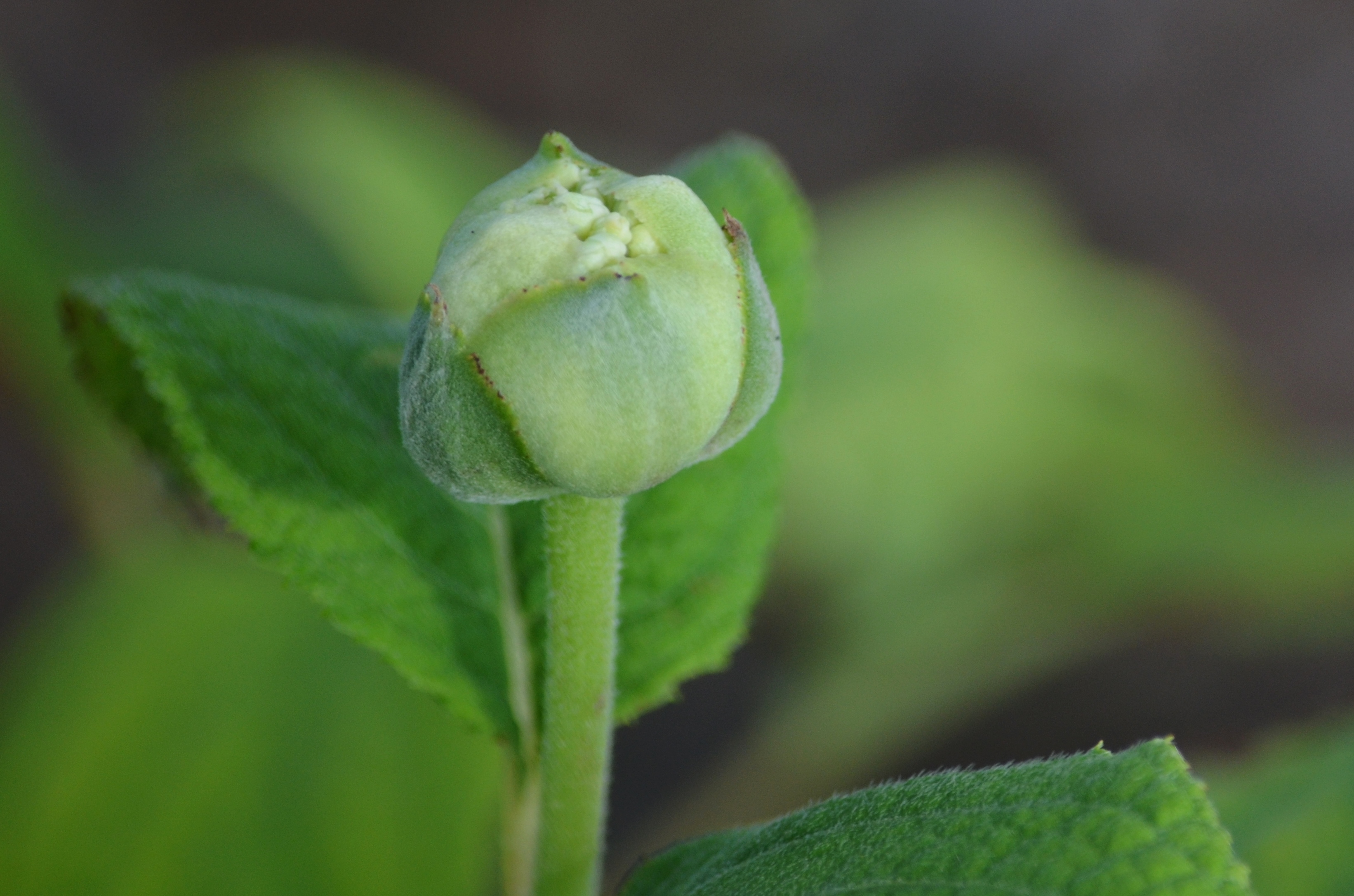
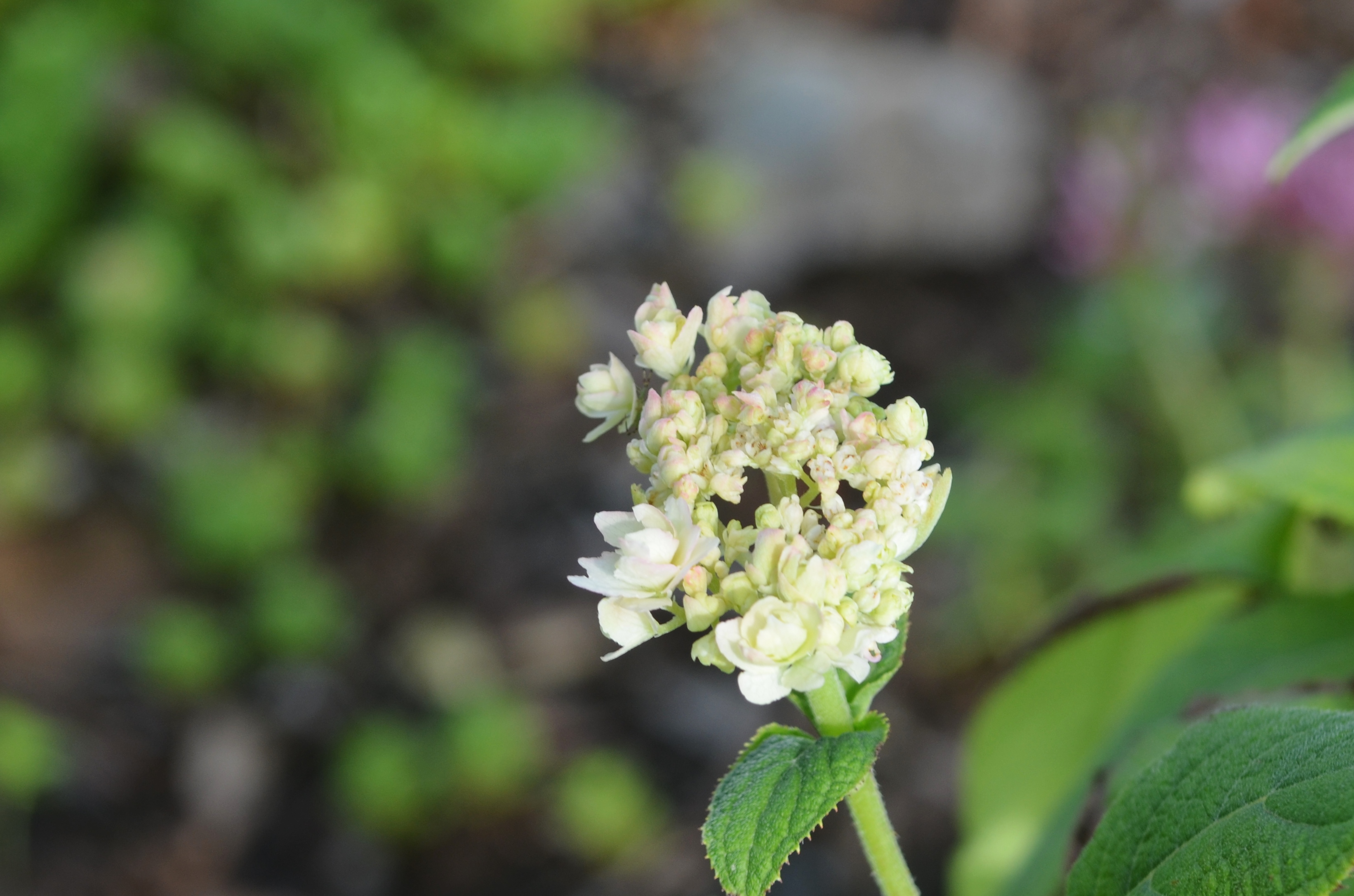
The flower buds are really fascinating as they are involucral ( the word comes from the Latin for wrapper) and consist of a rosette or whorl of bracts that surround the flower cluster which remains enveloped or wrapped until bursting open to slowly reveal the opening flowers. I think they look like wee little eggs.

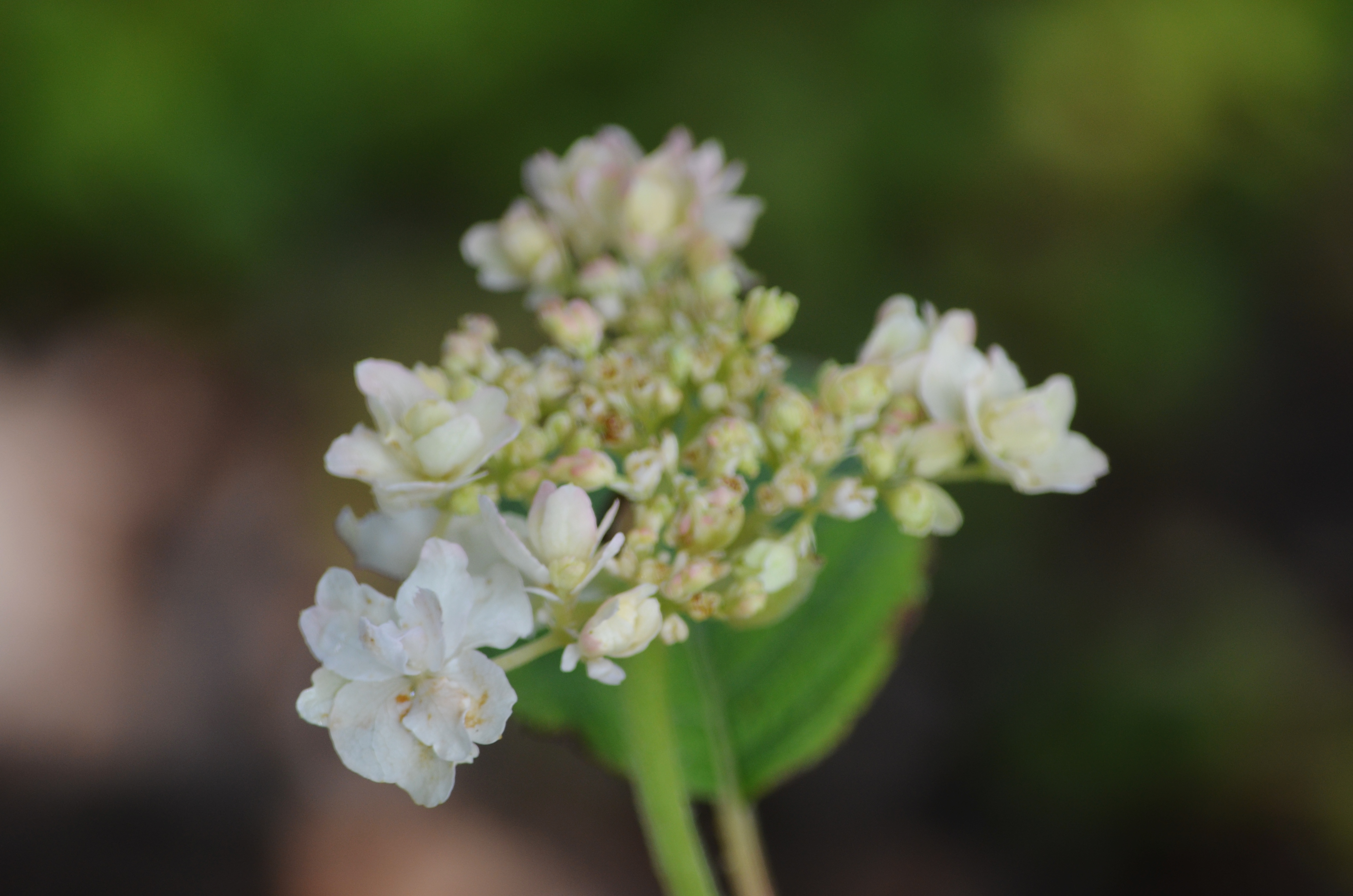
The cultivar I planted this year is called ‘Yokudanka’ which blooms in a undefined color, sort of pinkish-green tinged cream with soft yellow at the centers. They sort of remind me colorwise of the flowers on hydrangea quercifolia ‘Snowflake’.The leaves are bristly which makes it a great rabbit resistant choice .
So far I have discovered a few things about it. It does not appreciate being let dry out, so I have a few leaves that are brown around the edges, and it’s leaves have remained bright yellowish green even though I thought they may fade to a deeper green as the season elapsed. I am committing myself to watering it better, and have taken a few cuttings to overwinter indoors in case it does not survive the winter.
Next on my list is h.involucrata ‘Blue Bunny’, which flowers blue on acidic soil and is said to bloom on new wood so if it dies back I still should get flowers. You can get one here It is listed as hardy to z6, but in a sheltered spot I am hoping it will do well.
This is pure speculation, but I think these hydrangeas bloom very late here ( end of July into October) because of the die back and consequently the necessary time to re-grow , which makes them great additions to the late season garden. Mine is blooming now because it was green house grown so had an earlier start , and boy am I am happy to have it! Fingers crossed I can get it to overwinter , but even if I don’t I will grow it in a container forever and ever, it is a really cool plant!
more firsts for the garden, both good and bad
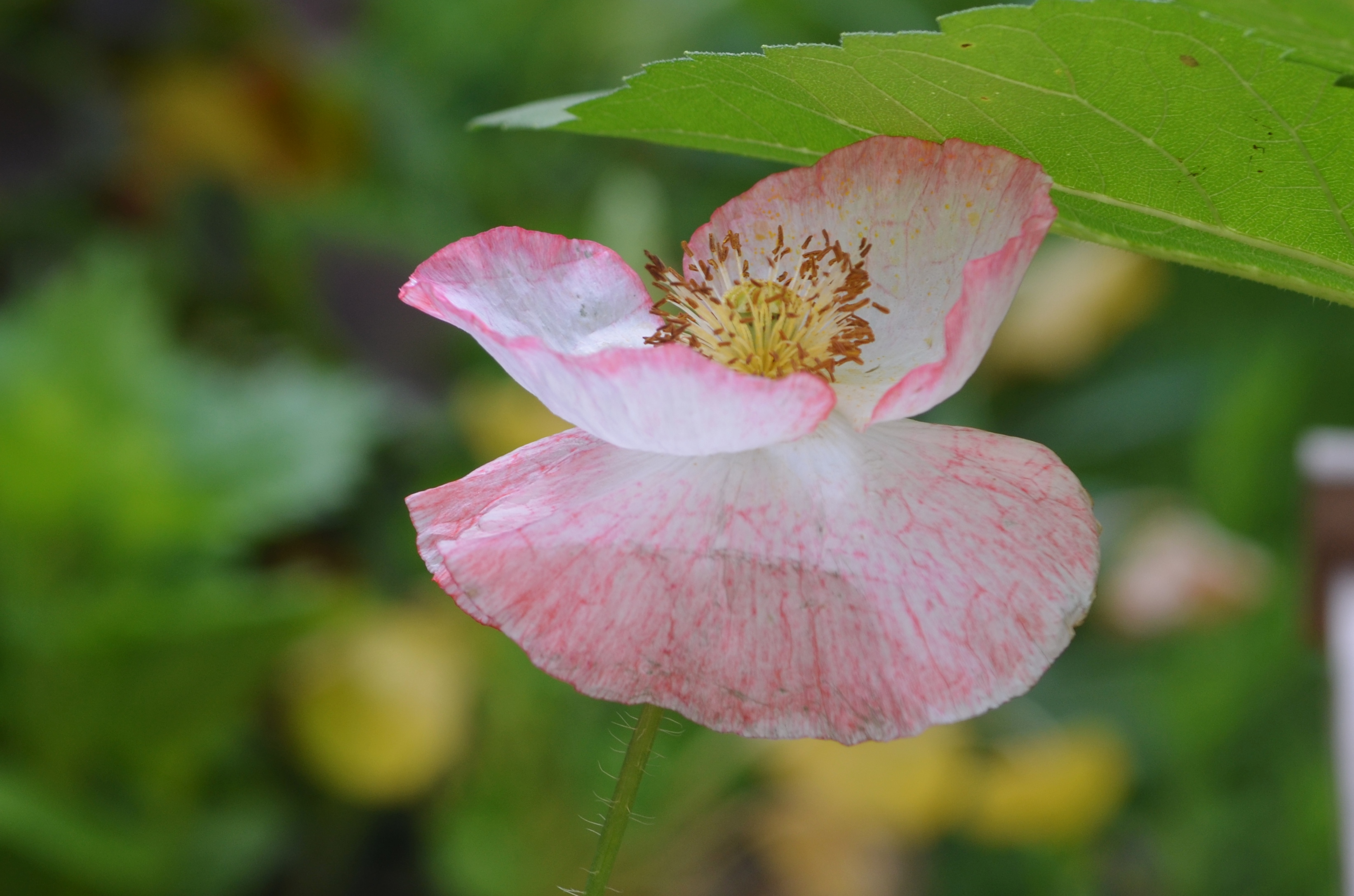
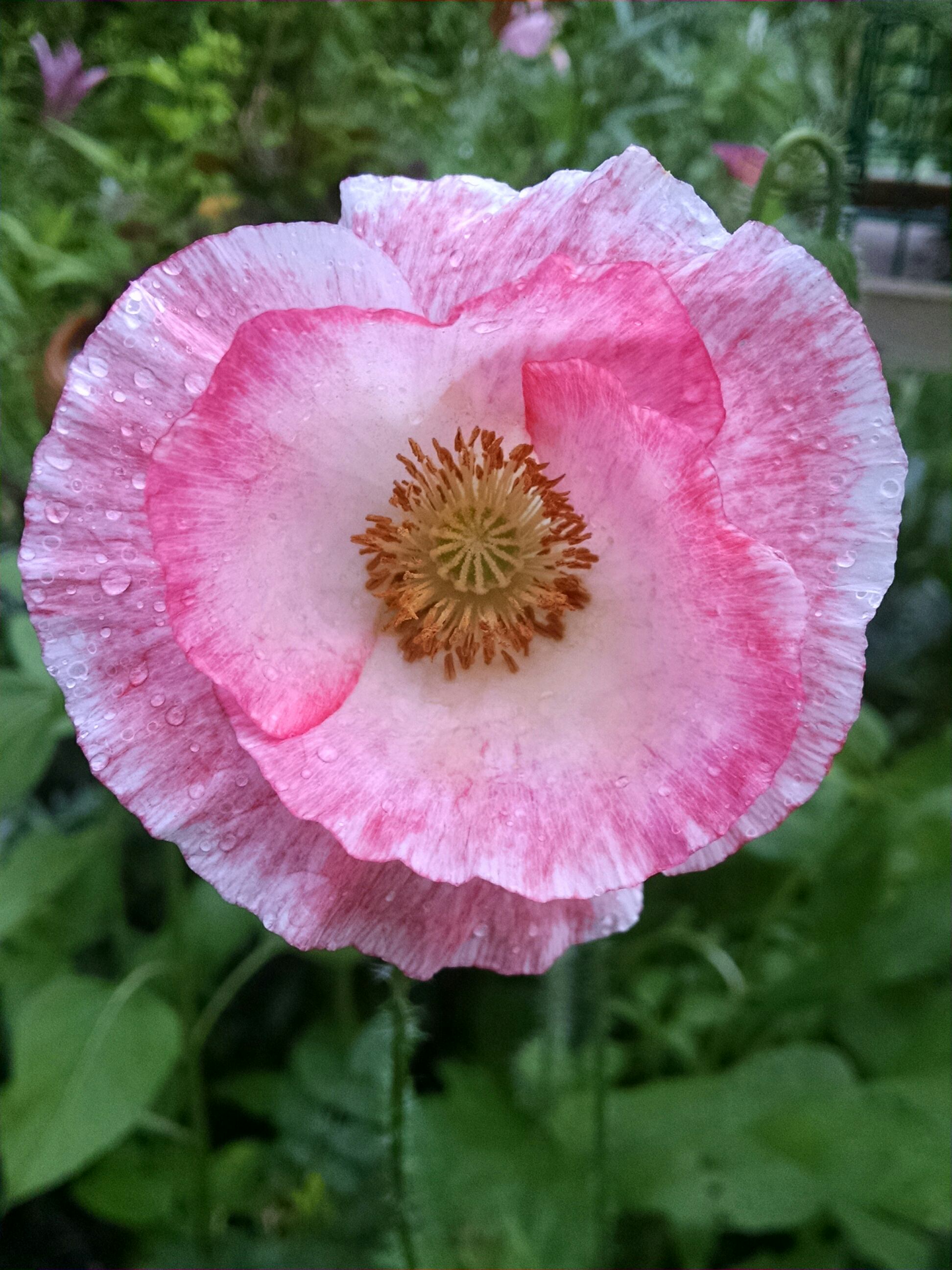
If you have been hearing a loud “WHOOT WHOOT!” in the atmosphere lately it is probably me because I HAVE POPPIES!!! ( or shoud l I say “poppy”)
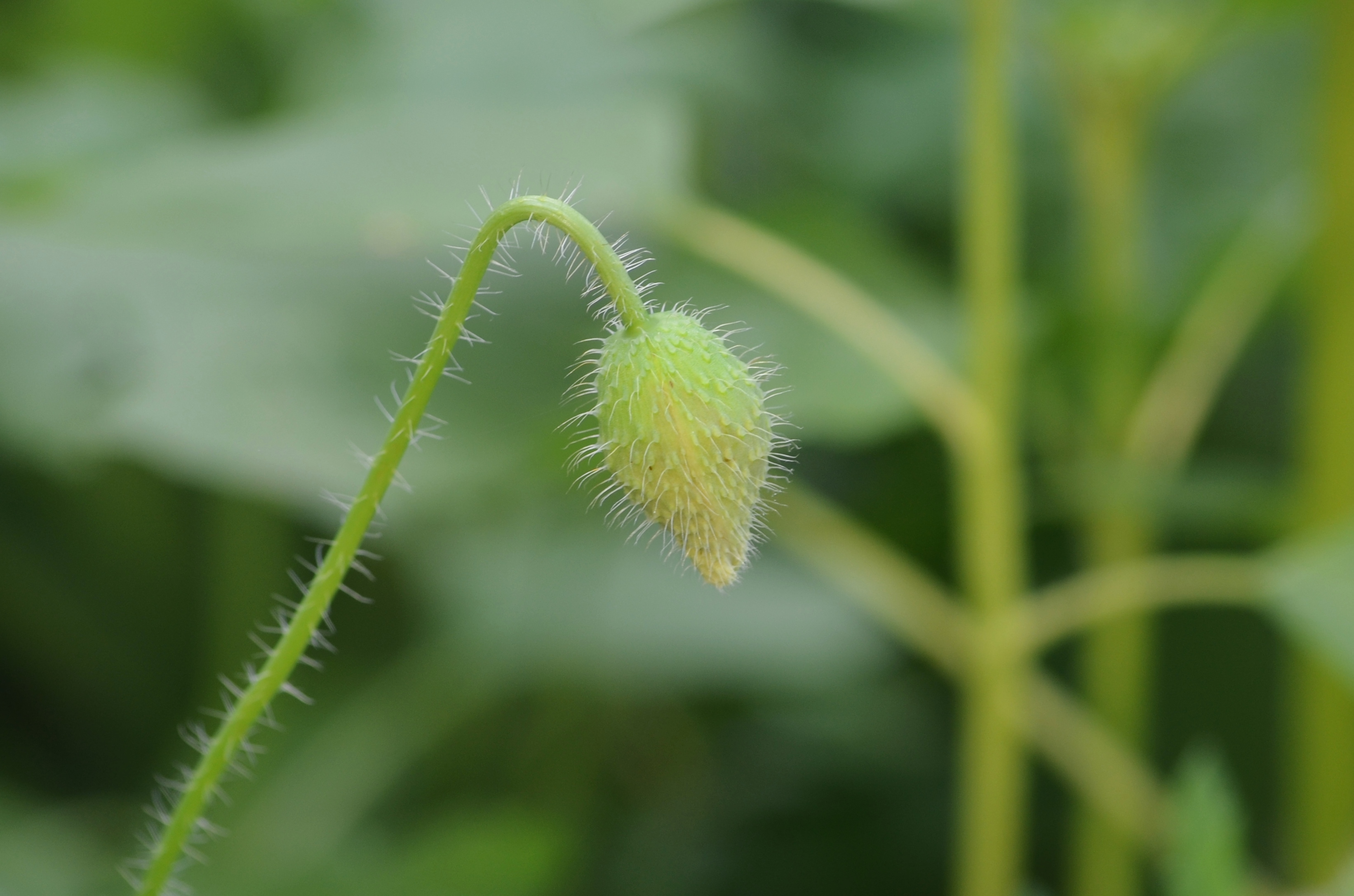
After the lupines I figured it was just too much to ask the gardening gods to let me have a poppy or two, so even though I scattered seed AND started a flat that I planted out in spring I held out no hope to see any of them make it to blooming stage. One year they actually got big enough to tease me with all their dangly fuzzy buds, but just like every other time those were quickly eaten off by the rabbits .
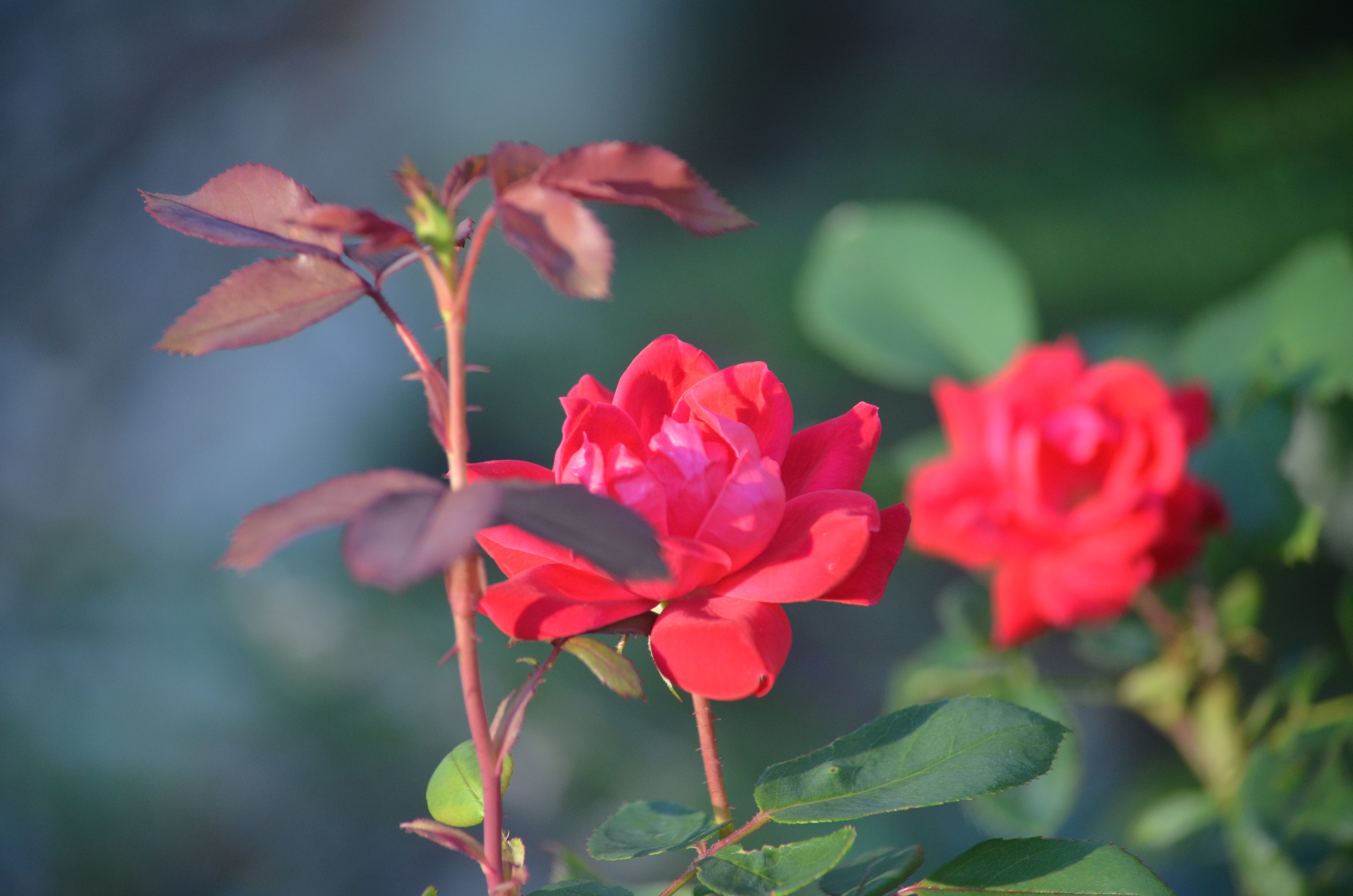
With plants that cost $$$ I am always willing to go the extra mile to protect them if necessary, but with anything from seed I sow and pray and hope maybe one day to have success.
Well, that day is now, and I refuse to complain that only one single solitary plant made it because one is enough to see plenty of flowers and to also ensure i have some seed for next year.

The poppy that made it is unfortunately of unknown name. Erin and I went on a garden tour in Maine last year for the Garden Conservancy fundraiser and at one of the sign in tables the owners were handing out poppy seed heads. We managed to spill many all over the car on our way home and then again I spilled them all over the couch when I was seed organizing, but thankfully there are a million in each pod so I still had plenty to sow. They are just delightful and I am beyond thrilled to have them whoever they are.
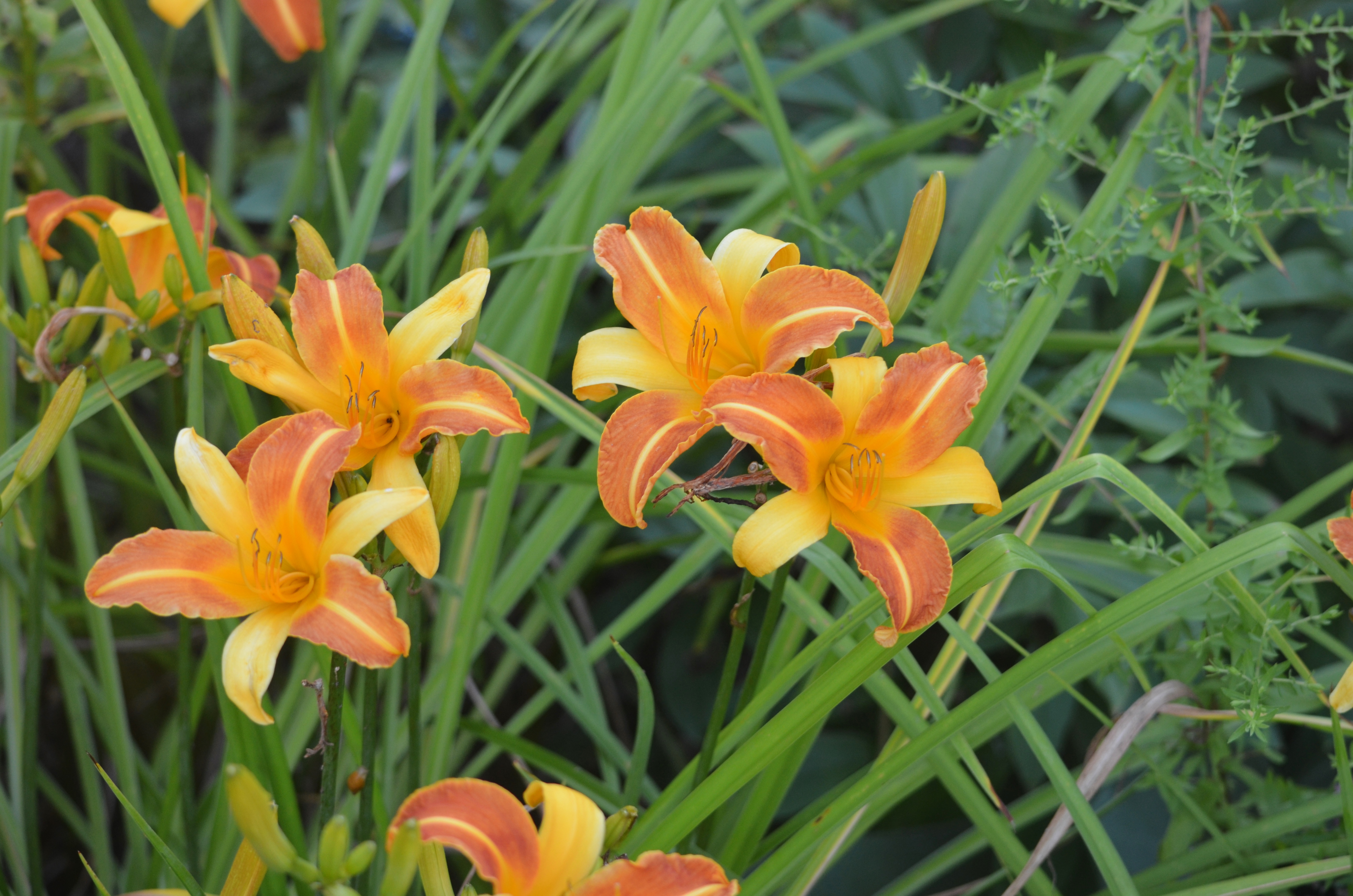
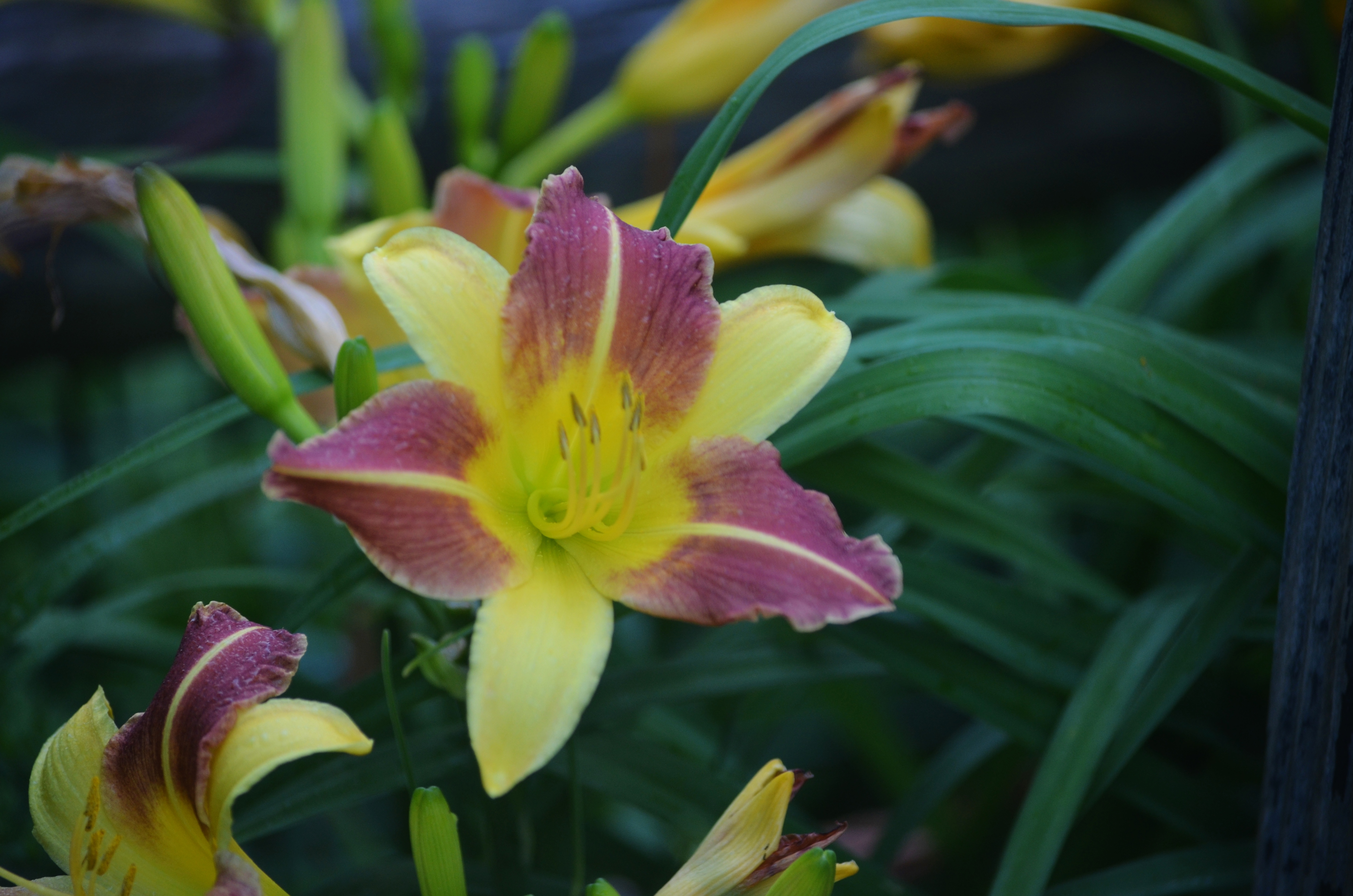
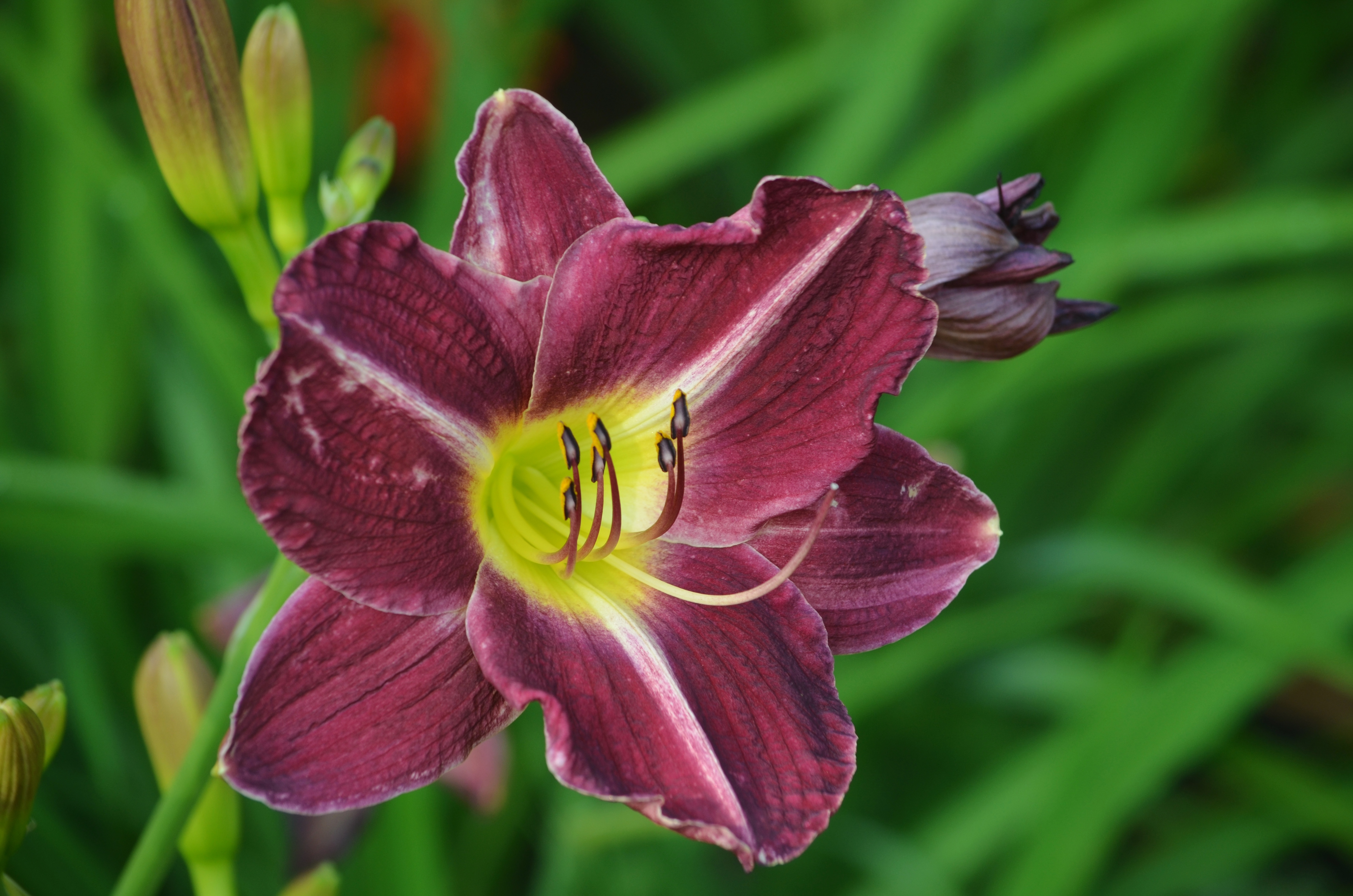
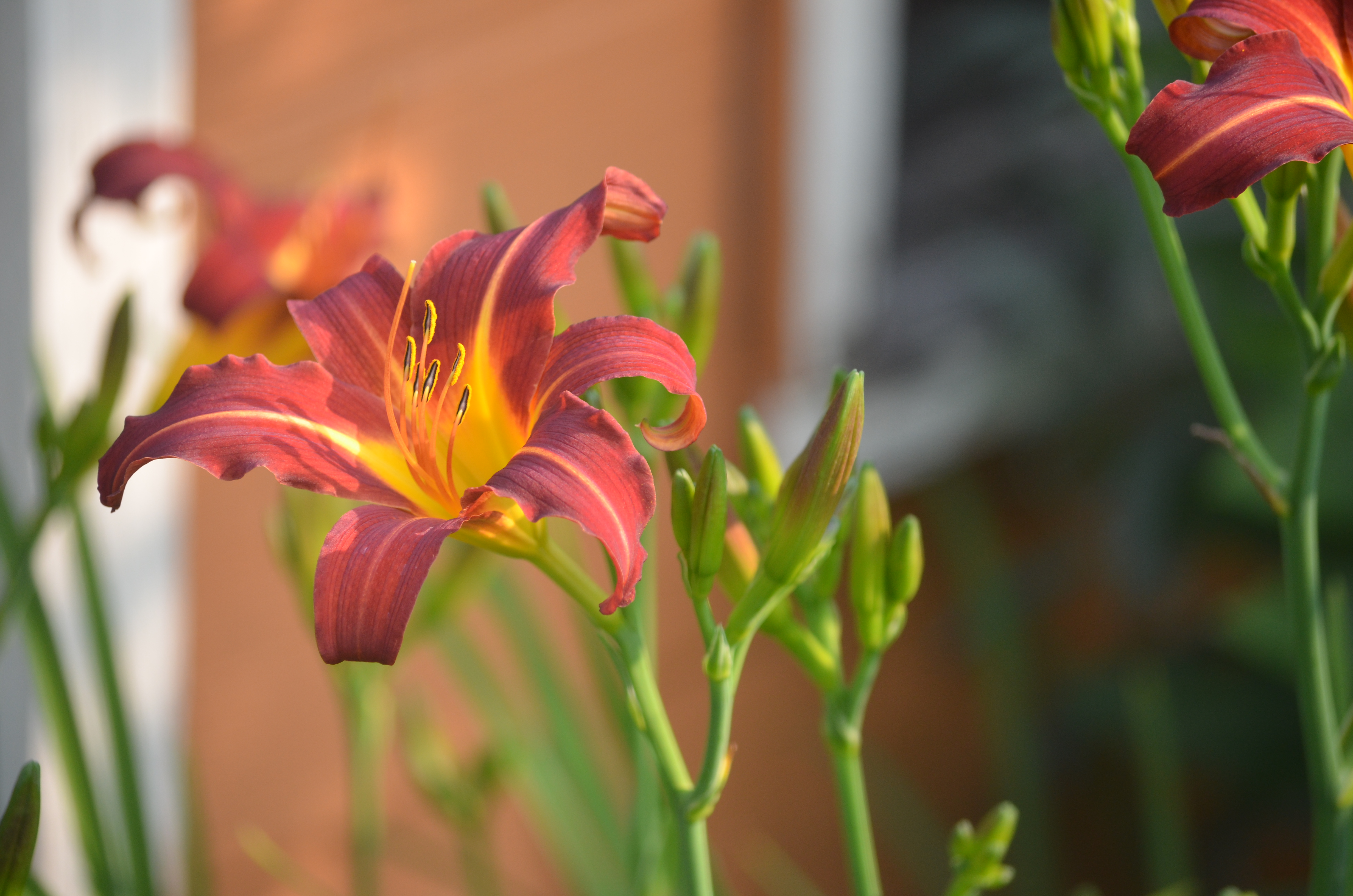
Another first is a day lily cross that I had absolutely nothing to do with. It is dreadfully ugly. I guess I have reached the magic number of gardening years after which things start willy nilly procreating without my attention. Good for me.
The next first , and one that is just plain gross, is the first ever sighting here of a mole.
Last week Wil called out to me from the garage in that very special tone he uses that lets me know something is wrong/scary/broken or hurt and when I came to rescue him from the big bad whatever, he informed me that a large rodent had made it’s way into the garage and I needed to locate and evict it. From his description I was expecting a capyberra or another R.O.U.S , but alas I could not find it and then sort of forgot about it…….that is until I went out near the pool two days ago and saw what had once been a mole floating dead in the water. It was pretty small for what I was expecting , but really, those things are disgusting. The next day another had joined it’s sibling in the great mole hill beyond the sky, and it was then that it dawned on me that what Wil saw in the garage was probably the mama. I inquired about the R.O.U.S. and was told that yes, it may have been smaller than described, and yes it was moving slowly ( it appears the size and scary frantic activity related to me originally may have been embellished).
Mama mole is clearly not doing a good job in the mothering department. A suburban garage is not good mole raising habitat and especially not when it is adjacent to a very large chlorinated body of water. I have been searching around for tunnels but so far nada.
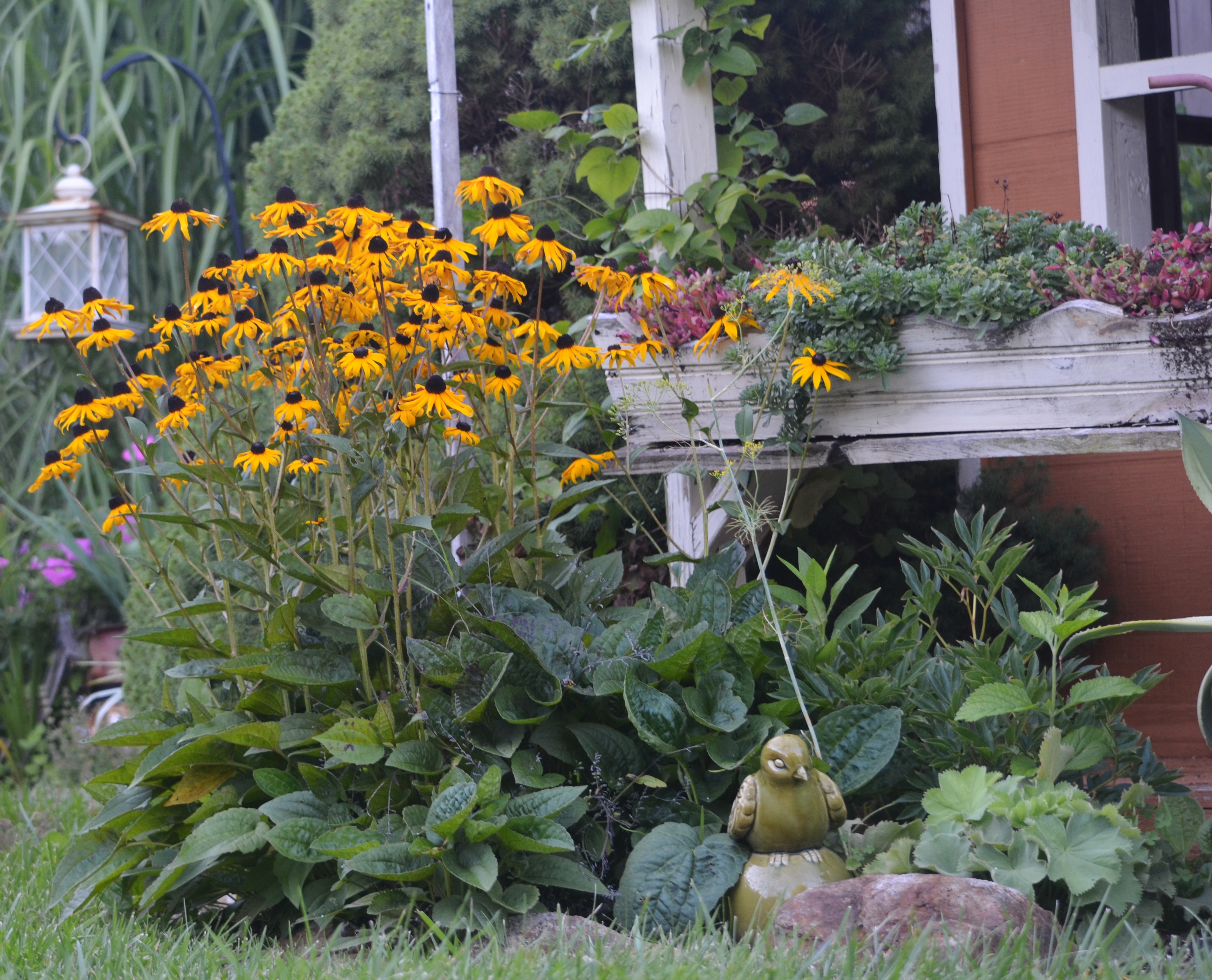
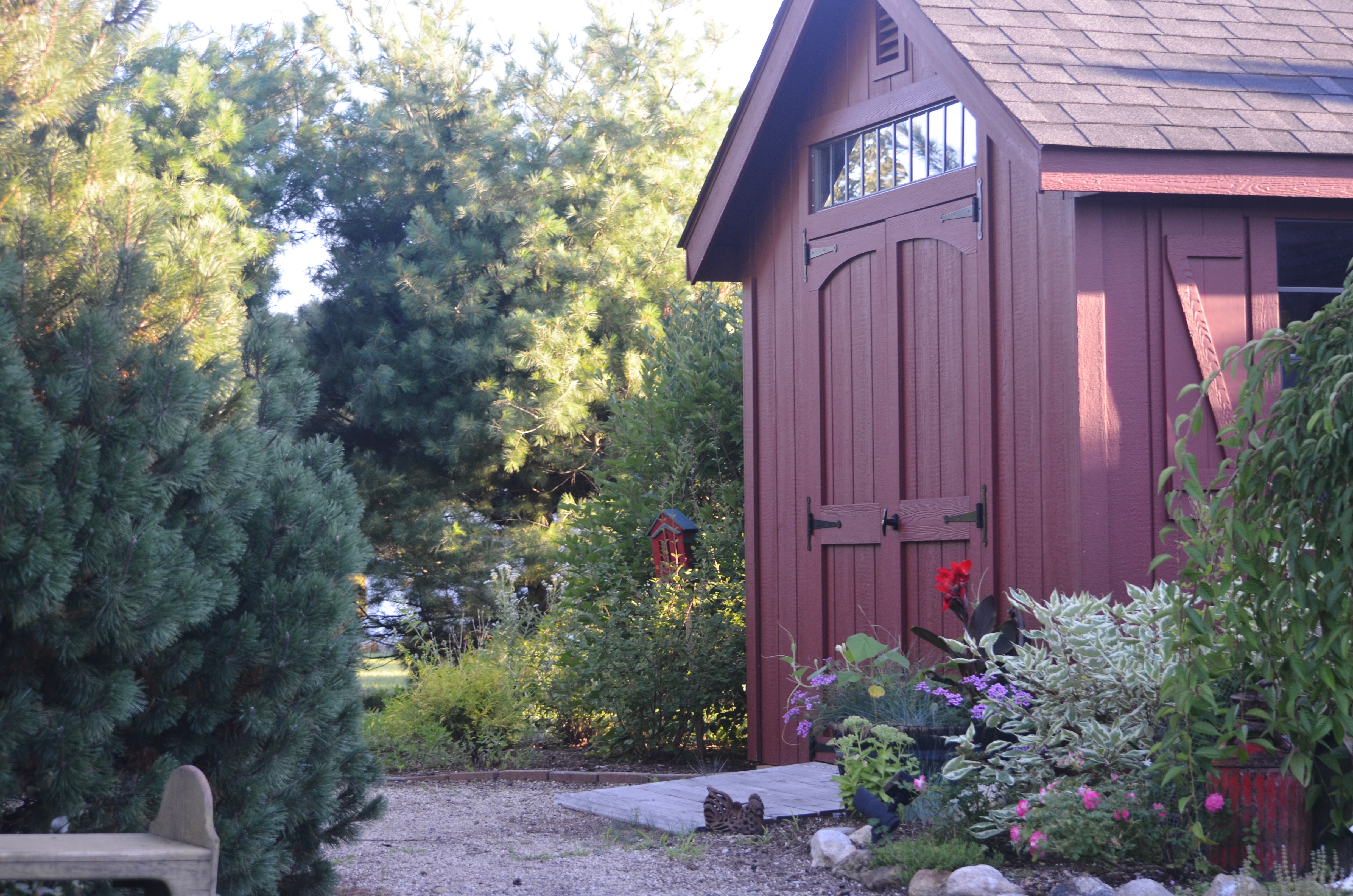
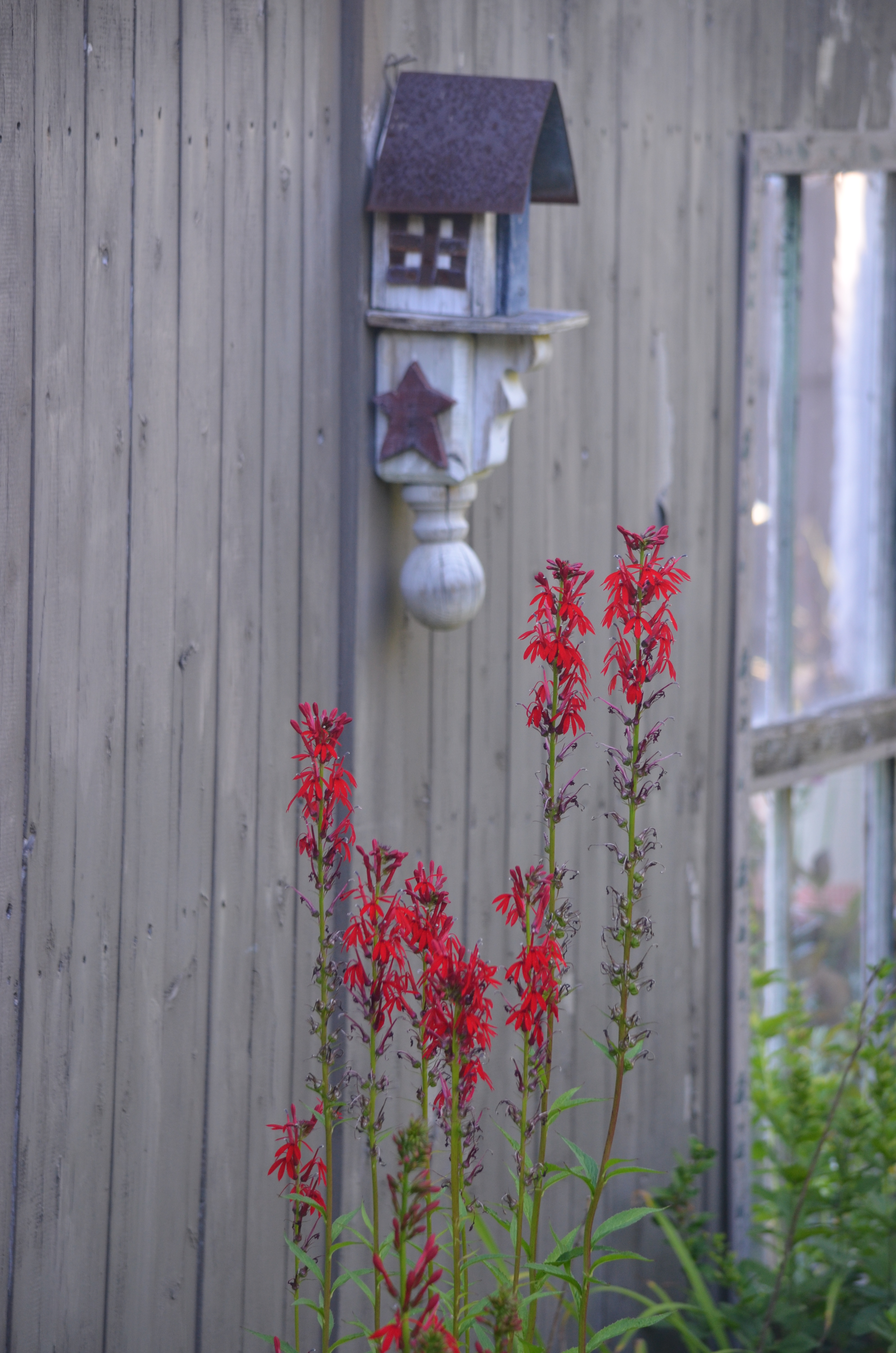
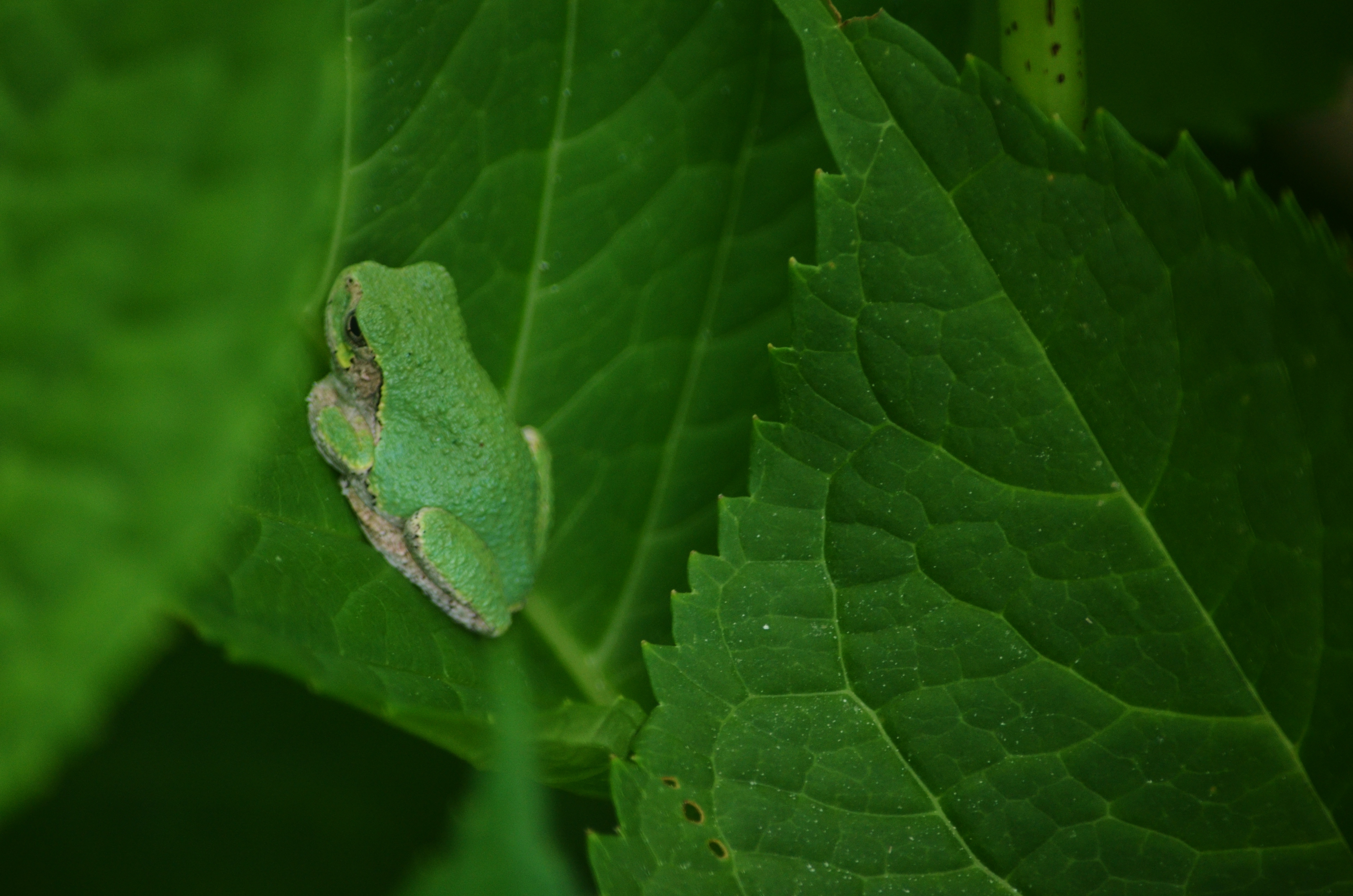
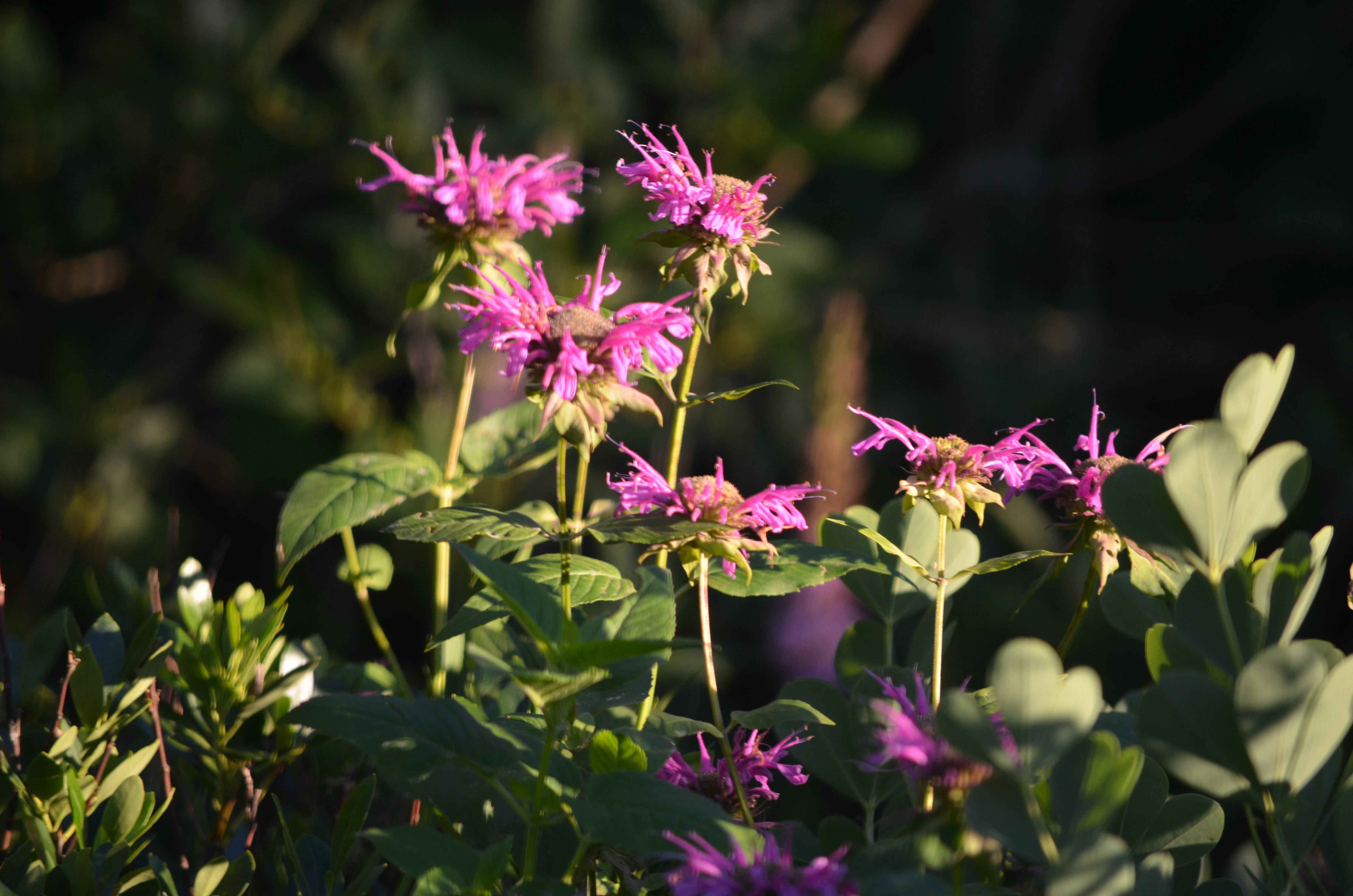
We also have our first capture of the green tree frog, a pond dweller, yet happily hanging here in the hydrangea,
It is curious to me when a new critter arrives and I can’t help but wonder how in heaven’s name they found their way here. We have had those yucky yellow spotted salamanders even though they would most certainly dehydrate before they got to the nearest vernal pond . We have had foxes, of course rabbits, evil reptiles that shall remain unnamed, and every bug and bird known to exist in MA. We now have a pair of hawks that circle overhead hunting which is a little disconcerting for corgi dog owners…word to the hawks, I keep them well fed and thus they are too fat for you to fly off with…take note. I am patiently waiting for a bear and of all the things that have shown up here for a snack I am bewildered by the fact that a bear is not among them.Although my development abuts state forest and conservation land on all sides and there are year round bird feeders everywhere, the only bears seen in town are in the more populated areas that have smaller woods close by. Curious.
As for the rest of the visitors, I wonder who is sending out the message that this former desolate sand pit is now a dream vacation land with a 24 hour buffet? Really, it needs to stop.
What follows are just some random photos of the garden taken in the past few days, a little eye candy if you will. Enjoy your week!

gardening by the calendar
The garden chores get accomplished around here usually when I have time. I find it hard to follow any kind of schedule . Much as I love phenology and enamored as I am with the romantic notions of gardening by the moon phases, most of the time it’s catch as can and stuff gets planted way too late or pruned according to my schedule as opposed to the plants best interest. But, Independence Day, celelbrated as it is on July 4, means two things always and always.
First, it is the last safe day here to cut back late summer and fall bloomers to either delay bloom, decrease the height of a tall variety, or enforce bushiness as opposed to legginess. July 5 ( and later) is a no-go for pruning anything you want to bloom late in the season, there just won’t be enough time for it to recover.
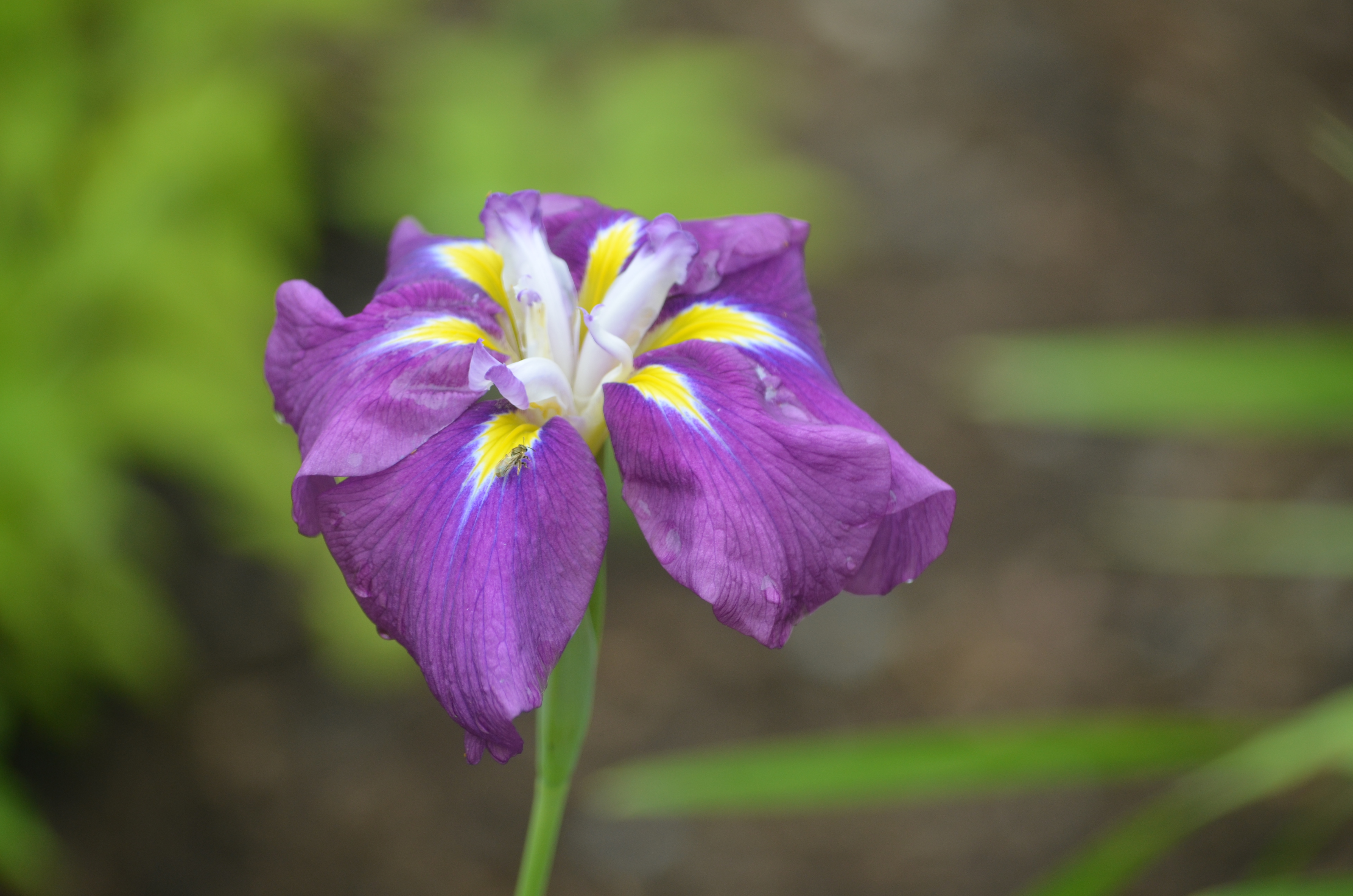
Second, like clockwork, July 4 is when the iris ensata will start blooming. Why? I have no earthly idea why they are so prompt. I could probably investigate , but sometimes it is best to just enjoy the mystery of it all. 🙂

American Flowers Week #2 and 3
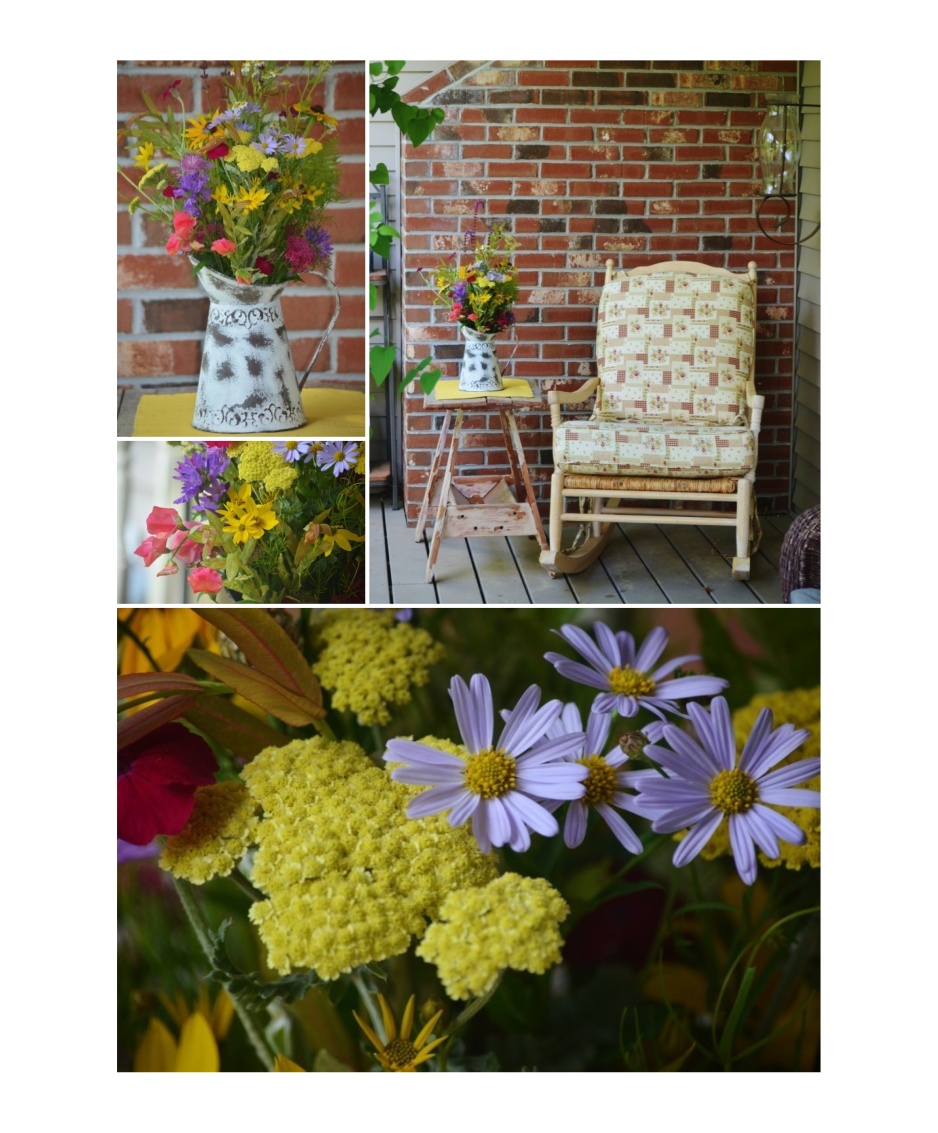
Tuesday I went with a wildflower look gathering as many smaller and less refined flowers as I could jam in the pitcher including yarrow, indian aster, coreopsis, salvia, rose campion, feverfew, spirea and the first of the sweet peas to put on the porch.
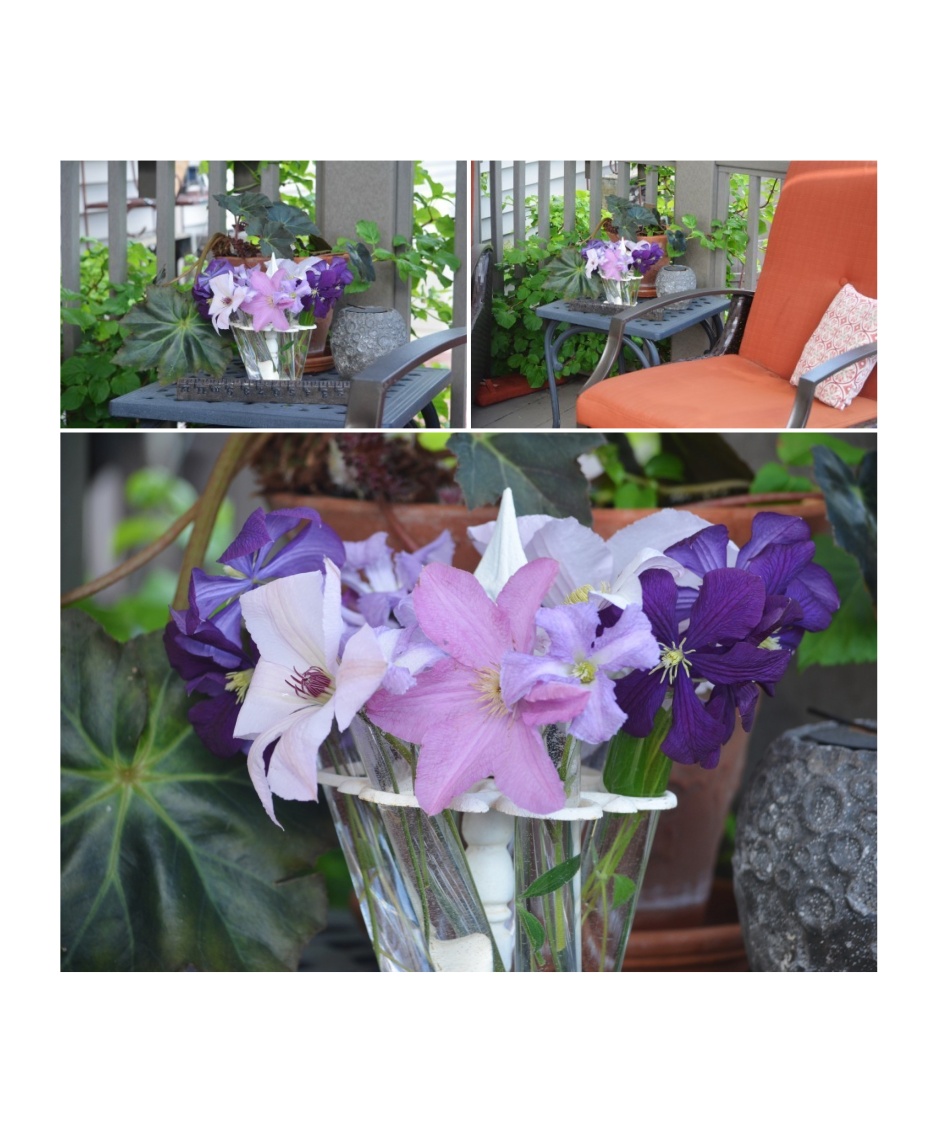
Today it is clematis Betty Corning, Etoille Violette, Pope John Paul, and Comtesse de Bouchard in a little container of test tube vases set on the deck.
american flowers week
This is week 25 of the Slow Flowers Challenge, and it has also been declared
“American Flowers Week” by those in the slow flowers movement. As such, it is time to celebrate growing our own or using locally source flowers in our homes and for our events . There is such a wealth of choices when planning a garden you can use for cutting and I am overjoyed every time I walk outside ,clippers in hand, to make something beautiful. To celebrate I will be filling a vase a day and hopefully posting them all here ( and on pinterest and instagram) although the rest of the posts will be wordless, just photos with descriptions.
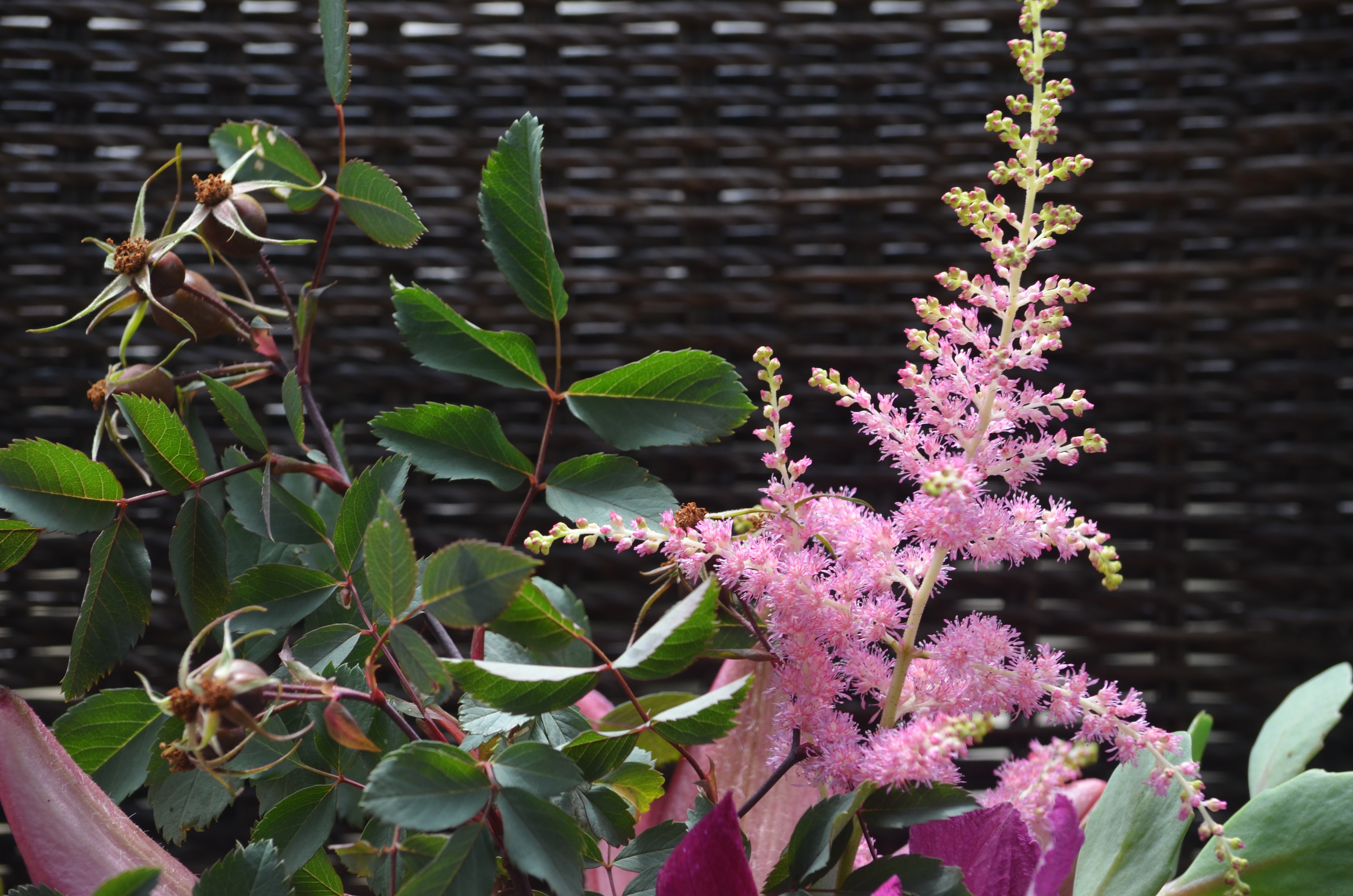
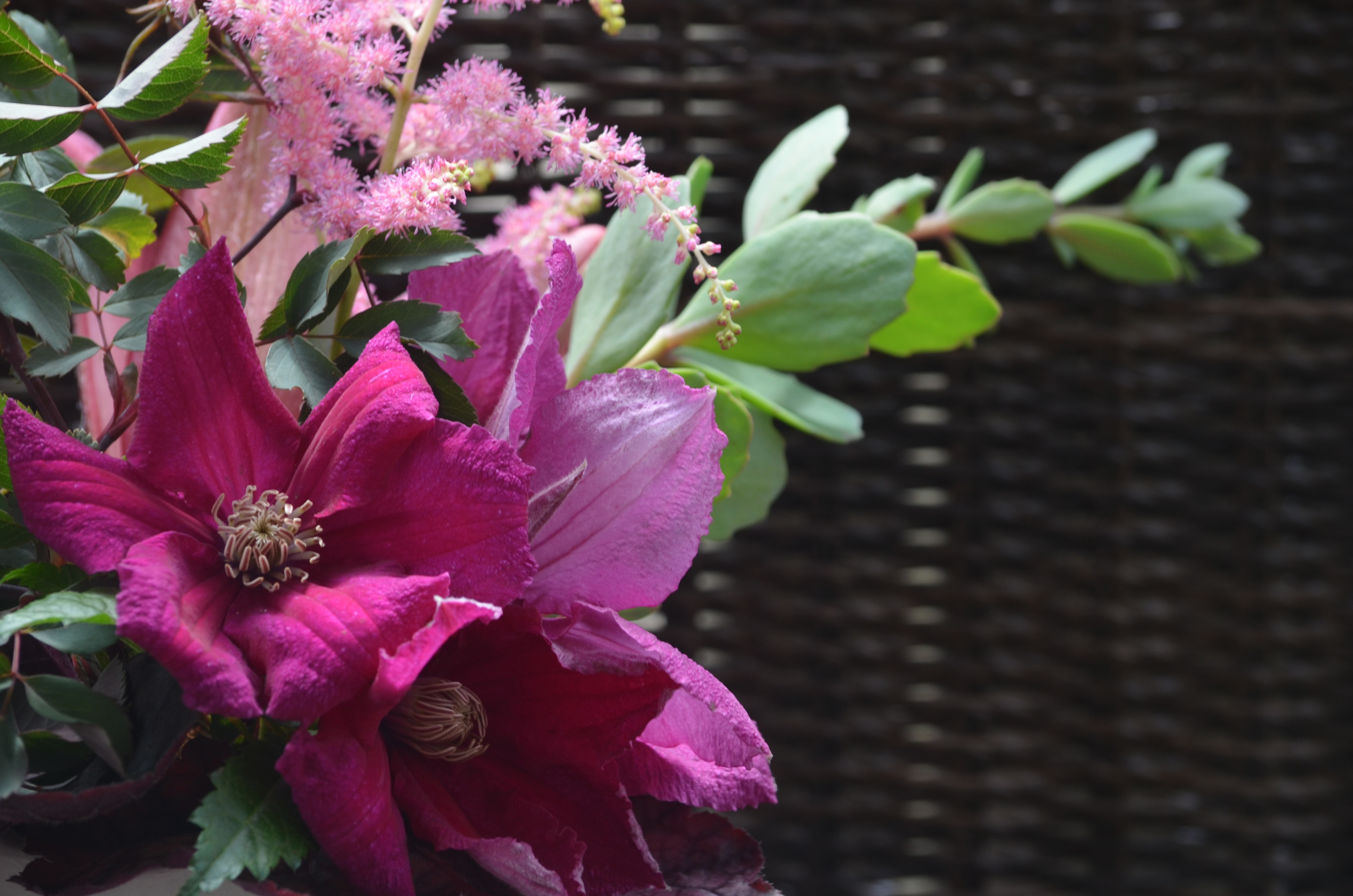
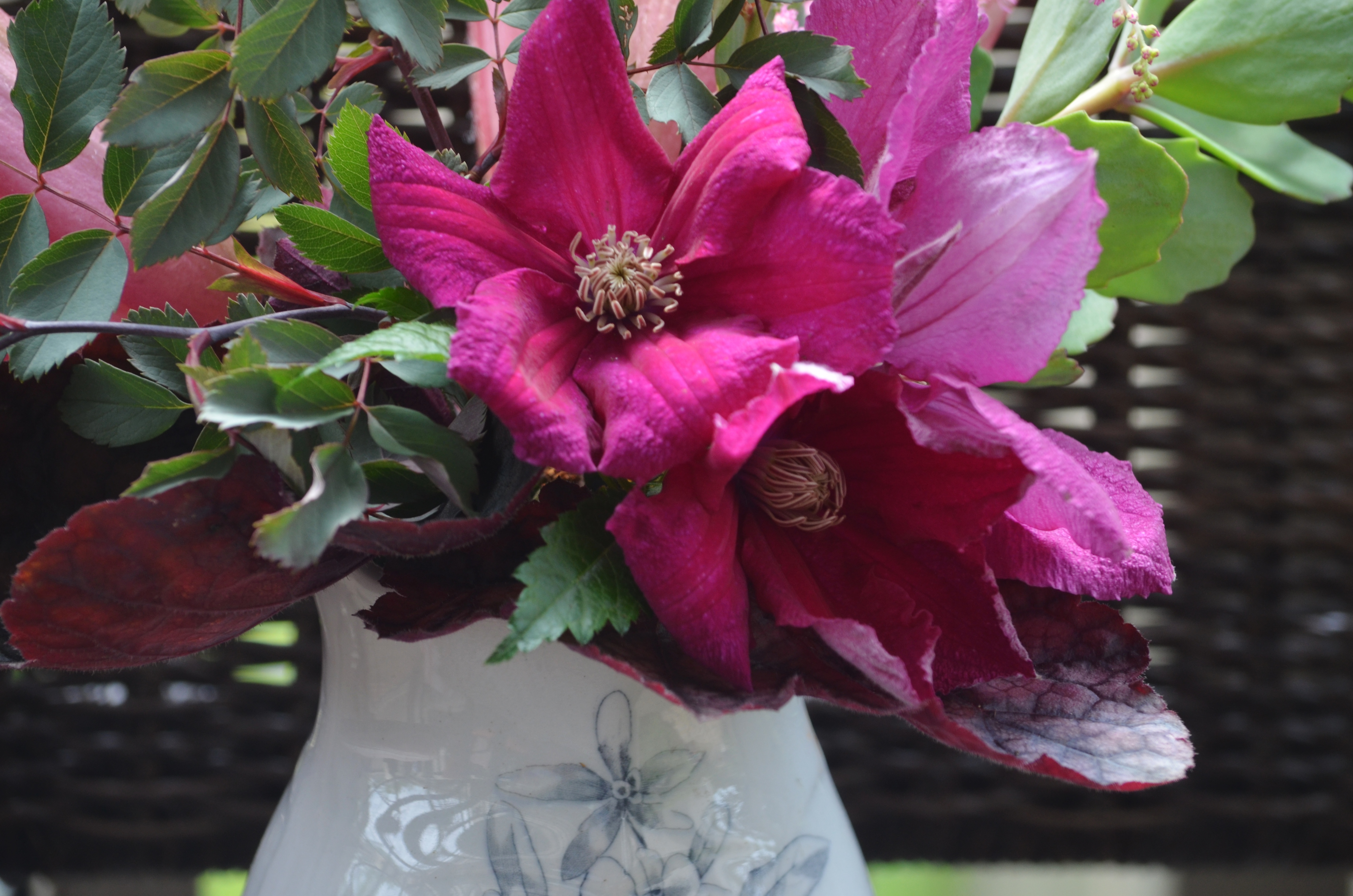
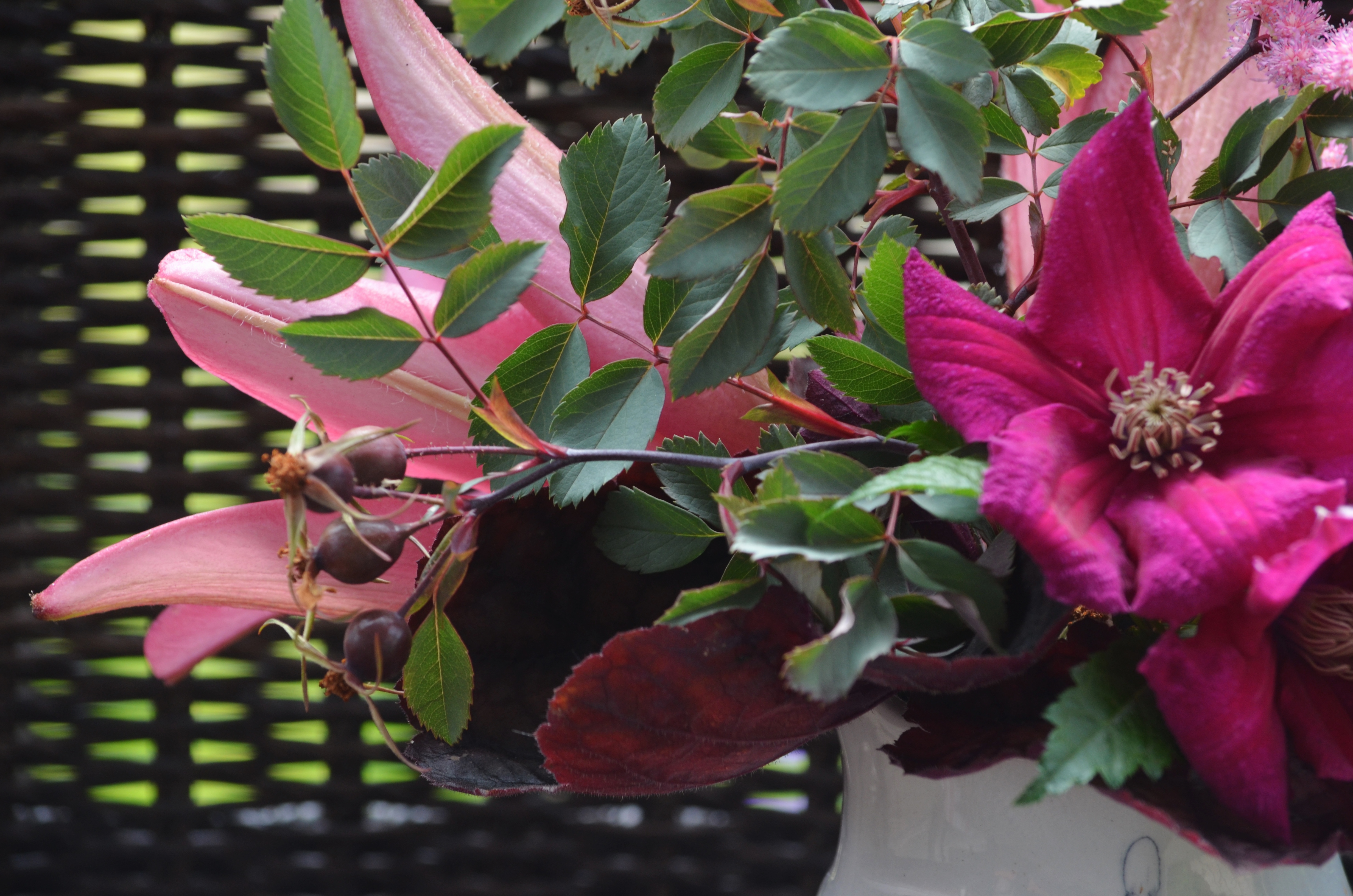
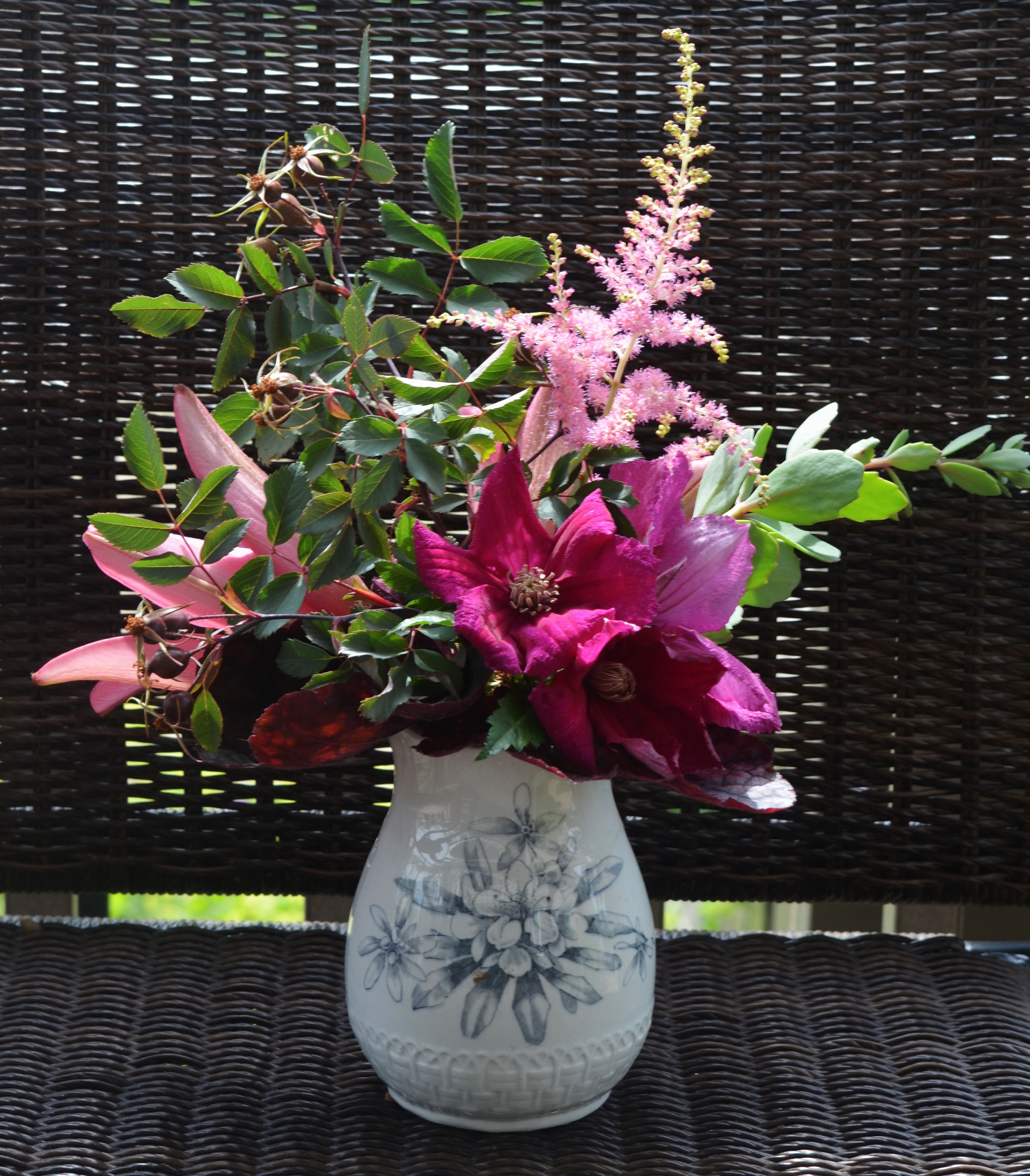
Today is my favorite little English china vase filled with sedum ‘October Daphne’, rosa glauca foliage and hips , clematis’Ernest Markham’, as astillbe plume, and heuchera’ Magnum’ . In the back are two ‘Dolly
Madison’ lilies you can’t see well . The astillbe will last only for a few days, but the clematis should last a week or more, as will all of the foliar elements. If any of you are celebrating with me, please link back or add a link to your photos on any social media so I can check them out!